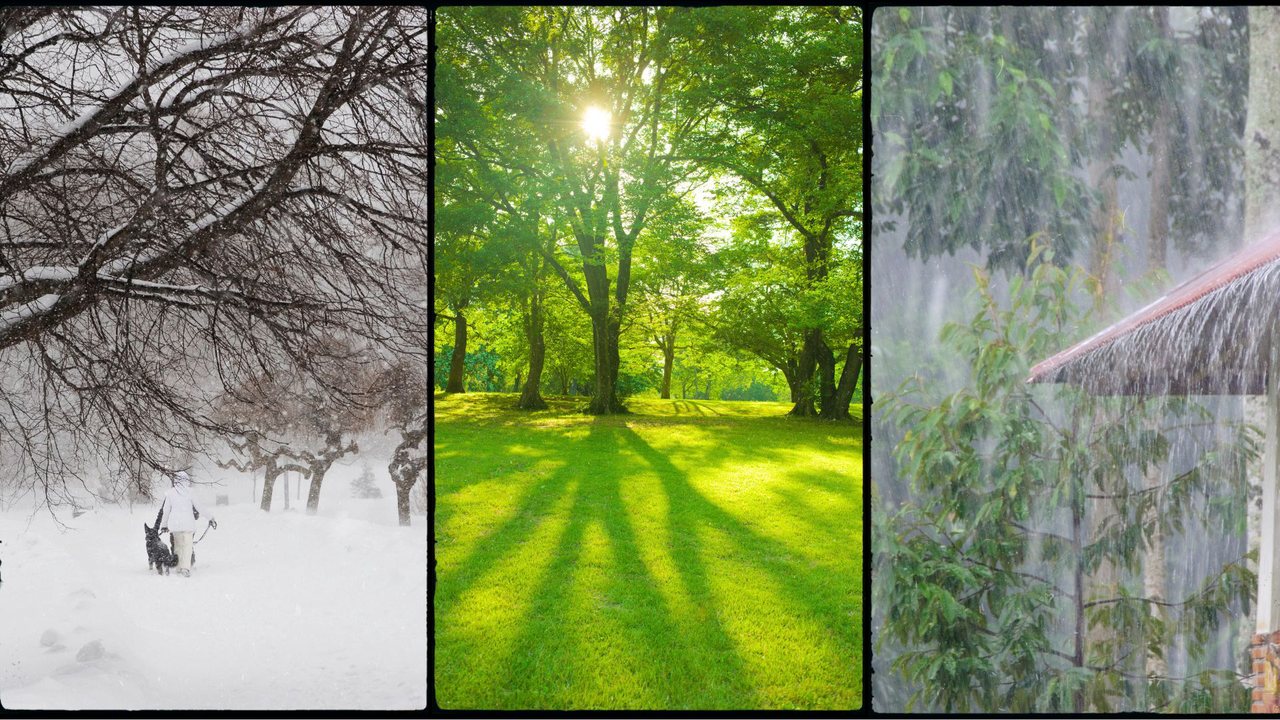
When winter arrives, your lawn enters one of the toughest periods of the year. Cold winds, frost, and heavy snow can easily damage delicate grass blades and roots. While it might seem like lawn care ends when temperatures drop, lawn maintenance in winter is essential for ensuring your grass survives dormancy and bounces back healthy in spring.
In this detailed guide, we’ll walk you through smart winter lawn care strategies, from pre-winter preparation to snow management, fertilization, and frost protection all designed to help your lawn stay resilient during the coldest months.
Table of Contents:
Understanding How Winter Affects Your Lawn
Winter doesn’t kill grass, but it forces it into dormancy a survival state that reduces growth and energy use. However, harsh winter elements can still cause lasting damage if you don’t prepare properly for winter lawn care.
-
Frost and Freeze Damage
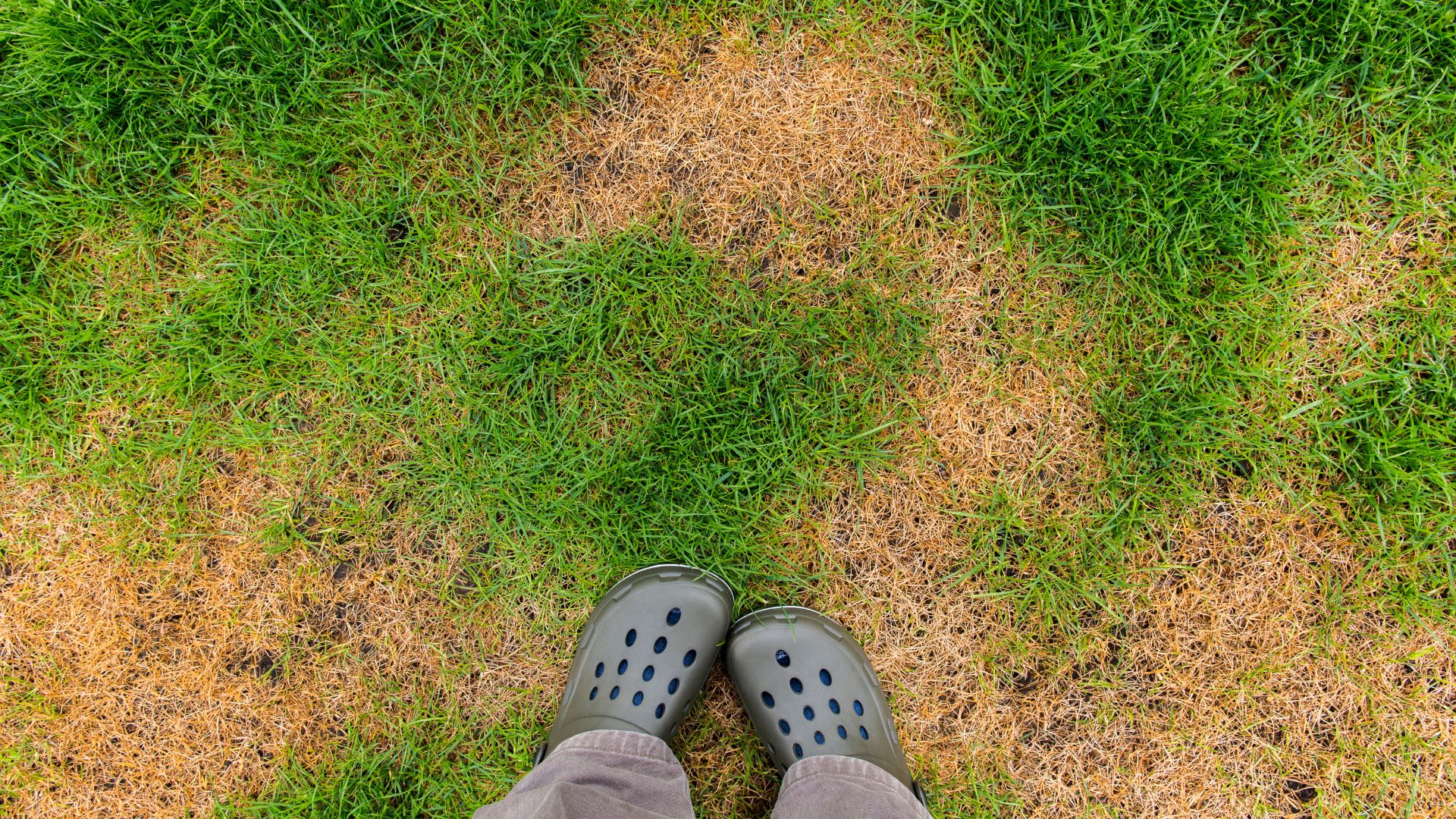
Repeated freezing and thawing can make grass blades brittle and roots unstable. Frost also causes discoloration and creates dead patches if foot traffic continues over frozen turf.
Proper Watering Techniques
-
Water early in the morning or late in the evening to reduce evaporation.
-
Deep watering (1-2 inches per session) encourages strong root growth.
-
Avoid frequent, shallow watering, which weakens the grass.
-
Avoid water when the sun is at its peak.
Best Grass Types for Heat Resistance
Consider drought-tolerant grass types like Bermuda, Buffalo, and Zoysia, which require less water and withstand high temperatures better.
Using Mulch to Retain Moisture
Besides picking heat-resistant grass, try using mulch to protect your lawn during extreme weather. Mulch is an easy and effective way to keep soil moist, especially in hot, dry spells. Spread a 2-4 inch layer of organic mulch like wood chips, straw, or grass clippings, to cut down evaporation, keep soil cool, and stop erosion during rain or drought.
It also keeps weeds in check, feeds the soil as it breaks down, and saves you from watering so often. To get the most out of it, pair mulching with smart watering habits to keep your lawn healthy all year, making it a key part of seasonal care.
Mowing Strategies for Summer
-
Keep grass slightly taller (about 3-4 inches) to provide shade for the soil.
-
Avoid cutting more than one-third of the blade length at once.
-
Mow in alternating patterns (like horizontal, vertical, or diagonal) to prevent soil compaction and avoid creating ruts in your lawn.
Lawn Care During Heavy Rain and Flooding
.jpg?w=1920&h=1080)
Preventing Soil Erosion
Planting ground covers or using erosion control mats can prevent soil displacement.
Improving Drainage Systems
-
Install aeration holes to facilitate water absorption.
-
Ensure proper grading to direct excess water away from the lawn.
Addressing Fungal Growth and Diseases
Use fungicides and aerate compacted soil to prevent root rot and mold.
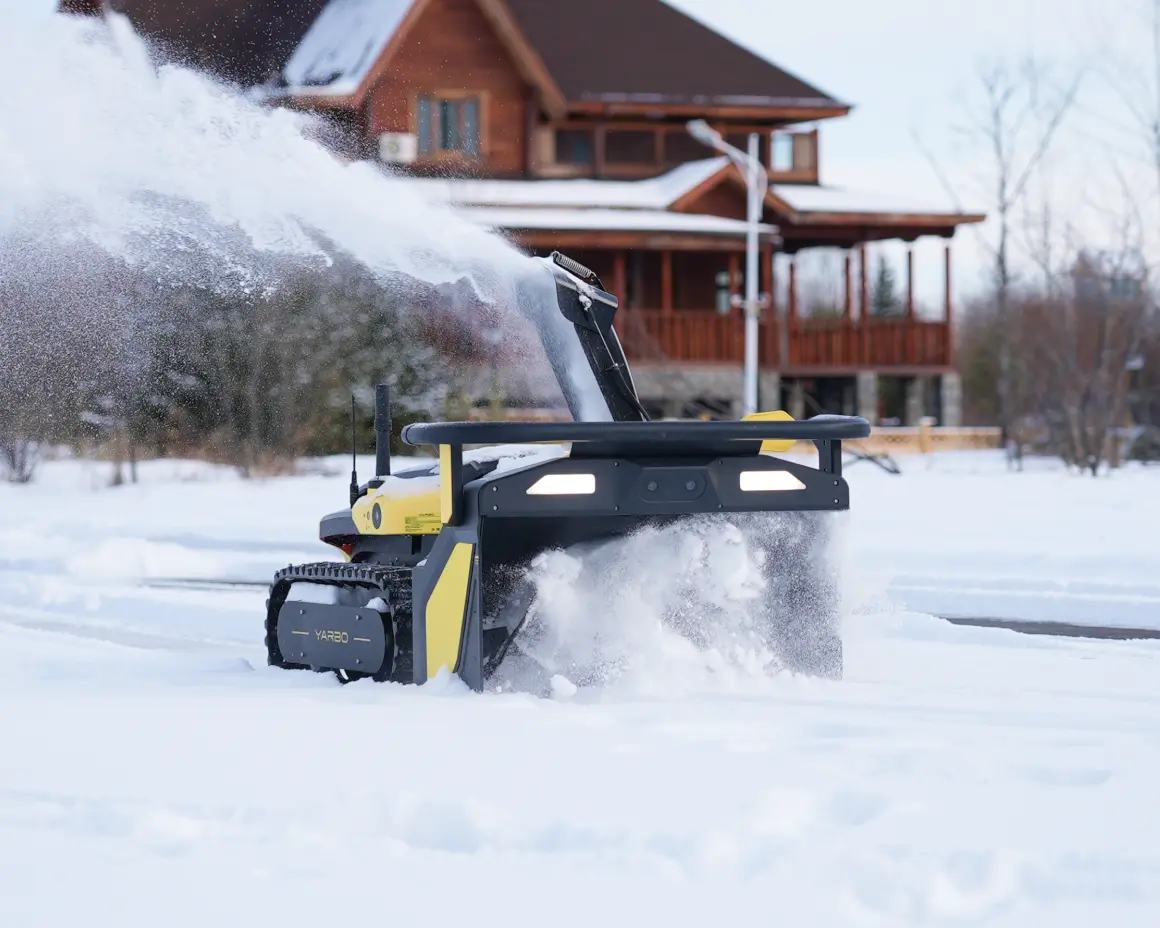
Lawn Care During Freezing Temperatures and Snow
-0.png?w=1280&h=720)
Protecting Grass from Frost Damage
Avoid applying nitrogen-based fertilizers late in the fall, as they encourage growth that’s vulnerable to frost damage. Choose a fertilizer high in potassium (e.g., 24-4-12 NPK ratio) to improve cold and drought resistance
Avoiding Foot Traffic on Frozen Lawns
Walking on frozen grass can break delicate blades and compact the soil, leading to long-term damage.
Proper Snow Removal Techniques
-
Use a lightweight shovel to prevent turf damage.
-
Avoid using chemical-based deicers near your lawn.
Choosing Weather-Resistant Grass Varieties
Grass types like Fescue and Kentucky Bluegrass thrive in cold climates, while Bermuda and Zoysia excel in warmer regions.
Fertilization Strategies for Extreme Weather
Best Fertilizers for Heat vs. Cold Conditions
-
Summer: Low-nitrogen, high-potassium fertilizers to boost root strength.
-
Winter: Slow-release fertilizers to support winter dormancy.
Timing Your Fertilization for Maximum Effect
Apply fertilizers in early spring and late fall for best absorption and growth support.
Pest and Weed Management in Harsh Climates
How Weather Affects Pests and Weeds
-
Hot and dry weather attracts lawn grubs and chinch bugs.
-
Wet conditions promote weed growth, such as crabgrass and moss.
Organic vs. Chemical Pest Control Methods
-
Neem oil and diatomaceous earth are effective organic options.
-
Use selective herbicides for targeted weed removal.
Seasonal Lawn Maintenance Checklist
Spring Preparation
-
Rake debris and aerate soil.
-
Apply pre-emergent herbicides.
Summer Care
-
Increase mowing height.
-
Water deeply but infrequently.
Fall Transition
-
Overseed thin areas.
-
Fertilize to prepare for winter.
Winter Protection
-
Avoid foot traffic.
-
Keep snow buildup minimal.
Conclusion
Extreme weather can be tough on lawns, but with the right strategies, your grass can stay healthy year-round. Adjusting watering, mowing, fertilizing, and drainage practices based on seasonal conditions will keep your lawn resilient. Be proactive, and your lawn will thank you with lush greenery no matter the weather.
FAQs
1. How often should I water my lawn during a heatwave?
Water deeply 2-3 times per week rather than daily, ensuring the soil gets at least 1-2 inches of water each session.
Water deeply 2-3 times per week rather than daily, ensuring the soil gets at least 1-2 inches of water each session.
2. What’s the best way to prevent lawn diseases in rainy seasons?
Improve drainage, avoid overwatering, and use fungicides as needed.
Improve drainage, avoid overwatering, and use fungicides as needed.
3. Can I mow my lawn during extreme cold?
It’s best to avoid mowing when temperatures are below freezing, as grass blades become brittle and prone to damage.
It’s best to avoid mowing when temperatures are below freezing, as grass blades become brittle and prone to damage.
4. What type of grass is best for drought-prone areas?
Drought-resistant varieties like Bermuda, Buffalo, and Zoysia are ideal choices.
Drought-resistant varieties like Bermuda, Buffalo, and Zoysia are ideal choices.
5. How do I protect my lawn from extreme frost?
Avoid foot traffic, use winter fertilizers, and ensure your lawn is properly aerated before winter.
Avoid foot traffic, use winter fertilizers, and ensure your lawn is properly aerated before winter.
-7.png?w=1001&h=621)
 Private group · 33.0K members