.png?w=1280&h=720)
If you live in a snowy region, learning how to use a snowblower properly can mean the difference between an aching back and a clear driveway.
Many homeowners dread heavy snow days, worrying about lifting a shovel or pushing a heavy machine for hours. Using a snowblower incorrectly can lead to injuries, wasted time, and frustration.
But here’s the good news: You can use a snowblower easily and safely, and even better, you can let a robot snowblower handle the job while you stay warm indoors.
Table of Contents:
How to Use a Snowblower Safely: Step-by-Step
Before you learn how to use a snowblower properly, take these essential preparation steps:
Check your snowblower:
-
Ensure fuel levels are adequate (fill up before heavy snow).
-
Check oil levels and top up if needed.
-
Inspect spark plugs for corrosion and replace if worn.
Clear obstacles: Remove branches, rocks, garden hoses, and cables from your clearing path to prevent jams or damage.
Mark driveway edges: Use brightly colored stakes or markers along driveway and walkway edges for better visibility, especially in heavy snowfall.
Preparing correctly prevents damage to your snowblower and ensures that when you use a snowblower, you do so safely and efficiently.
Step-by-Step Guide to Using a Snowblower
Here’s how to use a snowblower for the best results you can follwo the snowblower robot setup guide:
-
Start Early
Clear snow shortly after snowfall while it’s still light and fluffy to prevent compaction, which makes removal harder.
-
Position Yourself Correctly
Stand behind the handles with a firm grip, maintaining an upright posture with slightly bent knees to avoid back strain, especially during turns.
-
Adjust Chute Direction and Angle
Direct snow away from driveways, sidewalks, and neighboring properties. Adjust the chute to a 45°–60° angle for optimal throw distance depending on snow density and wind direction. A lower angle (45°) is better for heavy, wet snow, while a higher angle (60°) works well for light, fluffy snow.
-
Adapt for Snow Depth
-
For 3 inches of snow: Use normal speed with wider clearing paths.
-
For 6 inches of snow: Reduce speed, take narrower paths to prevent clogging.
-
For 12 inches of snow: Clear in layers, removing the top 6 inches first before clearing the remainder to reduce strain on your snowblower and prevent stalls.
-
Move in Straight Lines
Clear your driveway in straight lines, slightly overlapping each pass (by 2-3 inches) to ensure complete snow removal.
-
Take Breaks
Avoid fatigue and muscle strain by taking breaks every 15–20 minutes during heavy snow clearing sessions.
Using a snowblower safely in heavy snow with correct posture and patterns can prevent injuries and reduce snow-clearing time.
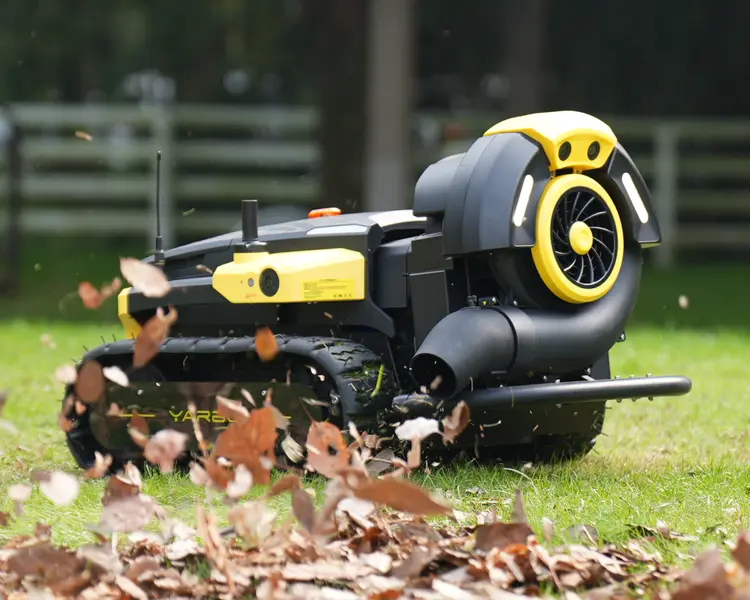
Even with the best methods, traditional snowblowers require alot physical effort. Switching from traditional to robot snowblower like Yarbo’s Snow Blower eliminates manual labor while maintaining effective snow removal.
What Are Robot Snowblowers?
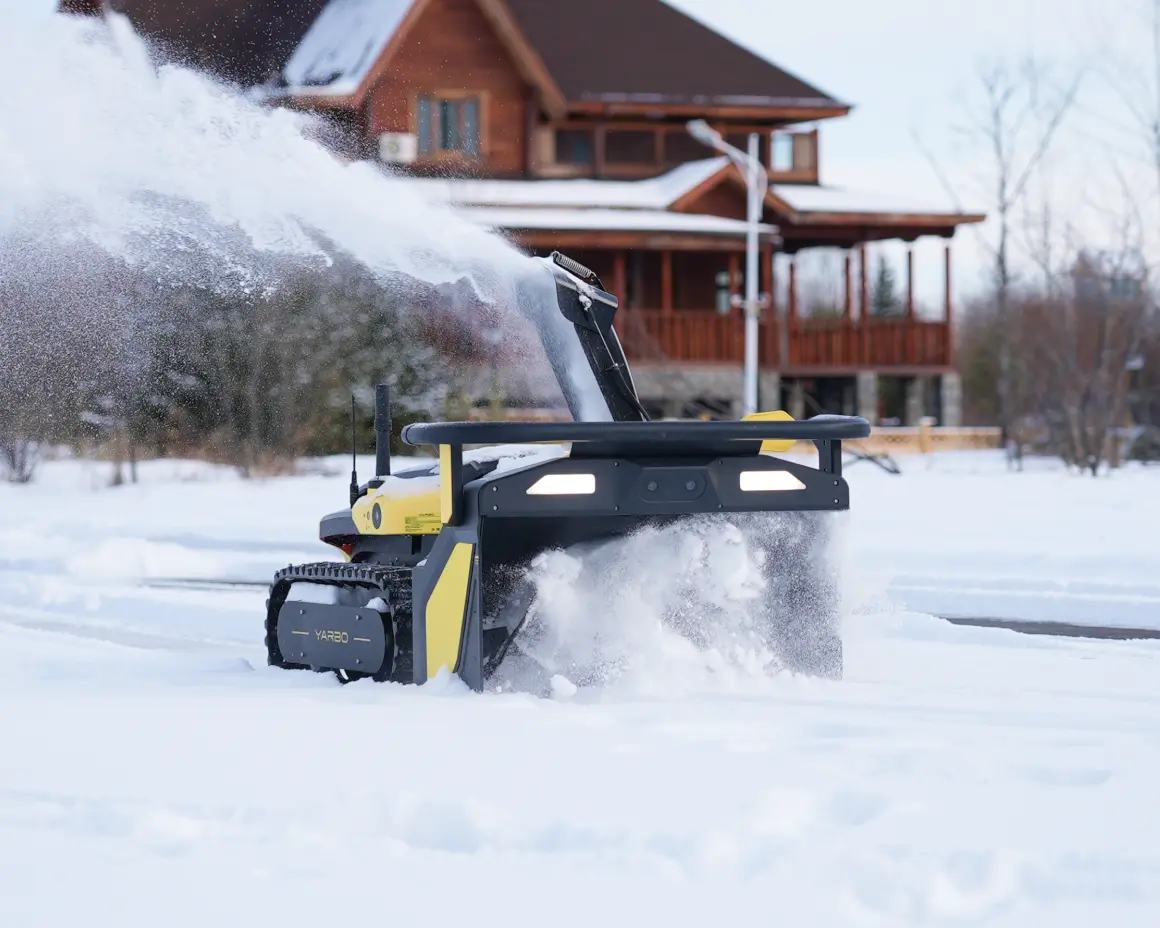
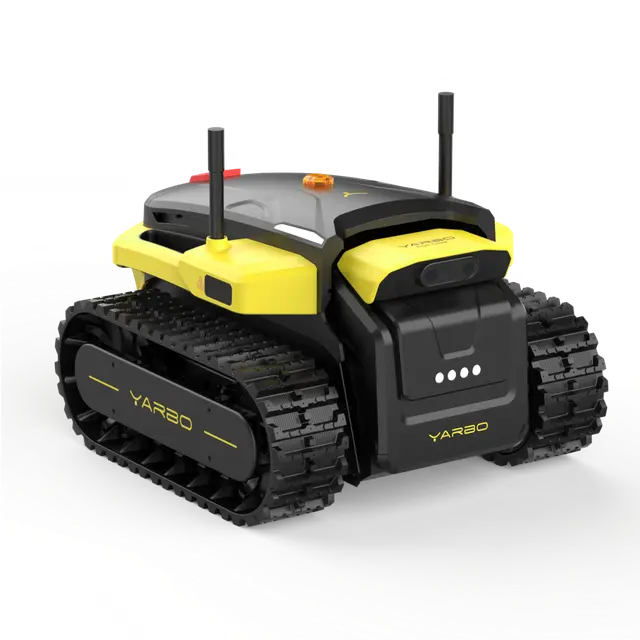
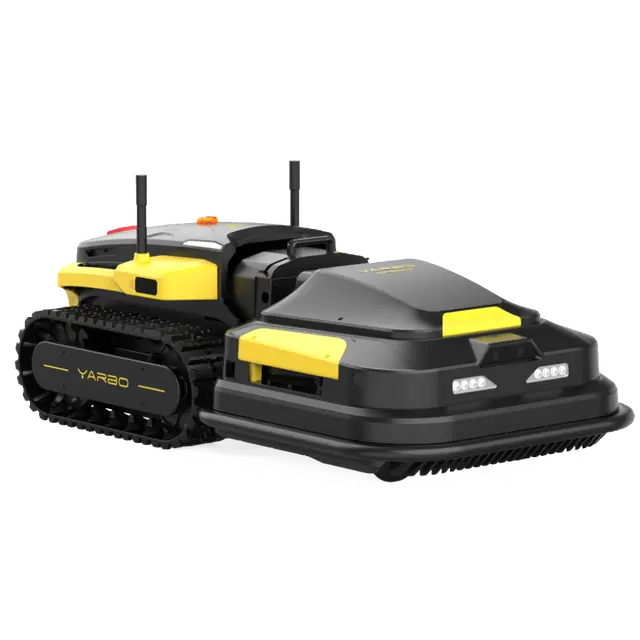
A robot snowblower is an autonomous machine designed to clear snow from your driveway and pathways without manual effort. Unlike traditional snowblowers that require you to push, steer, and monitor every move, robot snowblowers navigate, clear, and return to their charging stations automatically.
Using a robot snowblower simplifies winter snow removal, reduces the risk of slips and back injuries, and ensures your driveway is clear without you lifting a finger. There are many snowblowers available nowadays. You need to do some research based on your needs to find the best robot snowblower for beginners.
How Do Robot Snowblowers Work?
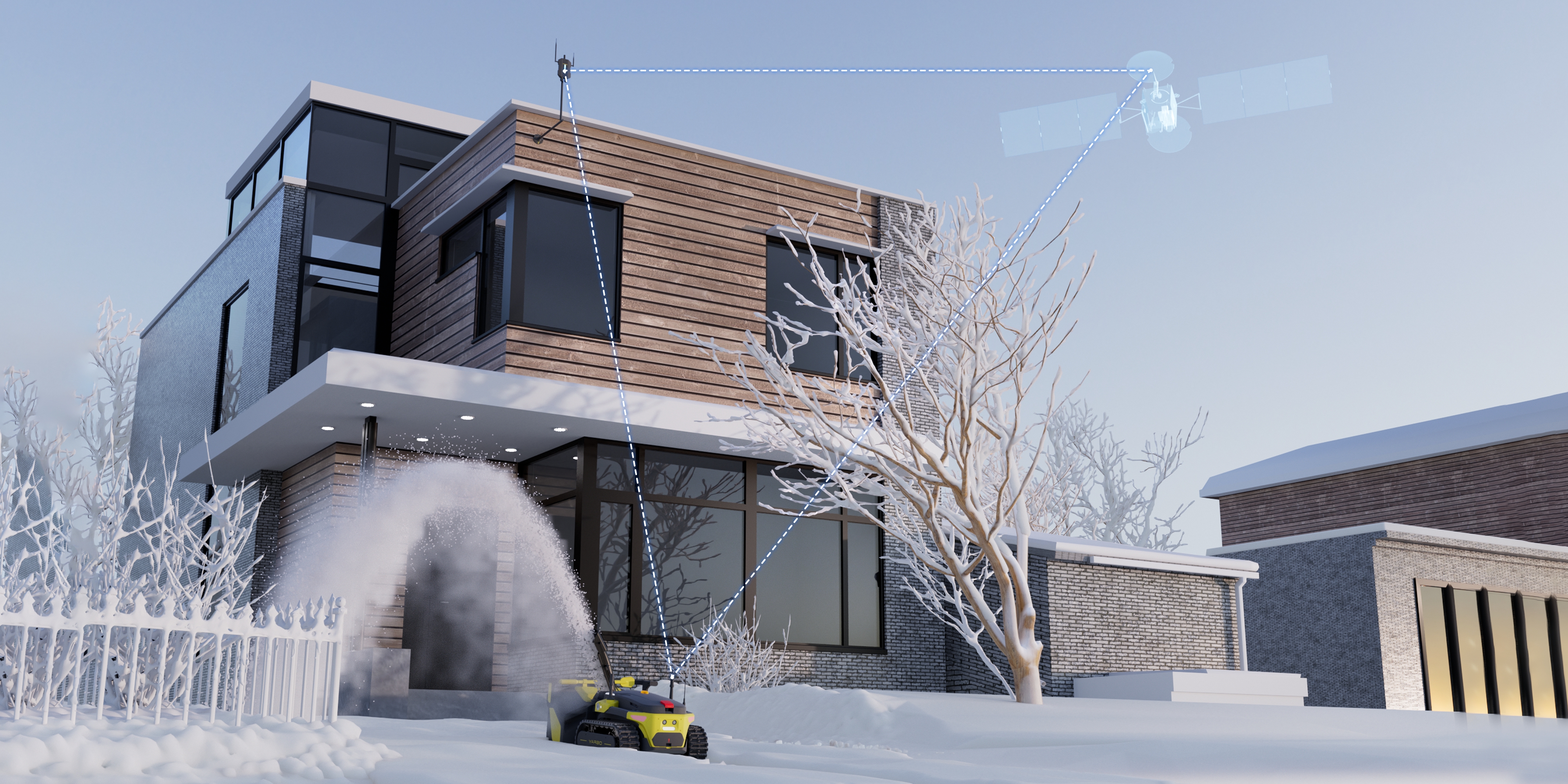
Robot snowblowers work similarly to robotic lawn mowers or vacuum cleaners but are engineered for the demands of snow and ice. Here’s how they operate:
-
Mapping & Navigation: Advanced sensors and GPS mapping allow them to learn your driveway’s layout and avoid obstacles.
-
Scheduled Clearing: Set your robot snowblower to clear snow at specific times, even during snowfall, preventing buildup.
-
Smart Obstacle Detection: They stop or reroute if they detect objects in their path.
-
Remote Control: Most models, including the Yarbo robot snowblower, can be controlled via a smartphone app for manual overrides or adjustments.
-
Self-Charging: They return to their charging base automatically after completing a job or when battery levels run low.
These features eliminate the need for you to use a snowblower manually, making winter maintenance effortless.
Switching From Traditional to Robot Snowblower
Switching from traditional to robot snowblower usage simplifies winter maintenance while ensuring consistent, effective snow removal.
How to Transition:
-
Measuring Your Area: Confirm your driveway size is within your robot snowblower’s capacity. For example, the Yarbo robot snowblower efficiently handles driveways up to 100㎡ in one clearing cycle.
-
Installing the Base Station: Position it near your driveway in a flat, accessible area for charging and auto-docking.
-
Mapping Your Property: Let your Yarbo robot snowblower learn driveway boundaries, paths, and obstacles for precise, obstacle-avoiding operation.
-
Setting Schedules: Program your robot snowblower to clear during or right after snowfall, preventing snow compaction.
-
Monitoring Remotely: Use the Yarbo app to track progress, pause or resume operation, and adjust settings anytime, anywhere.
This switch from traditional to robot snowblower usage redefines how to use a snowblower, turning snow removal into a fully hands-free, weather-proof task.
Learn more on how to use a robot snowblower for driveway.
Common Mistakes Traditional vs Robot Snowblower Usage
Here’s a quick comparison of common mistakes when using a traditional snowblower vs. how the Yarbo robot snowblower solves them:
| Mistake (Traditional Snowblower) | Impact | Yarbo Robot Snowblower Solution |
| Cleaning before snowfall stops | Requires repeat clearing, machine overload | Clears automatically post-snowfall using schedules |
| Ignoring proper chute adjustments | Leads to snow buildup on cleared areas | Auto-adjusts chute direction based on wind & path |
| Overloading machine with deep snow | Causes clogs, breakdowns | Clears in layers autonomously, avoiding overload |
| Poor posture during use | Back and wrist strain | No physical handling needed, fully autonomous |
| Forgetting fuel/oil checks | Machine stalls mid-use | Electric operation, auto-charges, zero fuel management |
This table helps users visually grasp why switching from a traditional to a robot snowblower is a practical upgrade for winter property care.
Why Upgrade to a Yarbo Robot Snowblower?
Even with perfect technique, traditional snowblowers demand physical effort, time, and maintenance in freezing conditions.
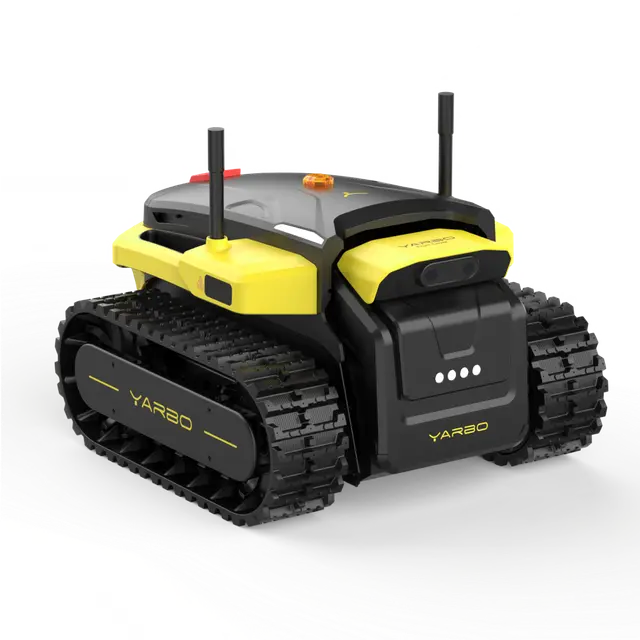
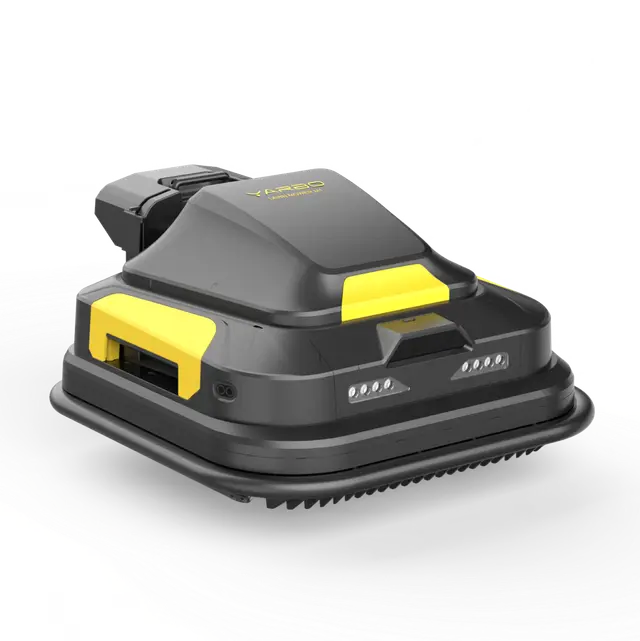
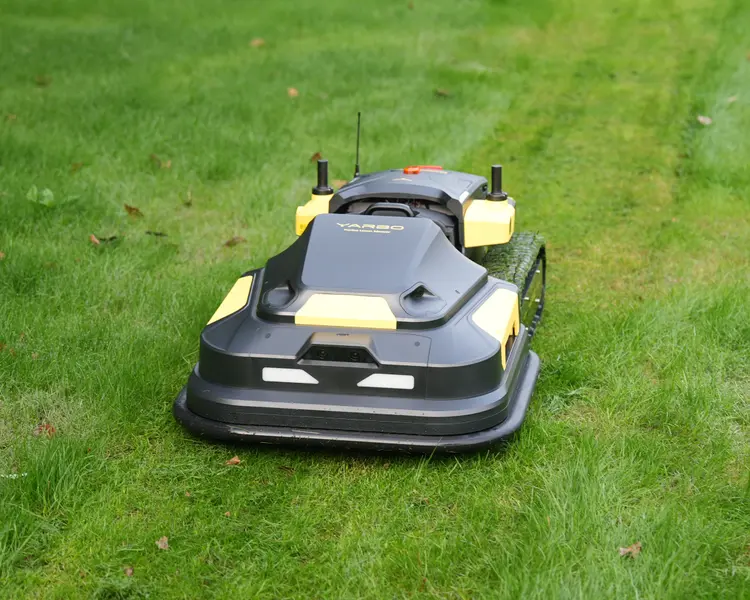
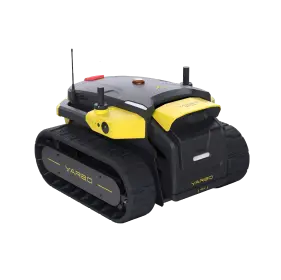
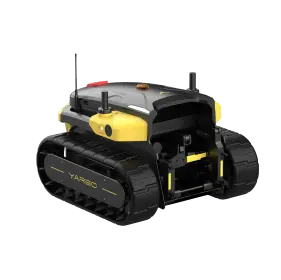
Yarbo’s robot snowblower isn’t just another winter gadget; it’s a powerful, all-in-one snow removal solution engineered for reliability and efficiency.
The Yarbo robot snowblower offers clear advantages:
-
Automatic, unsupervised clearing: Clears snow precisely while you focus on your morning routine.
-
Handles varying snow depths effortlessly: Clears 3", 6", and 12" snow depths in layers for optimal performance.
-
Adjusts chute direction and power: Uses sensors to optimize throw distance and direction in real-time.
-
Controlled remotely via the Yarbo app: Schedule, monitor, and adjust from anywhere.
-
Data-backed efficiency: Test data shows Yarbo clears a 100㎡ driveway in only 15 minutes, up to 3x faster than traditional models.
Switching to the Yarbo robot snowblower means using a snowblower safely, efficiently, and without physical strain, ensuring your driveway remains clear all winter with zero manual effort.
Key Features of the Yarbo Robot Snowblower:
-
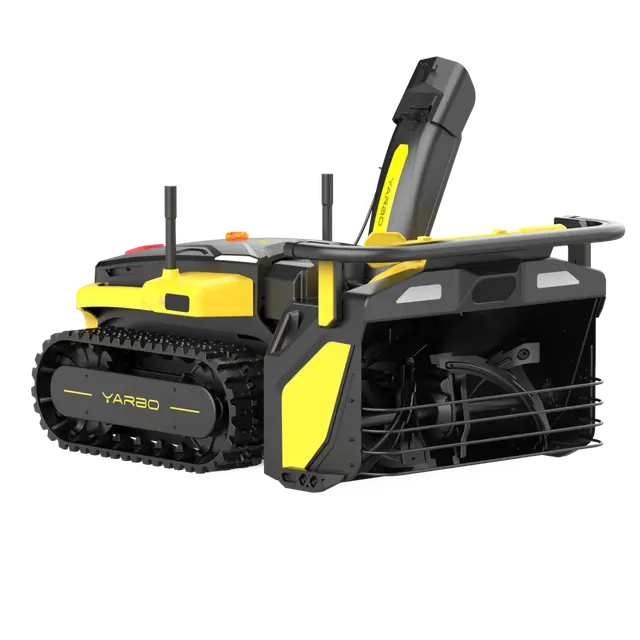
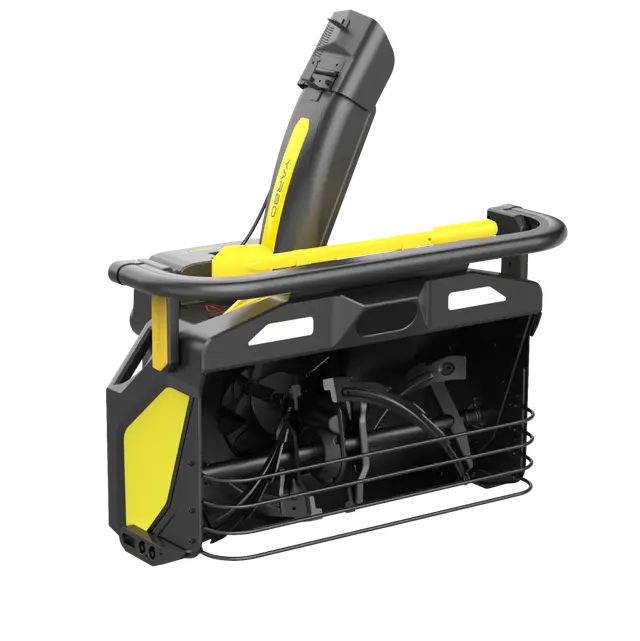
Powerful Auger System: Clears heavy, wet snow effectively, reducing the risk of clogs and inefficiency common in manual snowblowers.
-
All-Terrain Mobility: Handles various driveway surfaces, including gravel, asphalt, and concrete, ensuring a thorough clear every time.
-
Smart Controls: Schedule, monitor, and control your snow clearing from your smartphone, making using a snowblower as simple as a tap.
-
Safety Systems: Equipped with sensors that detect people, pets, or obstacles, stopping the machine instantly to prevent accidents.
-
All-Weather Operation: Built to function in harsh winter conditions, so you don’t have to worry about snow build-up overnight.
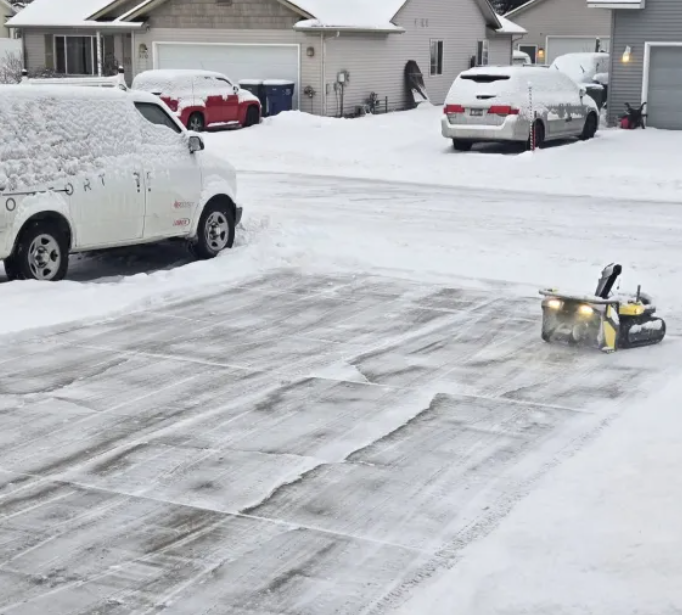
Real User Case: Yaro Against the Minnesota Snow
“In Minnesota, where temperatures drop to -20℃, my Yarbo robot snowblower worked continuously for 8 hours, clearing over 500㎡ without supervision. I didn’t have to touch a shovel or worry about my driveway once.” – Yarbo User, Minnesota
Yarbo’s robot snowblower transforms how to use a snowblower from a tedious manual process into a seamless, automated experience.
Traditional Snow Blowing Cost
Many homeowners continue using a snowblower manually, unaware of:
-
Time Loss: Spending hours outside in freezing temperatures.
-
Health Risks: Slips, falls, and back strain are common with manual snow clearing.
-
Incomplete Clearing: Manual snowblowers often miss spots or cannot handle deep snow efficiently.
-
Hidden Costs: Gas, maintenance, and repairs add up annually.
With a robot snowblower like Yarbo, you eliminate these issues, keeping your driveway clear while saving time, reducing risks, and enjoying a worry-free winter.
Conclusion
Learning how to use a snowblower correctly can transform your winter, but switching to a Yarbo robot snowblower elevates your snow-clearing game. Enjoy:
-
A clear driveway without lifting a finger.
-
Time saved during busy mornings.
-
Reduced risks of slips, falls, and back injuries.
-
Smart, eco-friendly, and efficient snow management.
Ready to Experience Snow Removal Without the Backache?
Visit Yarbo today to discover how a robot snowblower can redefine how you handle winter, keeping your driveway clear and your life stress-free.
FAQs
-
How often should I use a snowblower during heavy snowfall?
For manual snowblowers, clear in layers if snow exceeds 6 inches. With Yarbo, you can schedule continuous clearing to prevent buildup.
-
Can a robot snowblower handle wet, heavy snow?
Yes, Yarbo’s high-torque auger system is designed for heavy, wet snow, ensuring efficient clearing even in challenging conditions.
-
Is using a robot snowblower safe for kids and pets?
Yes, Yarbo’s sensors detect motion and obstacles, stopping automatically to ensure safety for pets and children.
-
Do I still need a manual snowblower with Yarbo?
Yarbo handles most snow conditions, but having a small manual snowblower can be helpful for quick, specific clearings if needed.
-
How do I maintain my Yarbo robot snowblower?
Minimal maintenance is required; keep sensors clean, charge regularly, and store in a dry area during off-seasons.
-
Can a robot snowblower save me money?
Yes, while the initial investment is higher, you save on gas, maintenance, and potential medical bills from manual snow clearing injuries.
-7.png?w=1001&h=621)
 Private group · 33.0K members