.png?w=720&h=480)
Each winter, countless homeowners and property managers face a familiar battle heavy, wet snow blanketing driveways, sidewalks, and parking lots. Removing it quickly isn’t just about convenience; it’s about safety and accessibility. Yet, not all machines are built to handle the intensity of dense or compacted snow.
Early snow blowers were often single-stage models that relied solely on an auger to scoop and discharge snow. While effective for light layers, they struggled when confronted with packed or icy snowbanks. The introduction of 2 stage snow blower revolutionized winter maintenance combining robust engineering, power, and design efficiency to clear more snow in less time.
In this article, we’ll explore what makes this design so effective, how it works, and why modern machines like Yarbo’s Snow Blower Module represent the future of automated winter care.
Table of Contents:
What Is a 2 Stage Snow Blower?
Understanding the Two-Stage Mechanism
The “two stages” refer to two distinct processes in snow removal:
-
Auger Stage: A heavy-duty steel auger scoops up and crushes compacted snow and ice.
-
Impeller Stage: A high-speed impeller fan then throws the collected snow out of the discharge chute, propelling it far from the clearing area.
.png?w=2214&h=1660)
This dual-action mechanism ensures consistent snow movement even under the harshest conditions. Unlike single-stage models, which rely on a single rotating auger, the separation of functions allows for greater efficiency and prevents clogging in wet snow.
Key Components of a 2 Stage Snow Blower
-
Auger Blades: Serrated edges for slicing through frozen layers.
-
Impeller: Multi-blade fan that accelerates snow discharge.
-
Drive System: Self-propelled wheels or tracks that enhance traction on icy or uneven ground.
-
Engine or Motor: Provides the torque required for deep-snow performance.
-
Chute Direction Control: Adjusts where snow is discharged, minimizing rework.
Together, these parts form a synergistic system capable of removing large volumes of snow without slowing down.
How Does a 2 Stage Snow Blower Work?
The two-stage system is the engineering core that enables Yarbo to transition from an intelligent robot into a powerful clearing machine. This dual-action mechanism systematically processes the most difficult snow:
Stage 1: Breaking and Collecting
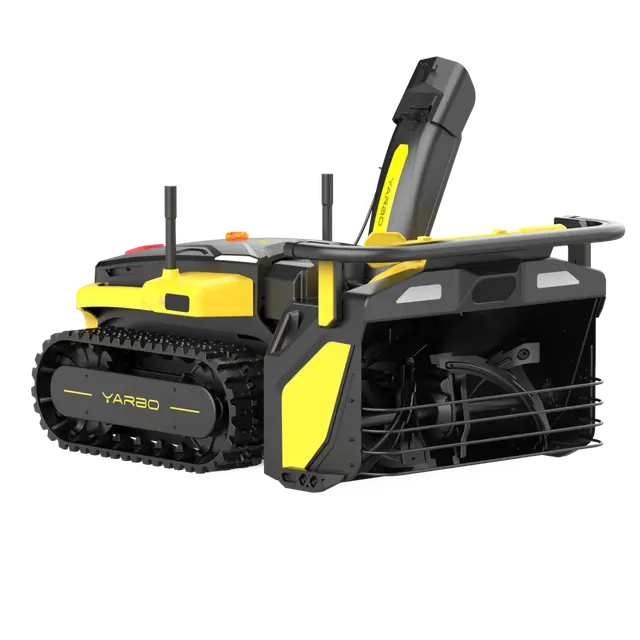
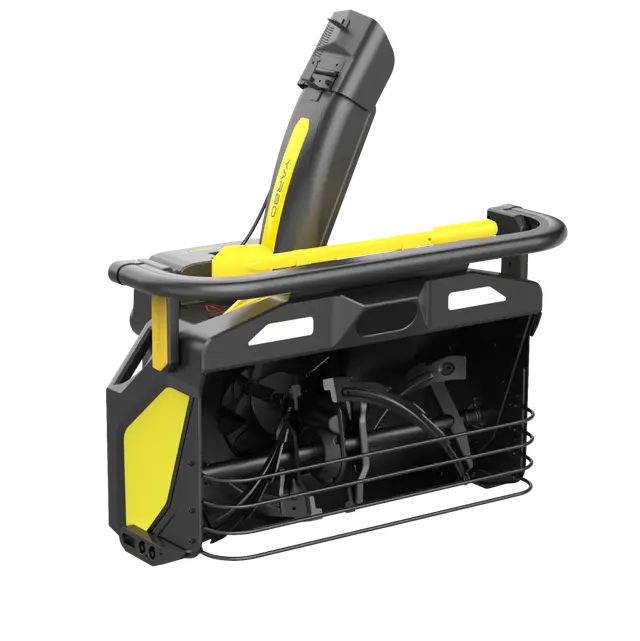
The process begins with the horizontal, heavy-duty, serrated auger. This serrated blade rotates powerfully to scoop, cut, and pulverize hard-packed snow and solid ice. This action breaks the large, dense material the main obstacle for single-stage units into manageable chunks.
Stage 2: Throwing and Discharging
Once the material is broken down, a high-speed impeller (or fan) accelerates the snow and propels it out through the chute. This highly efficient propulsion system allows Yarbo to accurately throw the snow 6 to 40 feet (1.8 to 12.2 meters) away. The ability to precisely control the discharge direction and distance via the app prevents the snow from being thrown onto cleared areas or into neighbors' yards, solving another key user pain point.
Single Stage vs 2 Stage Snow Blowers
Snow Capacity and Clearing Width
A single-stage model is perfect for light snow (up to 8 inches), but it falters in deeper drifts. A two-stage design, however, can clear snow up to 24 inches deep and 30 inches wide, depending on the model. This makes it suitable for both residential and commercial properties.
Power and Performance in Heavy Snow
Two-stage machines are powered by larger engines or motors, often featuring multiple forward speeds and reverse gears. This allows for adaptable clearing speeds and better maneuvering on slopes.
Surface Compatibility and Traction
Single-stage snow blowers work best on smooth, paved surfaces since their augers make direct contact with the ground. Two-stage machines, however, are designed with skid shoes and adjustable heights, allowing them to clear gravel, concrete, or uneven surfaces without throwing debris.
Conquering the Hardest Snow Challenges
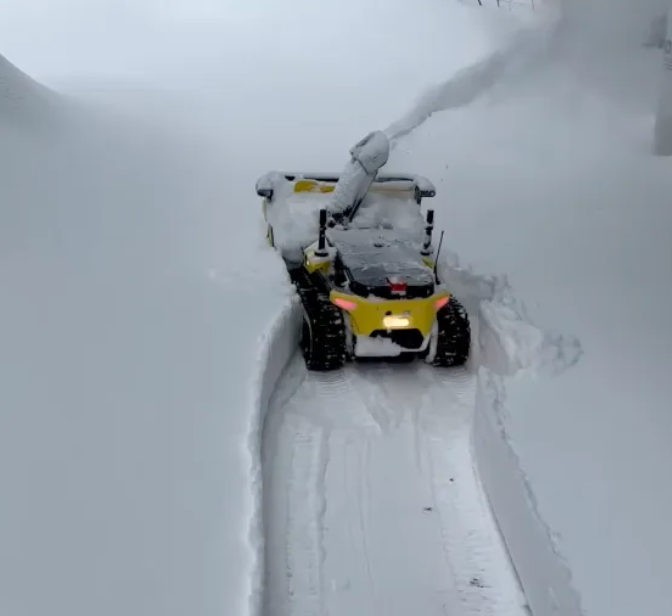
Yarbo’s two-stage design is mandatory for the environments it serves, particularly in the core markets of the Great Lakes Region and Nordic countries.
-
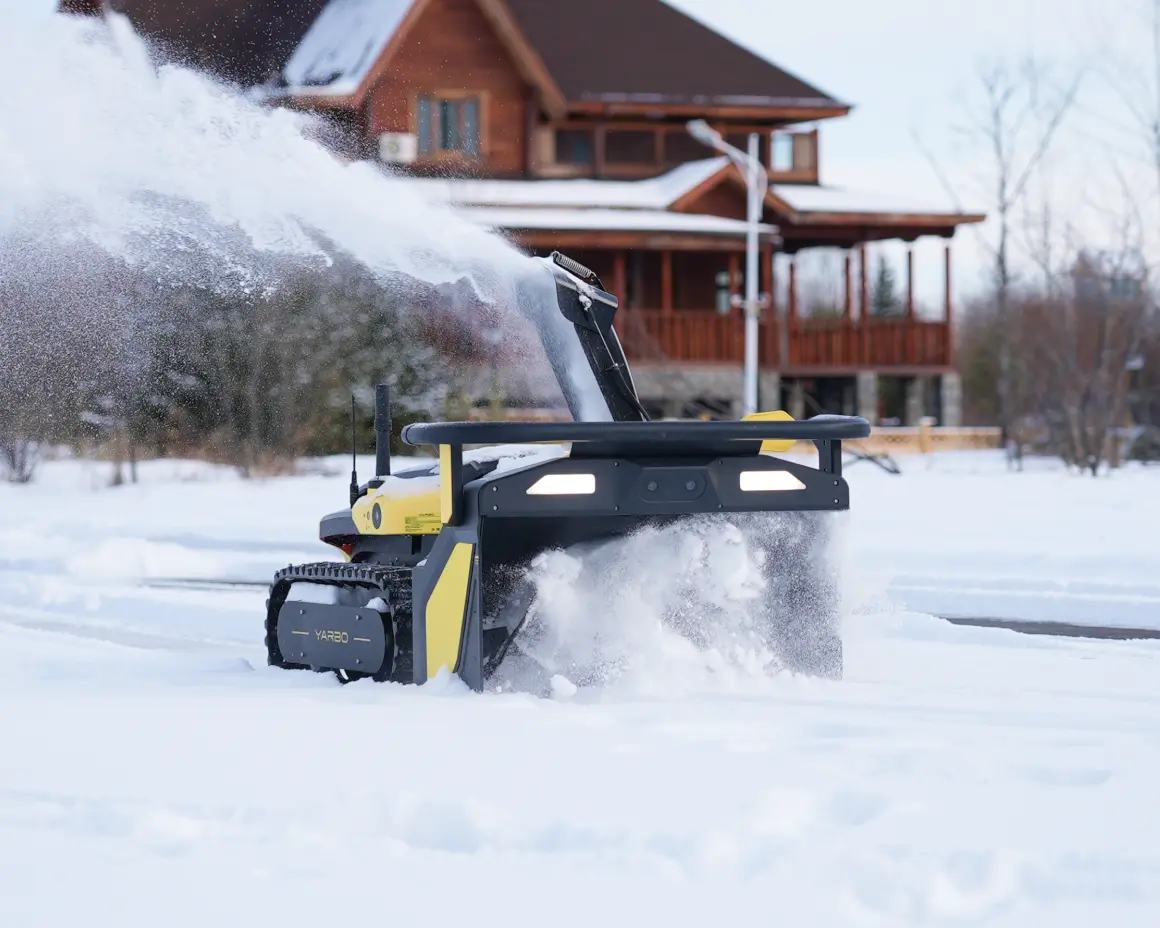
Deep and Heavy Snow: Yarbo is engineered to handle snow depths up to 12 inches (30 cm). This capability, combined with a 24-inch clearing width, ensures high efficiency and complete coverage.
-
Icy Slush and Plow Piles: The powerful serrated auger ensures that the machine can effortlessly clear the most challenging types of snow, including icy slush, which often stops lesser machines. This performance allows the robot to tackle the dense, tough snow walls left behind by municipal plows.
-
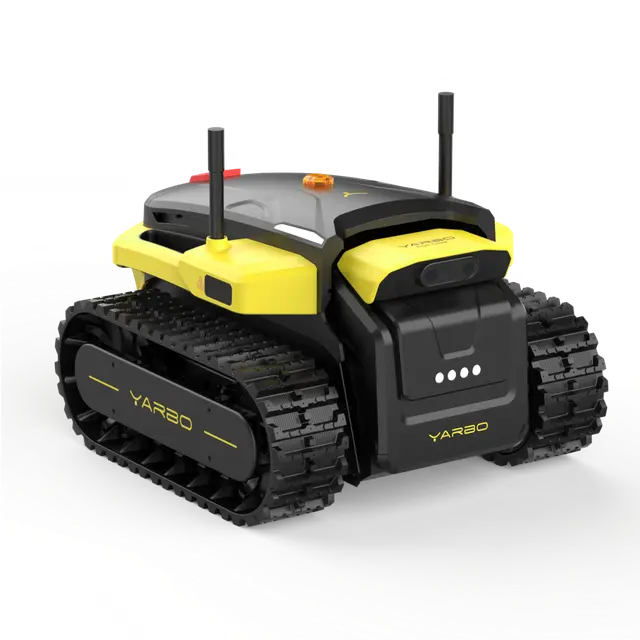
Stability and Durability: The performance is supported by the robot’s robust construction, including a steel body frame and tracks for superior traction, ensuring stability even while grinding through dense, hardened snow.
Benefits of Using a 2 Stage Snowblower for Heavy Snow
Greater Throwing Distance
Thanks to the impeller, snow can be discharged as far as 50 feet, ensuring cleared paths remain unobstructed even during heavy snowfalls.
Efficient Clearing of Deep, Wet, and Packed Snow
The two-stage mechanism doesn’t rely solely on auger rotation; instead, the impeller delivers extra power to handle dense, icy layers — drastically reducing clogging and downtime.
Enhanced Maneuverability and Control
Self-propelled drive systems and power steering reduce physical effort, allowing users to guide the machine with precision, even uphill or through uneven terrain.
Durability and Long-Term Performance
The dual mechanism reduces wear on the auger since it’s not responsible for throwing snow, extending the machine’s lifespan and lowering maintenance costs.
Why Two-Stage Design Is Ideal for Large Driveways and Properties
For properties that experience continuous heavy snowfall, efficiency matters as much as endurance. Two-stage snow blowers are built to handle:
-
Large clearing areas, such as long driveways and parking spaces.
-
Wet or mixed snow, where lighter blowers tend to clog.
-
High snowbanks, as their impeller ensures snow is thrown farther away.
The result is not only a cleaner surface but also a faster, smoother experience. Time is saved, energy is preserved, and the job gets done right the first time.
The Role of Engine Power and Torque in Performance
Gas vs Electric two Stage Snow Blowers
Gas-powered models remain the gold standard for raw performance and endurance. They can run for hours and manage deep, heavy snow effortlessly. Electric versions, on the other hand, are gaining popularity for their low maintenance, instant start, and zero emissions perfect for urban or noise-sensitive areas.
How Motor Efficiency Affects Clearing Capability
Motor efficiency directly influences auger torque and impeller speed. A highly efficient engine provides steady, consistent power even under load, ensuring that snow clearing remains uninterrupted, even in sub-zero temperatures.
Modern Innovations in Two Stage Snow Blowers
Self-Propelled Drive Systems
These systems give the snow blower independent movement, reducing strain on the operator and allowing easy control over variable speeds.
Heated Handles, LED Lights, and User Comfort
Modern designs focus on comfort and safety heated handles prevent freezing hands, while LED headlights improve nighttime visibility.
Advanced Auger and Impeller Technologies
Some models now feature non-stick coatings, improved impeller blade geometry, and variable-speed impellers that adjust based on snow density for maximum performance.
Real-World Example: Yarbo Snow Blower Module
How Yarbo’s Modular System Improves Snow Clearing Efficiency
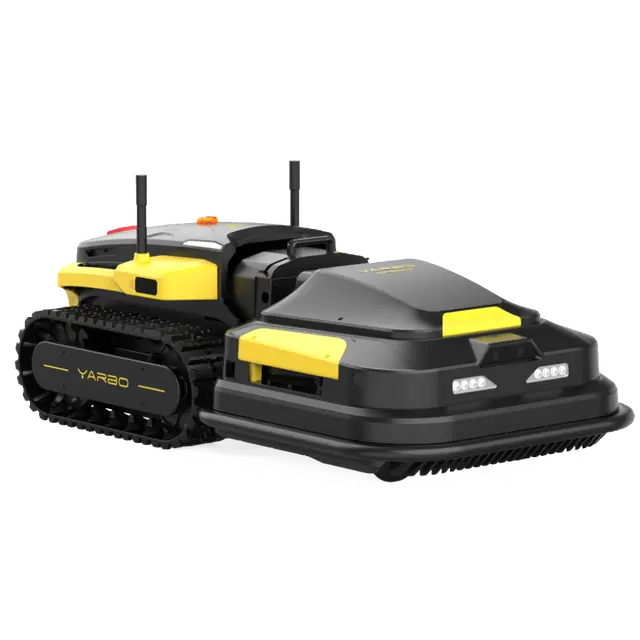
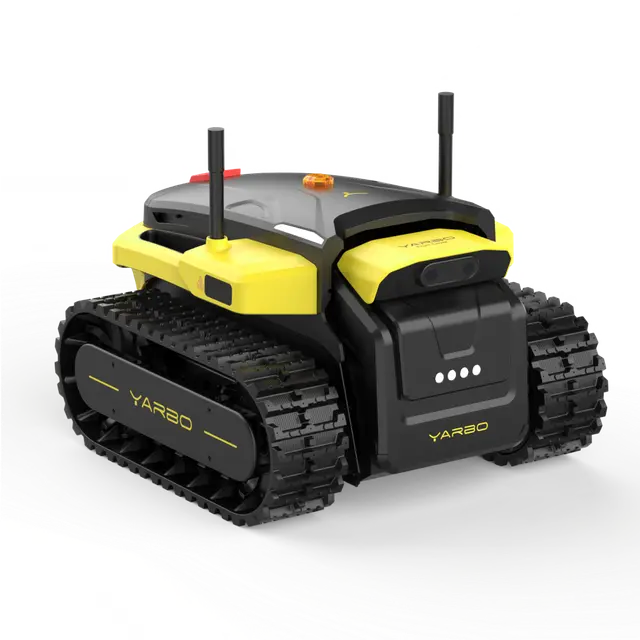
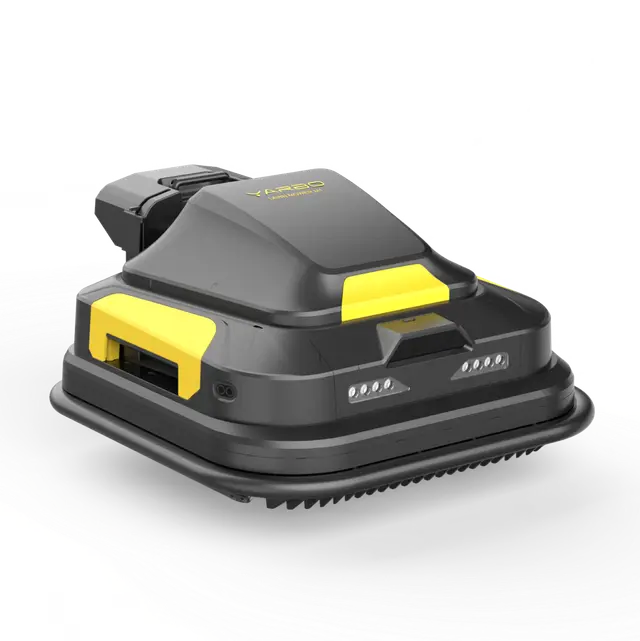
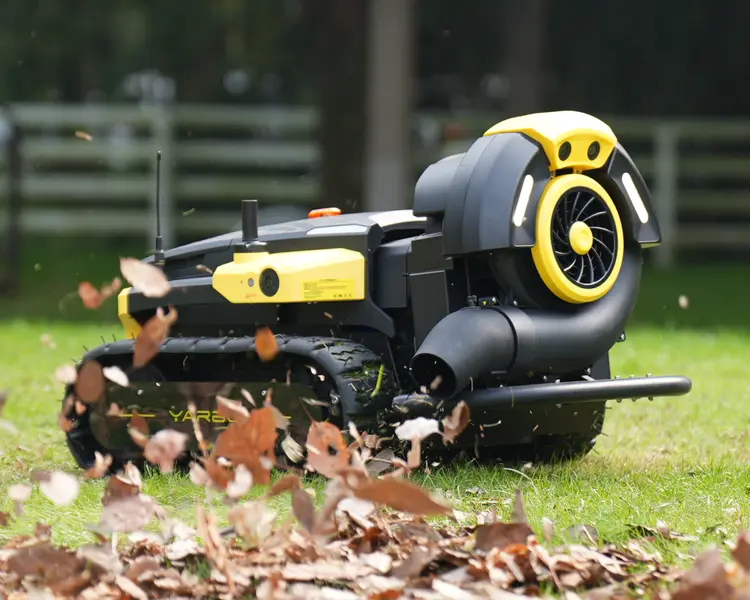
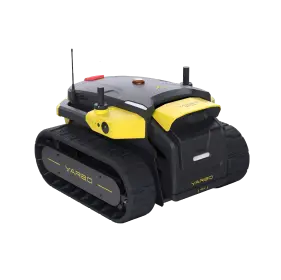
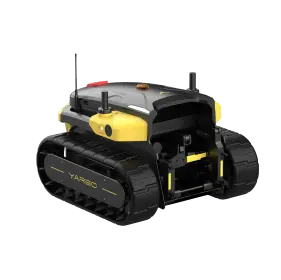
The Yarbo is a cutting-edge, autonomous snow blower that embodies two-stage technology within a robotic platform. It uses a metal auger and high-speed impeller to tackle snow up to 12 inches deep without manual intervention.
Weather Intelligence and App-Based Control
Through the Yarbo App, users can schedule snow clearing routines, define zones, and track progress in real-time. The system even integrates local weather forecasts to automatically adjust operation before or after a storm.
Power and Precision: What Sets Yarbo Apart
What makes Yarbo stand out isn’t exaggeration it’s innovation. With its AI navigation, all-wheel drive, and wireless charging capability, the Yarbo redefines snow clearing convenience.
Maintenance Tips for 2 Stage Snowblowers
-
Inspect Before Use: Check belts, shear pins, and tires.
-
Lubricate Moving Parts: Especially auger bearings and chute controls.
-
Clean After Each Use: Remove snow residue to prevent rust.
-
Store Properly: Keep in a dry, covered space and drain fuel before long-term storage.
-
Replace Worn Components: Dull auger edges or loose belts reduce efficiency.
Routine care not only extends the machine’s life but ensures top performance throughout the winter.
Common Mistakes to Avoid When Using a 2 Stage Snow Blower
-
Overloading the intake with excessive snow at once.
-
Ignoring regular maintenance or oil checks.
-
Clearing wet, heavy snow too quickly without adjusting speed.
-
Skipping safety checks before starting the engine.
Avoiding these mistakes ensures longevity and safer operation.
Safety Tips for Efficient Operation
-
Always wear safety goggles and insulated gloves.
-
Clear the area of rocks, sticks, or debris before starting.
-
Turn off the engine before unclogging the chute.
-
Keep children and pets at a safe distance during use.
Conclusion
The two-stage power is foundational to Yarbo’s core value proposition: 24/7 Autonomous Snow Clearing. Users want to be liberated from the strenuous physical labor and the time commitment of clearing snow in extreme weather conditions.
Because the Two-Stage design guarantees the machine won't get stuck or struggle with the most common and difficult obstacles, Yarbo can automatically clear snow, recharge when the battery is low, and continue working without requiring manual intervention in the cold.
FAQs
1.What makes a 2 stage snow blower more effective than a single-stage?
It separates snow collection and discharge into two stages, resulting in higher throwing power and smoother clearing in deep or wet snow.
It separates snow collection and discharge into two stages, resulting in higher throwing power and smoother clearing in deep or wet snow.
2.Can it handle icy or compacted snow?
Yes. The steel auger and impeller system can break through frozen layers that single-stage models cannot.
Yes. The steel auger and impeller system can break through frozen layers that single-stage models cannot.
3.What type of surface can I use it on?
Most models include adjustable skid shoes for use on gravel, concrete, or asphalt.
Most models include adjustable skid shoes for use on gravel, concrete, or asphalt.
4.Is maintenance difficult?
Not at all regular lubrication and inspection are typically all that’s required.
Not at all regular lubrication and inspection are typically all that’s required.
5.How far can snow be thrown?
Depending on power and model, some can throw snow between 30 and 50 feet.
6.Is Yarbo’s suitable for residential use?
Yes. Its modular robotic design makes it ideal for homeowners who want automated snow removal with minimal effort.
Yes. Its modular robotic design makes it ideal for homeowners who want automated snow removal with minimal effort.
-7.png?w=1001&h=621)
 Private group · 33.0K members