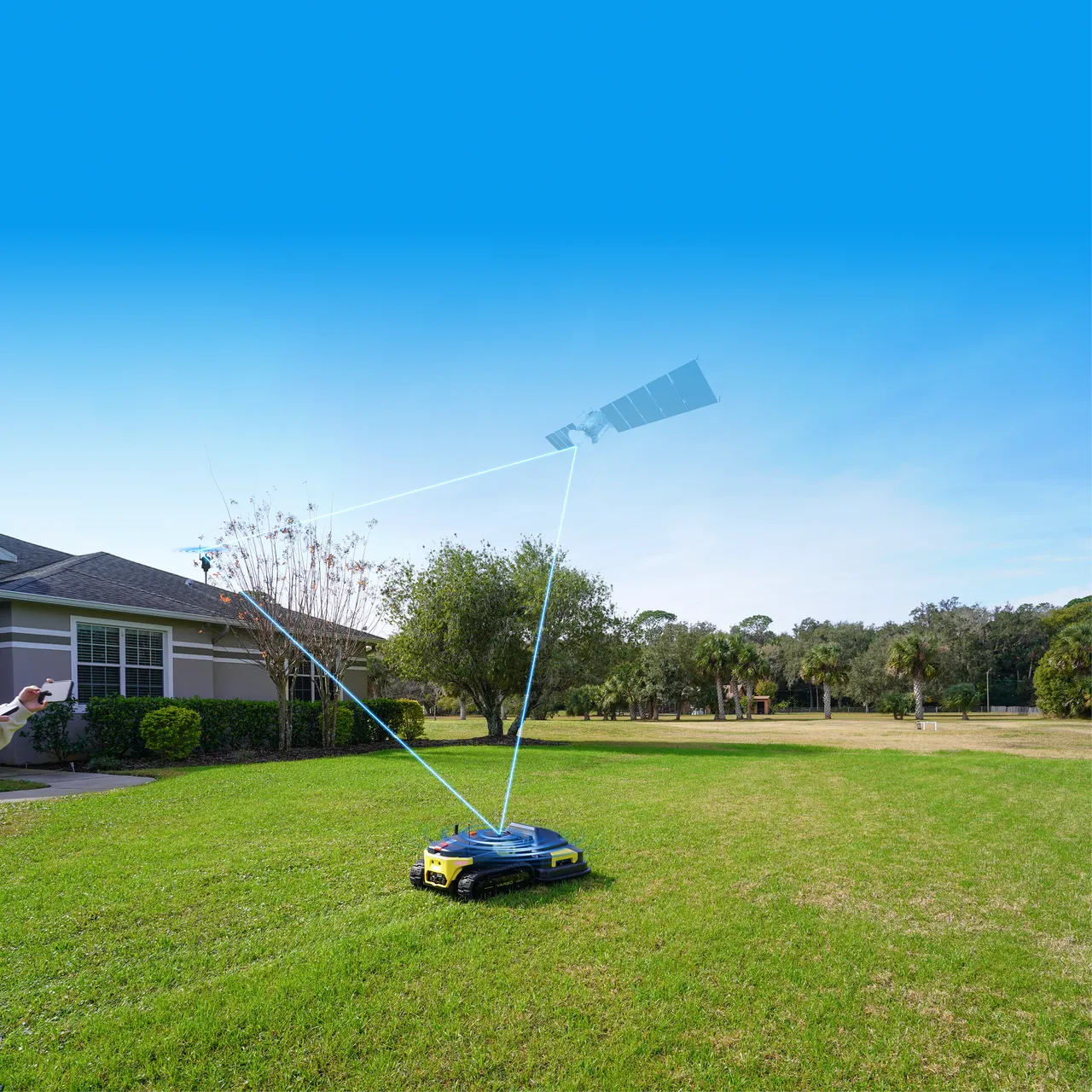
In today’s fast-paced world, homeowners are looking for smarter, more efficient ways to maintain their lawns without spending hours behind a traditional mower. That’s where GPS robot mowers step in—revolutionizing lawn care with automation, precision, and convenience. But as with any new technology, there’s an important question: which GPS robot mower is better—wired or wireless?
Both wired and wireless GPS robot mowers aim to make lawn care effortless, but they operate differently. Wired models use boundary wires installed underground to define mowing zones, while wireless models rely on GPS, AI, and sensors to navigate freely without physical barriers.
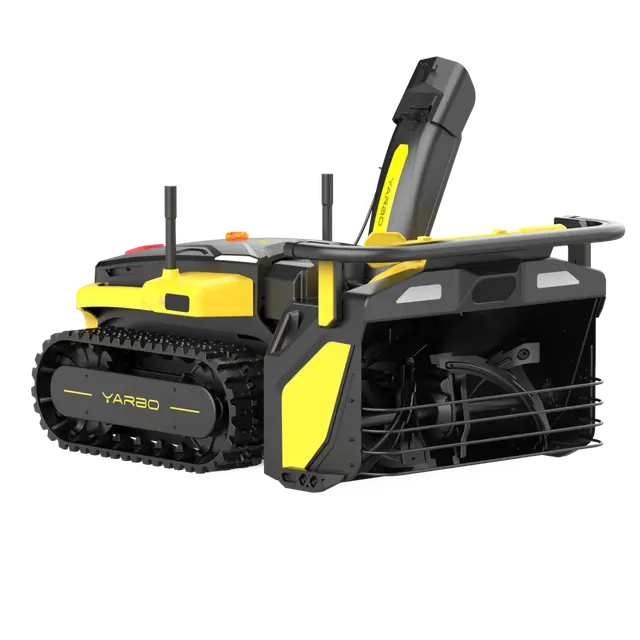
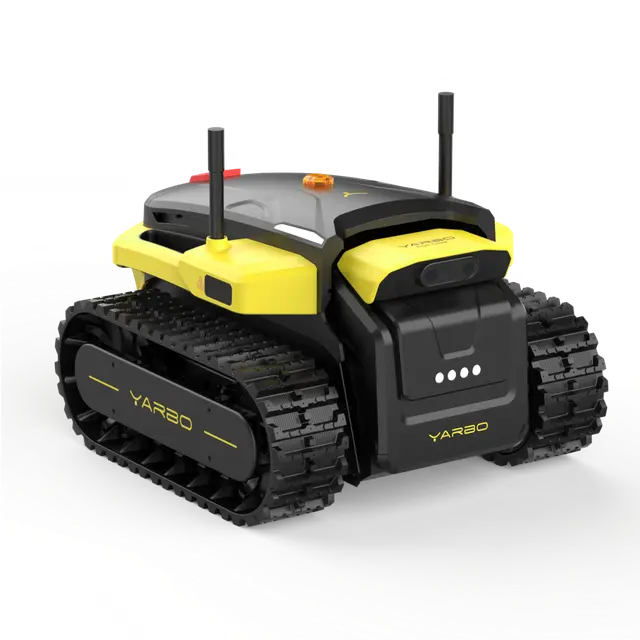
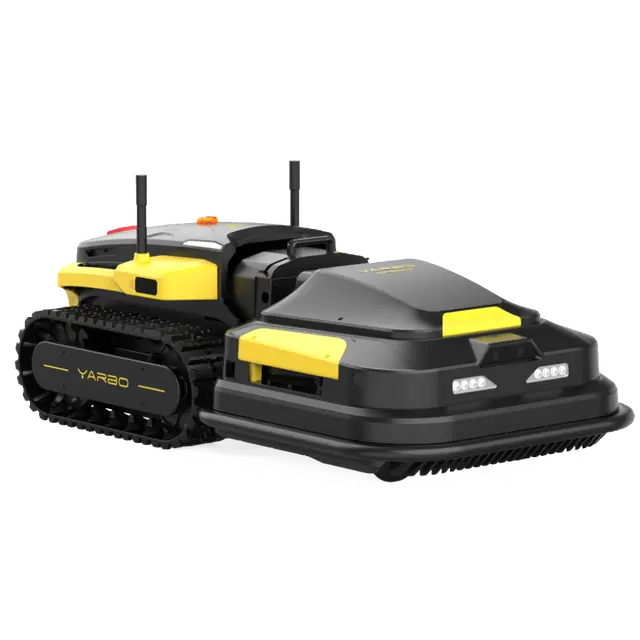
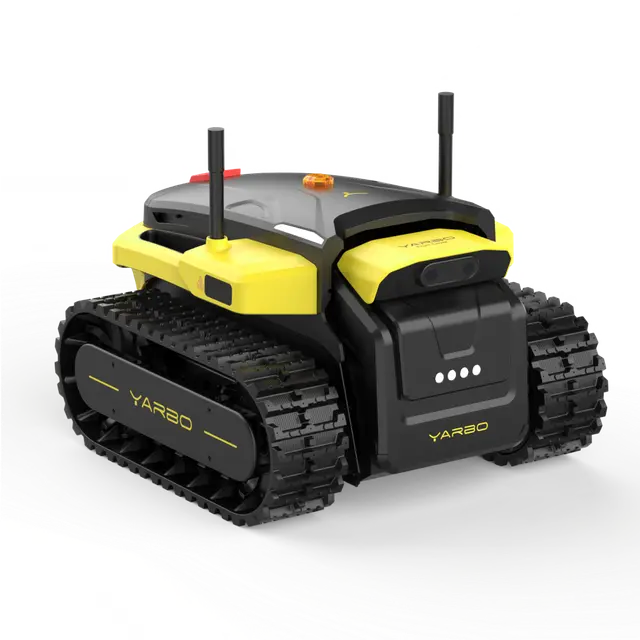
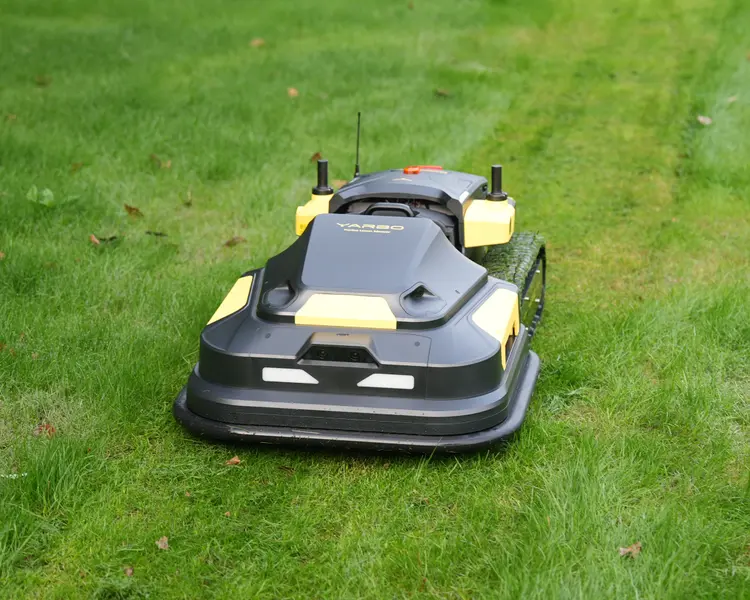
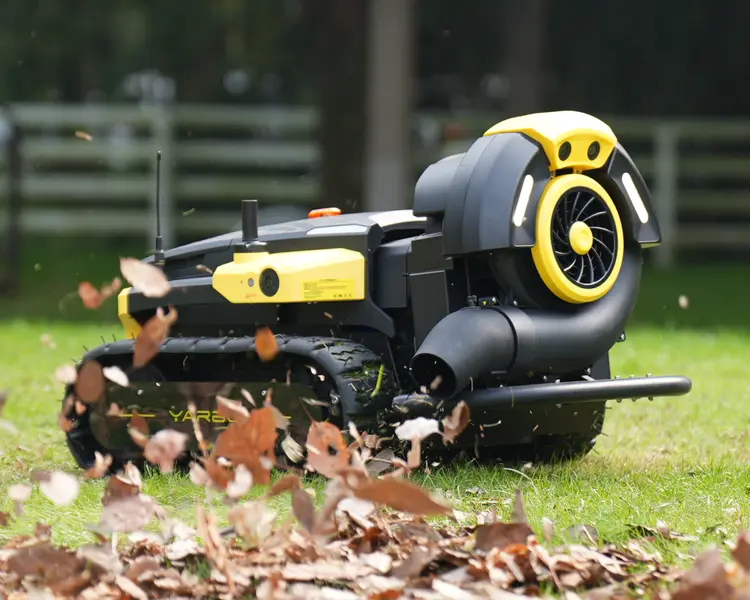
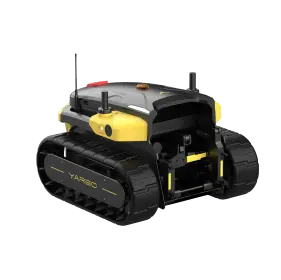
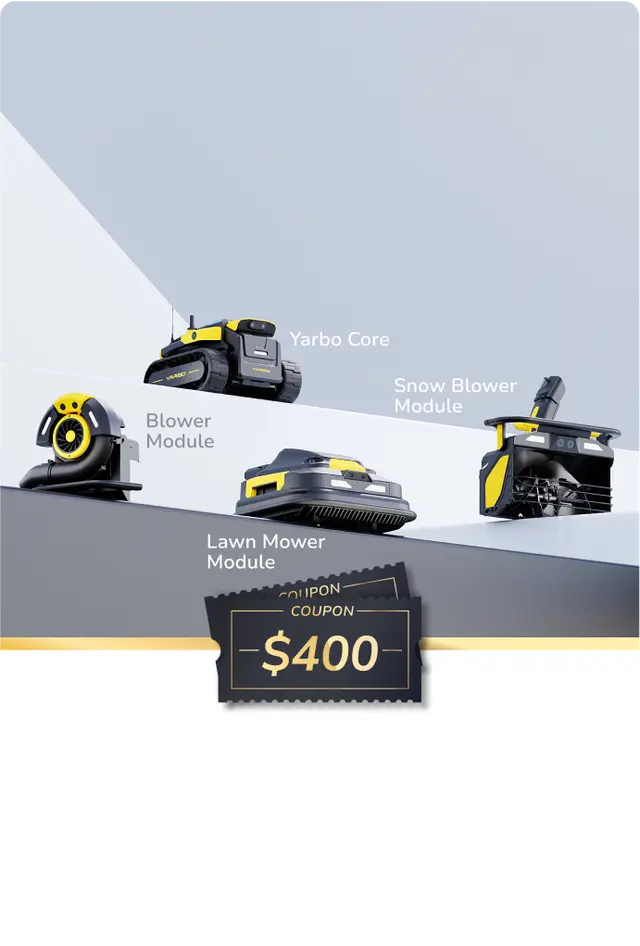
As the technology evolves, companies like Yarbo are setting new industry standards by combining wireless GPS navigation with modular design, delivering unmatched versatility. In this article, we’ll break down the differences, compare features, and highlight why Yarbo’s robot mower no wire is leading the future of yard care.
Table of Contents:
What Is a GPS Robot Mower and How Does It Work?
A GPS robot mower is an automatic Wifi lawn mower that uses GPS technology to navigate, cut grass, and maintain a lawn with minimal human effort. Unlike traditional mowers, these devices don’t require manual pushing or riding; instead, they work autonomously within defined boundaries.
-
GPS Mapping: Helps the mower understand lawn boundaries and create mowing patterns.
-
Sensors: Detect obstacles, slopes, and changes in terrain.
-
AI Control: Adjusts mowing routes for maximum efficiency.
-
App Integration: Lets users control the mower remotely via WiFi or mobile networks.
This makes robot mowers ideal for busy homeowners, large properties, and complex yard layouts.
How Wireless vs Wired Robotic Mowers Work?
Robotic lawn mowers operate using two fundamentally different technologies to define their mowing areas and navigate your yard: wired boundary systems and wireless navigation systems. Each uses a unique method based on advancements in electrical engineering, GPS technology, and artificial intelligence.
How Wireless Robot Mowers Work:
GPS and Sensor-Based Navigation
Wireless robotic mowers rely on advanced GPS (Global Positioning System), often enhanced by RTK (Real-Time Kinematic) positioning, to determine their exact location in your yard with centimeter-level precision.
Some models also use vision systems or AI-based obstacle recognition to navigate and avoid collisions. Instead of physical wires, you digitally map the mowing area via a smartphone app. The mower uses satellite data and motion sensors to stay within these virtual boundaries.
-
Users create a digital map using a smartphone app
-
Mower navigates using GPS, sensors, or RTK (Real-Time Kinematic) positioning
-
Advanced features like smart scheduling, tracking, and remote operation
Key Technology:
-
GPS / RTK for real-time location tracking
-
Inertial measurement units (IMUs) for orientation
-
AI and camera-based vision systems
-
Cloud-based updates and app integration
Pros of Wireless Robot Mowers
-
Quick and simple setup—no wires to bury.
-
Flexible mowing zones can be adjusted from an app.
-
Easier to move between multiple properties.
-
Works with advanced features like virtual boundaries and smart scheduling.
Cons of Robot Mower No Wire
-
May cost more due to advanced technology.
-
Satellite accuracy can sometimes be affected by tall trees or dense buildings.
-
Requires regular software updates for best performance.
Wired Robotic Mowers – Perimeter Wire Technology
Wired robotic mowers use electromagnetic field detection to stay within a defined mowing area. A low-voltage wire is laid around the perimeter of your lawn and connected to a base station.
This wire emits a continuous electrical signal, creating an electromagnetic field that the mower can sense through its onboard sensors. When the mower detects this signal, it knows to stay inside the boundary. This system is mechanically simple but highly reliable, making it effective for irregular lawns with complex shapes.
-
Perimeter wire installation (above or below ground)
-
The mower detects the boundary wire and stays within it
-
Operates on a set schedule and returns to its charging dock automatically
Key Technology:
-
Electromagnetic field detection
-
Onboard perimeter sensors
-
Pre-programmed movement algorithms
Pros of Wired Robot Mowers
-
Proven technology with years of reliability.
-
Generally less expensive than advanced wireless systems.
-
Stable signal transmission unaffected by poor satellite connectivity.
Cons of Wired Robot Mowers
-
Installation can be time-consuming and costly.
-
Moving lawn boundaries requires re-installing wires.
-
Repairs can be difficult if wires get damaged.
Key Differences Between Wired and Wireless GPS Robot Mowers
| Feature | Wired GPS Robot Mower | Wireless GPS Robot Mower |
| Setup | Requires boundary wire installation | Quick setup with no wires |
| Flexibility | Fixed mowing zones | Adjustable virtual zones |
| Navigation | Wire-based signals | GPS + AI navigation |
| Cost | Lower upfront | Higher investment |
| Maintenance | Wire repairs needed | Software updates only |
| Best For | Simple, small lawns | Large, complex yards |
Wired Mower Installation
Installing a wired robotic mower involves significant physical labor, especially for odd-shaped lawns.. Here's what's typically required:
-
Tools Needed: Spool of boundary wire, wire pegs or stakes, wire connector kit, wire cutter, rubber mallet, and possibly a trenching tool.
-
Steps:
-
Plan the perimeter layout.
-
Lay the wire around the lawn's boundary, securing it with pegs.
-
Connect the wire to the base station.
-
Bury the wire for aesthetics and protection (optional but recommended).
-
This process can take several hours, especially for larger or irregularly shaped lawns. Any future changes to the lawn layout may require digging up and repositioning the wire, adding to the maintenance burden.
Installation Process: Wired vs. Wireless
Which is easier?
For wired mowers, installation can take hours or even days depending on lawn size. Homeowners must bury boundary wires around flower beds, trees, and edges. Any landscaping change later means redoing the setup.
Robot Mower No Wire like Yarbo Wifi Lawn Mower Module simplify this process. Users only need to connect the mower via a smartphone app, set mowing boundaries virtually, and let the AI take over. No digging, no wires—just pure convenience.
A rubber mallet can help press the pegs into the soil without damaging the wire. Some setups may also require a trenching tool or edger to bury the wire slightly below ground for a cleaner look and added protection. Most robotic mowers come with a basic installation kit, but having these additional tools can make the process quicker and more precise.
Installation Process for Wireless Robot Lawn Mowers
In contrast, installing a wireless robotic mower is straightforward and requires minimal physical effort. The process typically involves:
-
Steps:
-
Download the manufacturer's app on your smartphone.
-
Set up the mower and connect it to the app.
-
Walk the perimeter of the lawn with your phone to create a digital map.
-
Define mowing zones and no-go areas within the app.
-
The entire setup can be completed in minutes, without the need for any digging or wire management. For example, with Yarbo mowers, the app provides intuitive controls to adjust boundaries and schedules easily.
In Depth Comparison of Perimeter Wire vs. GPS Lawn Mowers
Navigation of Wired Mowers
Physical boundary wire iA physicalnstalled around the lawn's perimeter is used to define the mowing area. This ensures the mower stays within set boundaries, offering consistent performance.
However, any changes to the lawn layout require manual adjustments to the wire, and the wire itself can be susceptible to damage from gardening activities or environmental factors.
In certain areas where there is less mowing area and the mower accidentally crosses over the wire it gets stuck there, after which you need manual intervention to fix it.
Pros:
-
Reliable Boundaries: Always stays within the physical wire, making navigation predictable and consistent.
-
No Signal Dependency: Works perfectly without satellite or internet connectivity.
-
Great for Complex Lawns: Can be manually laid around flower beds, trees, or irregular edges for precise mowing.
Cons:
-
Tedious Installation: Requires manual labor to install and bury the wire, which can take hours.
-
Hard to Modify: Changing lawn layout means digging up and repositioning the wire.
-
Prone to Wire Damage: Wire can break due to gardening tools, pets, or shifting soil.
-
Limited Smart Features: Lacks app control, zone mapping, and smart navigation intelligence.
Navigation of Wireless Mowers
Wireless mowers employ advanced technologies such as GPS, RTK (Real-Time Kinematic positioning), and various sensors to navigate lawns. These systems allow for precise mapping and efficient mowing patterns without the need for physical boundaries. For instance, RTK technology provides centimeter-level accuracy, enabling mowers to handle complex terrains and adapt to changes seamlessly without getting stuck.
Advantages of Wireless Navigation:
-
Flexible Setup: No need for physical wires; virtual boundaries can be set and adjusted via smartphone apps.
-
Efficient Coverage: Systematic lawn mowing patterns reduce missed spots and overlap, enhancing lawn appearance.
-
Obstacle Detection: Advanced sensors and AI enable mowers to detect and navigate around obstacles dynamically.
The only thing you need to consider for wireless mowers in Signal Dependency: Wireless systems rely on satellite signals; performance may be affected in areas with poor GPS reception.
Performance & Reliability: Wired vs. Wireless Lawn Mowers
When it comes to performance and reliability, both wired and wireless mowers have their strengths, but they cater to different needs and environments.
Wired Mowers: Consistent but Limited
-
Performance: Wired mowers provide consistent performance within their defined boundaries. They are particularly effective for small to medium-sized lawns with simple shapes.
-
Reliability: As long as the boundary wire is intact, wired mowers are highly reliable. However, any damage to the wire can disrupt operation, requiring repairs.
-
Limitations: The fixed boundaries can make it difficult to adjust for seasonal changes or landscaping modifications. Additionally, the mower may get stuck if it crosses the wire accidentally.
Wireless Mowers: Flexible and Intelligent
-
Performance: Wireless mowers, especially those with advanced technologies like RTK-GPS, offer precise mowing patterns and can handle complex lawn shapes with ease. They can systematically cover the entire lawn, reducing missed spots and over-mowing.
-
Reliability: Modern wireless mowers, such as Yarbo, have built-in systems to handle signal fluctuations. For instance, Yarbo's mowers use a combination of GPS, RTK, and inertial navigation to maintain accuracy even in areas with weak satellite signals.
-
Advantages: The ability to adjust virtual boundaries via an app makes wireless mowers highly adaptable to changing lawn conditions without physical intervention.
In summary, while wired mowers offer reliability for static lawns, wireless mowers provide superior performance and flexibility for dynamic and complex landscapes.
Yarbo removes that headache. No wires, no digging, no damage. Its robust wireless navigation system is built for all terrains, weather conditions, and yard designs. Even if satellite signals fluctuate, Yarbo’s internal system recalibrates and keeps mowing on track.
Understanding the cost and maintenance requirements is essential for making a wise investment in a robotic wifi lawn mower.
| Aspect | Wired Mowers | Wireless Mowers |
| Initial Cost | $500–$1500 | $1000–$3000+ |
| Installation Cost | $100–$300 (wire and tools) | None (app-based setup) |
| Long-Term Costs | Higher (wire repairs) | Lower (minimal maintenance) |
-
Initial Cost:
-
Wired Mowers: Generally have a lower purchase price, ranging from $500 to $1500.
-
Wireless Mowers: Typically more expensive, with prices starting from $1000 to $3000 or more, depending on the features and brand.
-
-
Installation Cost:
-
Wired Mowers: Require additional costs for boundary wire and installation tools, which can add $100 to $300.
-
Wireless Mowers: No installation costs beyond the purchase price, as setup is done via an app.
-
-
Long-Term Costs:
-
Wired Mowers: Higher maintenance costs due to potential wire damage and repairs.
-
Wireless Mowers: Lower maintenance costs, with occasional software updates that are often free.
-
Maintenance
Wired Mowers: Regular inspection of the boundary wire for damage, especially in areas with pets or heavy foot traffic. Repairs can be time-consuming and may require professional assistance.
Wireless Mowers: Minimal maintenance, primarily consisting of cleaning the mower and ensuring the app is updated. Yarbo mowers, for example, feature self-diagnostic tools that alert users to any issues, making troubleshooting straightforward.
Yarbo minimizes maintenance, thanks to its wire-free design and self-diagnostic software. Over-the-air updates ensure you always have the latest features and performance enhancements — without lifting a finger.
| Feature | Wired Robot Mower | Wireless Robot Mower |
| Installation | Requires perimeter wire | No wire needed; virtual boundary via app |
| Navigation | Physical Wire-guided | GPS, AIor sensor-guided |
| Flexibility | Less flexible; physical boundary required | Highly flexible; easy to modify boundaries |
| Pricing | More affordable- $600 - $1,200 | More expensive, $1,500 - $4,000 |
| Maintenance | Occasional wire checks | Software updates & GPS calibration |
| Smart Features | Basic or limited | Advanced & app-controlled |
Which Type of Lawn is Best Suited for Each?
| Lawn Type | Recommended Mower Type | Why? |
| Small or Simple Lawns | Wired Mower | Affordable & effective |
| Large, Complex, or Multi-Zone Lawns | Wireless Mower | Easier management & smart navigation |
| Lawns with Frequent Layout Changes | Wireless Mower | Quick boundary adjustments |
| Poor GPS Signal Areas | Wired Mower | No dependency on connectivity |
Small to Medium Lawns (Less than 0.5 acres):
-
Wired Mowers: Ideal for smaller lawns with simple shapes. The installation is manageable, and the lower cost makes them attractive.
-
Wireless Mowers: Also suitable but may be overkill for very small lawns, given their higher price point.
Large Lawns (0.5 acres and above):
-
Wired Mowers: Can be used but require extensive wire installation, which can be costly and time-consuming.
-
Wireless Mowers: Perfect for large lawns, as they can handle vast areas with precision and without the need for extensive physical setup.
Complex Lawns (with many obstacles, irregular shapes):
-
Wired Mowers: Can be challenging to set up around obstacles, requiring careful wire placement.
-
Wireless Mowers: Excel in complex environments due to their ability to map and navigate around obstacles using advanced sensors and AI.
Lawns with Poor GPS Coverage:
-
Wired Mowers: A better choice if your area has weak satellite signals, as they do not rely on GPS.
-
Wireless Mowers: May face challenges in areas with poor GPS, although many modern models, like Yarbo, have fallback systems to maintain operation.
Which is Better – Wired or Wireless Robot Mower?
Choose a Wired Robotic Mower if:
-
You want an affordable option
-
Your lawn layout is simple and unlikely to change
-
GPS coverage is poor in your area
Choose a Wireless Robotic Mower if:
-
You have a large or complex lawn
-
You value flexibility and advanced features
-
You want easy setup and smart app control
-
You're comfortable with technology and digital interfaces
Expert Opinions: What Lawn Care Pros Say
"If your lawn layout stays consistent and you don’t mind installation, wired mowers give you great value for money." — Michael Greene, Lawn Care Specialist"For tech-savvy homeowners with larger or complex yards, wireless mowers offer incredible flexibility and smart control features you won’t get with wired versions." — Emily Richards, Smart Home Tech Consultant
Expert Tips for Choosing the Right Mower
-
Assess Lawn Size & Complexity: Larger or more intricate lawns benefit from wireless models.
-
Consider Budget Constraints: Wired mowers are more affordable but less flexible.
-
Evaluate Tech Comfort Level: Wireless mowers require app interaction and updates.
-
Check Signal Availability: Ensure strong GPS signals for wireless models to function optimally.
Conclusion
Both wired and GPS robotic wifi lawn mowers have their own strengths, but the right choice depends on your lawn size, complexity, and how much flexibility you want.
-
Wired robot mowers work well for small, simple lawns with stable layouts. They’re affordable, reliable, and proven — but lack modern smart features.
-
GPS wireless robot mowers shine for larger, more complex yards. With digital mapping, advanced navigation, and app integration, they deliver unmatched convenience and precision.
If your goal is effortless lawn care with flexibility to adapt as your yard changes, a robot mower no wire is the smarter long-term investment.
Why Yarbo is the Smarter Choice
Yarbo takes wireless mowing a step further with its GPS robot mower powered by PPVS (Precise Positioning Vision System). By combining RTK-GPS with AI vision and inertial navigation, Yarbo achieves centimeter-level accuracy — even in areas where traditional satellite signals struggle.
-
No boundary wires, digging, or reinstallation.
-
Virtual zones and no-mow areas can be set directly from the app.
-
Works seamlessly as a wifi lawn mower, giving you remote control and scheduling flexibility.
-
Future-ready with over-the-air updates to keep performance optimized.
With Yarbo, you’re not just upgrading to a wireless GPS robot mower — you’re investing in smarter technology built for busy homeowners, large yards, and complex landscapes.
FAQs
1. What’s the main difference between a wired and wireless robotic lawn mower?
Wired robotic mowers use a physical boundary wire to define the mowing area, while wireless mowers like Yarbo rely on GPS and RTK-based virtual boundaries set through an app — offering greater flexibility and easier setup.
2. Is it hard to switch from a wired mower to a wireless one like Yarbo?
Not at all. Switching to a wireless mower like Yarbo is straightforward — there’s no need to dig or remove existing wires. Simply define your mowing area via Yarbo’s mobile app, and you’re ready to go.
3. Are wireless robot mowers as accurate as wired ones?
Yes — and often more so. Yarbo’s wireless mower uses advanced RTK-GPS, AI vision, and inertial navigation, offering centimeter-level accuracy, even in areas with weak GPS signals.
4. Which type of mower is better for a large or complex lawn?
Wireless mowers like Yarbo are ideal for large or irregular lawns. You can easily create and adjust multiple zones, avoid obstacles, and set no-mow areas without physical limitations.
5. Do wireless robotic mowers require regular software updates?
Yes, occasional updates help maintain peak performance and unlock new features. Yarbo makes this seamless with over-the-air updates — no technical expertise needed.
-7.png?w=1001&h=621)
 Private group · 33.0K members