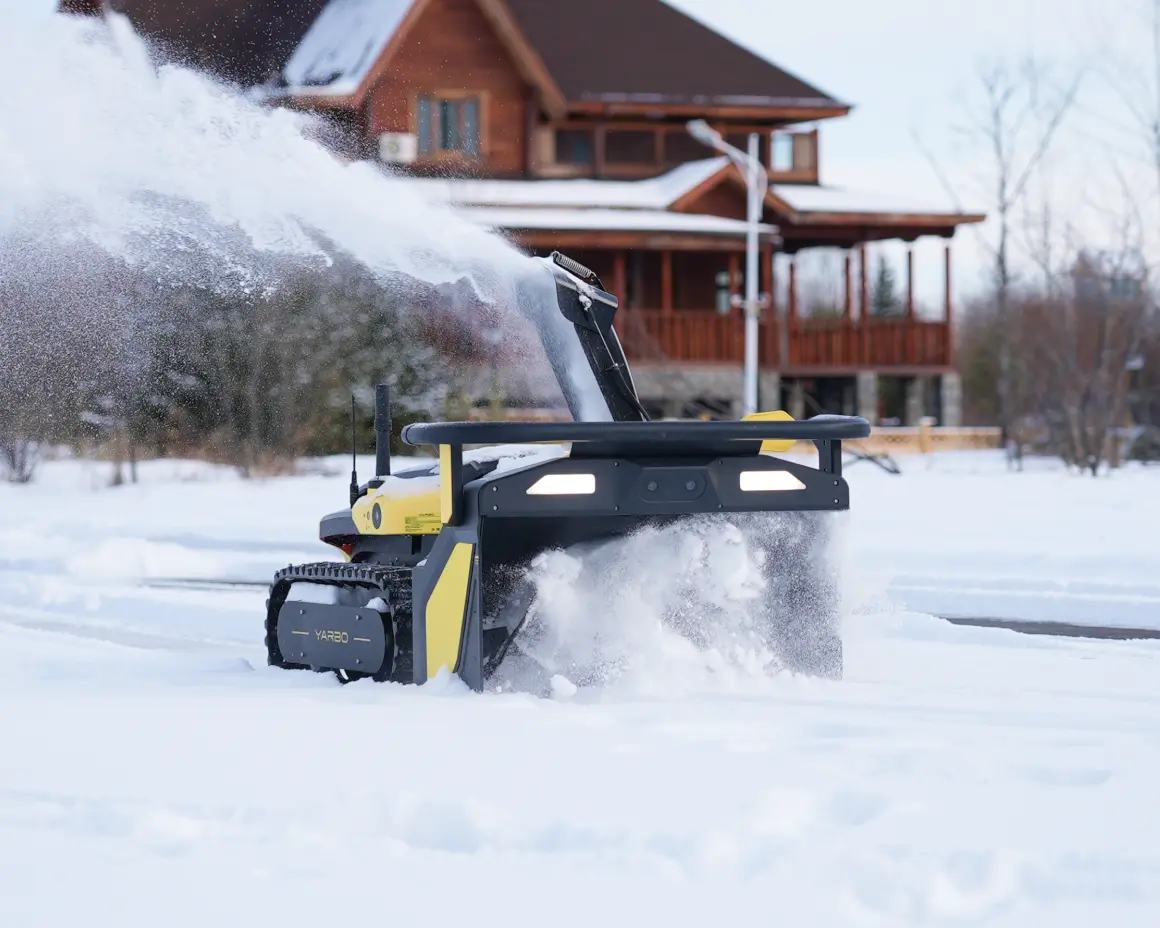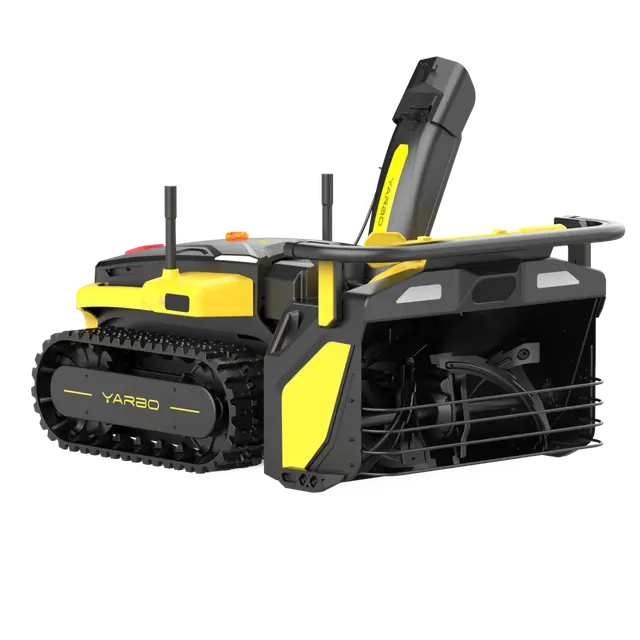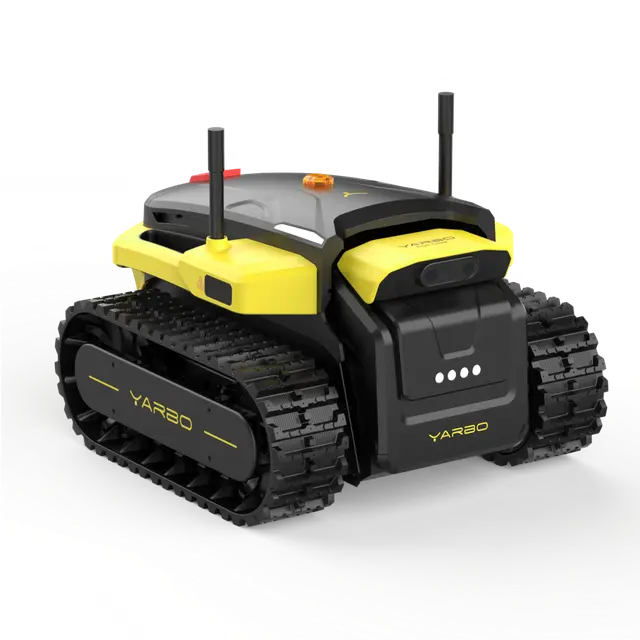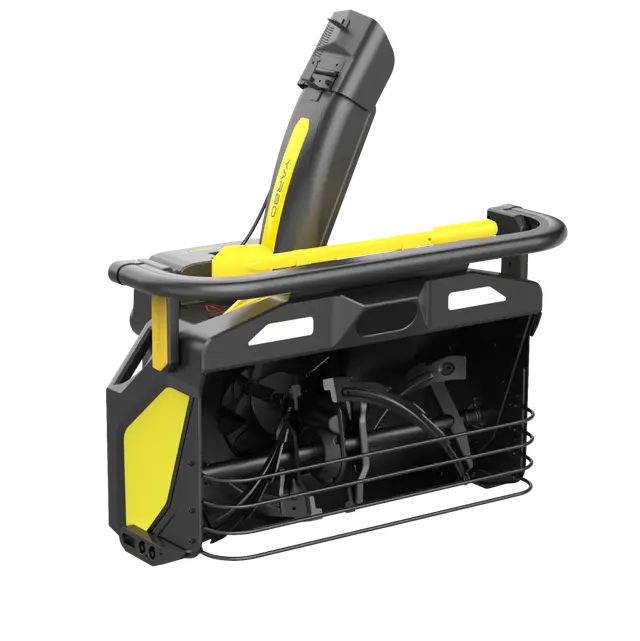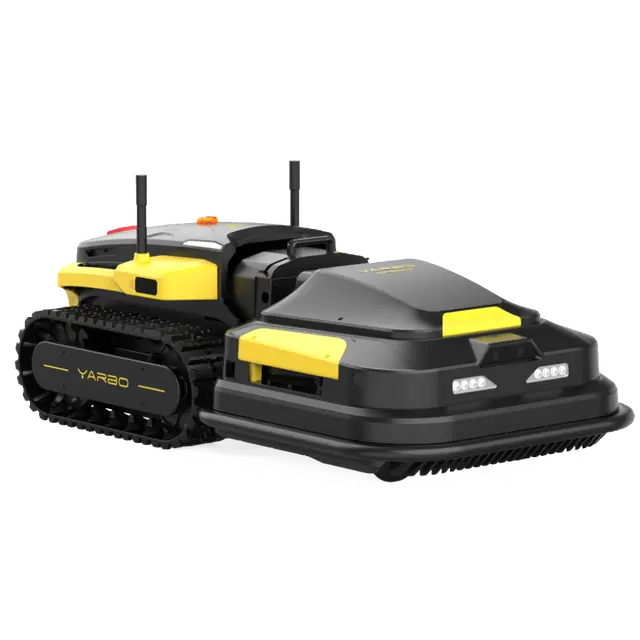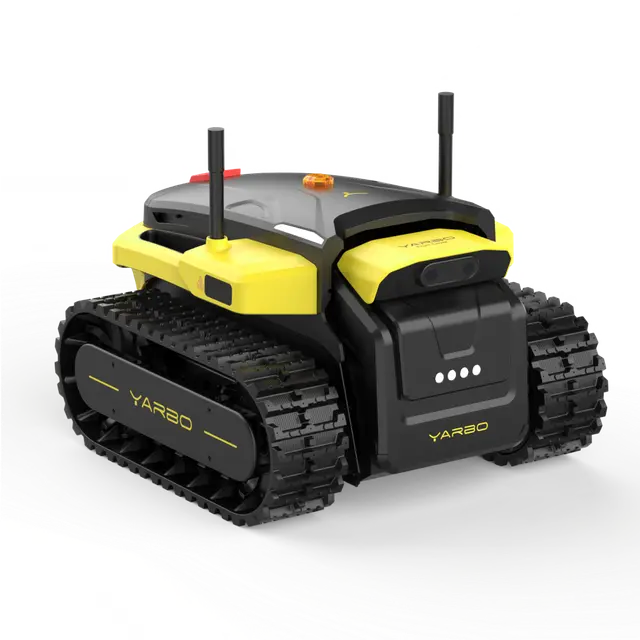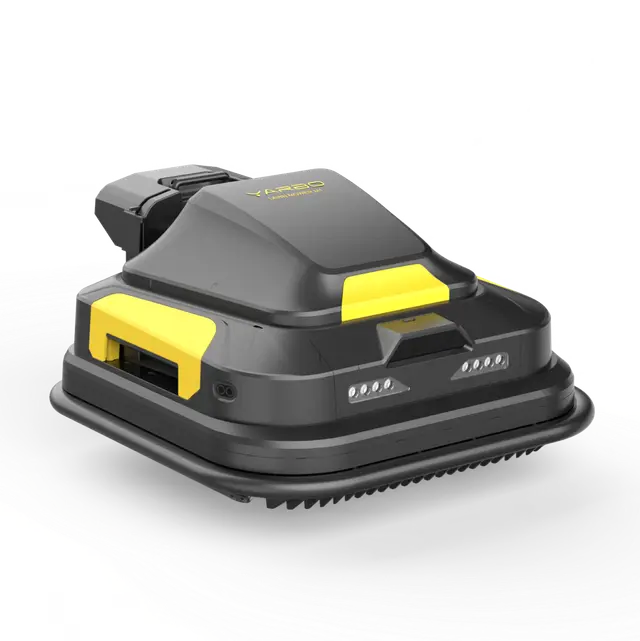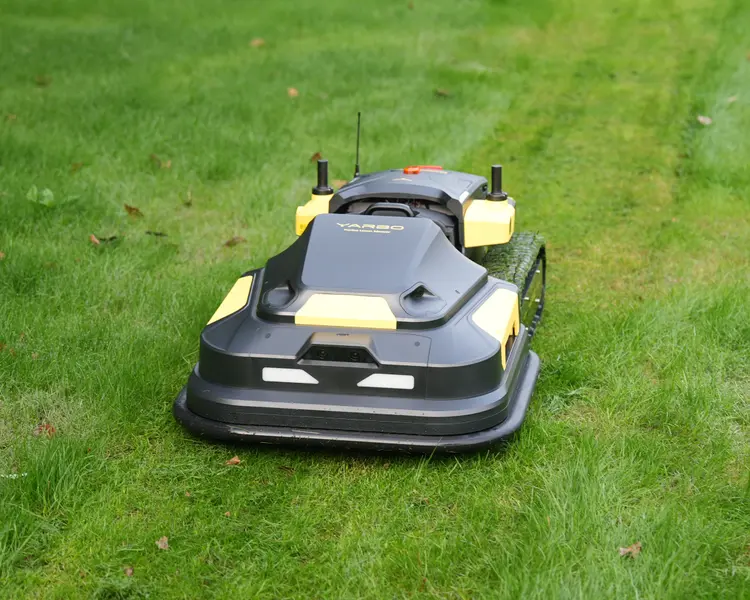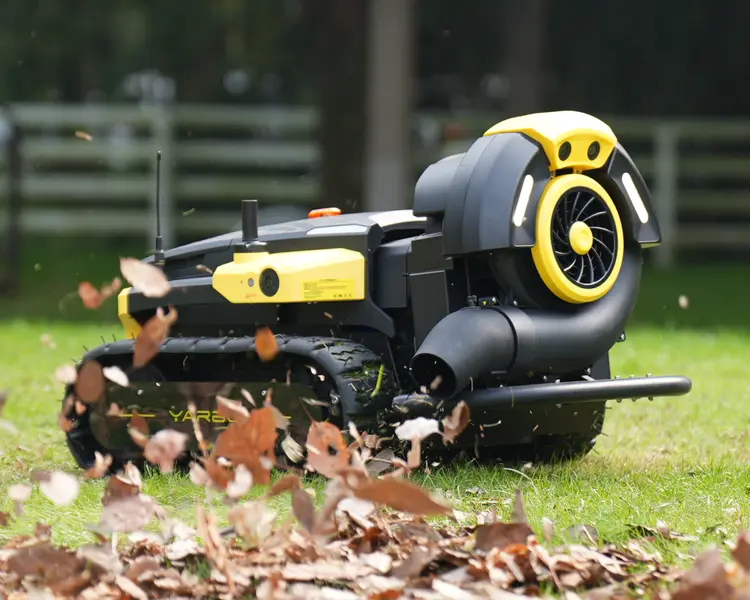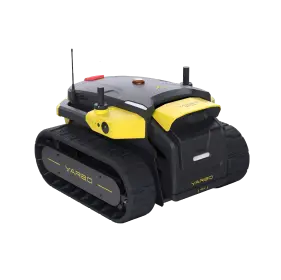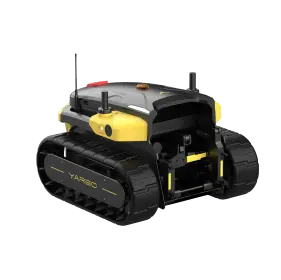
Winter is breathtaking, but for homeowners, it’s also demanding. Between shoveling driveways, clearing walkways, and managing unpredictable storms, snow removal can easily turn into a full-time chore. That’s where autonomous snow blowers come in—offering convenience, safety, and efficiency. But not all robotic snow blowers are created equal.
Most fail when harsh weather disrupts signals or connectivity drops mid-task. Yarbo, however, stands out with its Quad-Network Redundancy System and WiFi HaLow technology, engineered for uninterrupted communication and precision control—even during the coldest blizzards.
Let’s take a closer look at how Yarbo transforms advanced networking into your ultimate winter advantage.
Table of Contents:
The Challenge of Connectivity in Winter Robotics
For any autonomous machine, connectivity is paramount for receiving commands, mapping paths, and monitoring performance. In the outdoor winter environment, challenges like snow buildup, thick ice, and distance multiply the problems.
Ordinary WiFi signals, typically operating at high-frequency bands like 2.4GHz or 5GHz, struggle to penetrate environmental barriers such as walls, moisture, or distance. This weakness means a typical robotic snow blower might stop mid-job or lose connection when you need it most.
That’s where Yarbo’s secret weapon WiFi HaLow comes in.
Understanding WiFi HaLow
Yarbo’s secret advantage lies in its use of WiFi HaLow (formally known as IEEE 802.11ah) — a next-generation WiFi technology purpose-built for long-range, low-power IoT devices.
How WiFi HaLow Conquers Winter Barriers
Unlike traditional WiFi, WiFi HaLow operates in the 850–950 MHz frequency band, which offers several key advantages in challenging outdoor environments:
-
Superior Penetration: WiFi HaLow can travel up to 10 times farther than conventional WiFi and penetrate obstacles such as snow, trees, and walls with far greater stability.
-
Extended Range: In open areas, the signal can reach up to 1 kilometer (0.6 miles) — perfect for the large yards and wide properties that Yarbo is designed to manage.
-
Energy Efficiency: By consuming significantly less power, it supports longer battery life — an essential feature for battery-powered devices like Yarbo.
-
Reduced Congestion: Traditional 2.4 GHz WiFi networks suffer from overcrowding, as they only support three non-overlapping channels. WiFi HaLow avoids this problem, ensuring more stable and interference-free connectivity.
In essence, WiFi HaLow provides the reliable, long-range, and energy-efficient communication backbone Yarbo needs to maintain strong connections and consistent performance across large, complex outdoor spaces even in tough winter conditions.
Why Traditional WiFi Struggles in Outdoor Environments
Most WiFi networks today use high-frequency bands like 2.4GHz or 5GHz. While these are fast, they’re easily weakened by environmental barriers like snow, rain, or even thick fog. This results in signal drops, increased latency, and unreliable coverage especially when your robot is working far from the router.
How WiFi HaLow Overcomes These Barriers
WiFi HaLow solves these issues by:
-
Operating at lower frequencies (below 1GHz) allows better wall and obstacle penetration.
-
Extending range covering up to 1 kilometer in open space.
-
Reducing power usage ideal for battery-powered devices like Yarbo.
-
Supporting massive IoT ecosystems connecting hundreds of devices simultaneously without interference.
In short, HaLow gives Yarbo the backbone it needs for reliable, energy-efficient operation in large, complex yards.
Introducing Yarbo’s Quad-Network Redundancy System
Yarbo’s innovation doesn’t stop at WiFi HaLow. The company takes connectivity a step further with its Quad-Network Redundancy System, ensuring continuous performance regardless of weather conditions or signal interference.
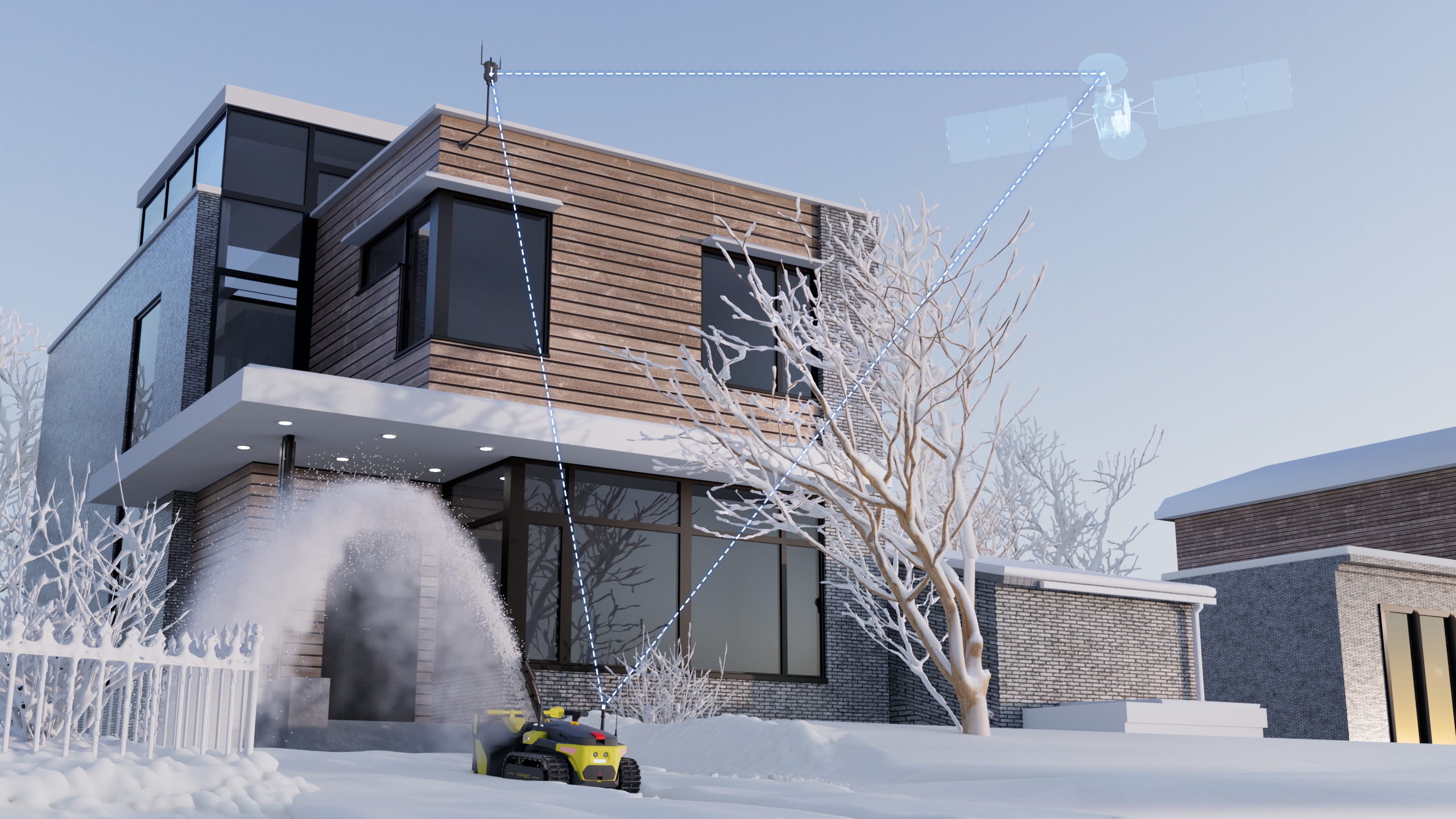
Yarbo further secures uninterrupted performance, regardless of signal interference or severe weather conditions, with its Quad-Network Redundancy System. This multi-layered design combines four independent communication networks, ensuring stability through intelligent switching.
Layer 1: WiFi HaLow Backbone The foundation for stable, long-distance communication that penetrates snow and ice.
Layer 2: 4G LTE Connectivity If local WiFi fails or is unavailable, Yarbo seamlessly switches to 4G LTE. This crucial backup allows you to monitor and control your autonomous snow blower remotely from anywhere, such as your office or while traveling.
Layer 3: Bluetooth Mesh Integration Utilized for close-range communication, enabling smooth local adjustments and pairing.
Layer 4: Local Direct Control via App Even if all external networks fail, the mobile app maintains a direct local connection, ensuring manual control remains available for uninterrupted snow clearing.
This four-layer design gives Yarbo an unmatched edge in reliability and responsiveness.
The Science Behind Redundancy: Why Four Networks Matter
In tech terms, redundancy means having backup systems ready to step in instantly when one fails. Yarbo’s Quad-Network structure ensures there’s always a communication link available, minimizing downtime.
Think of it as the digital equivalent of all-wheel drive: when one wheel slips, the others grip tighter. This system ensures that Yarbo keeps performing seamlessly—even when other robots stall.
Redundancy also means predictability and safety. Users never have to worry about losing control mid-storm, or leaving their property half-cleared.
How Yarbo Maintains Performance During Snowstorms?
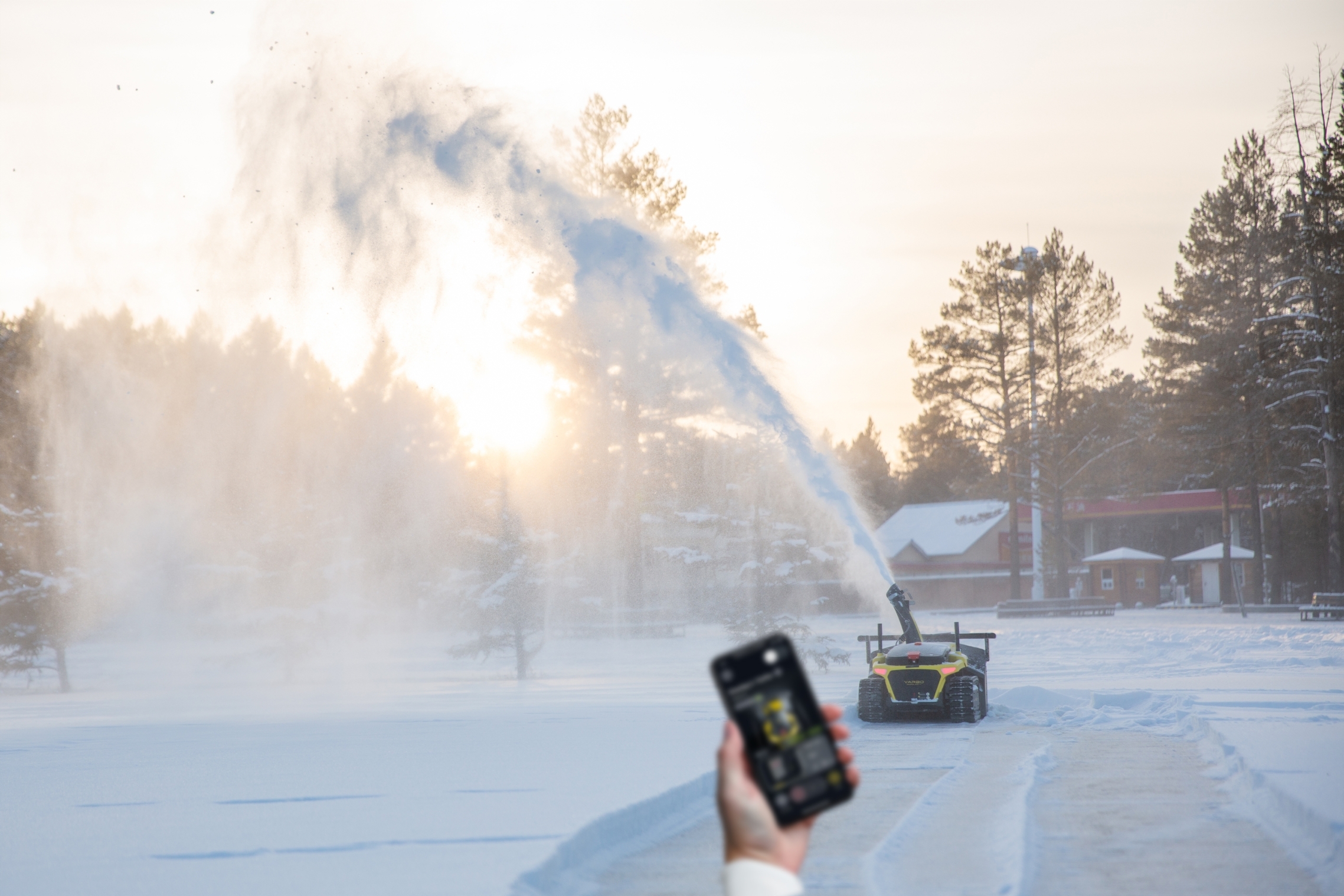
Imagine this: a heavy snowstorm hits overnight. You’re asleep while Yarbo begins its scheduled run. Midway through, a network outage hits your WiFi.
.jpg?w=2214&h=1661)
For most robotic snow blowers, this would mean a stop. But Yarbo simply switches to LTE, continues operating, and keeps you updated via app notifications.
Even if LTE coverage weakens, Yarbo’s Bluetooth mesh and local control maintain responsiveness. This seamless handover between networks ensures the robot never pauses, even in extreme winter conditions.
That’s not just convenience—it’s true reliability.
From Smart Gadget to Smart Partner: How Yarbo Empowers Users?
Many homeowners view robotic snow blowers as futuristic toys, but Yarbo proves otherwise. It’s a serious productivity tool that redefines outdoor maintenance.
With intelligent connectivity, Yarbo does more than just clear snow. It gives you time back—to rest, spend with family, or focus on what matters. It’s built for people who value independence, safety, and precision, not just tech novelty.
As one user from Ontario put it, “I used to dread shoveling at 6 AM before work. Now, Yarbo does it for me—and I just check my phone with a coffee in hand.”
Future-Ready Connectivity for Smart Yards
Yarbo’s connectivity systems aren’t just about today—they’re about tomorrow. With WiFi HaLow and modular architecture, Yarbo is designed for seamless integration with future smart home networks, AI assistants, and yard sensors.
This future-ready framework means that your investment grows smarter over time, not obsolete. Whether it’s autonomous mowing, snow clearing, or leaf blowing, Yarbo ensures your yard is always in sync with the latest tech advancements.
Conclusion
Yarbo isn’t just another robotic snow blower it’s an intelligent system built for real-life conditions and tested in real life conditions. With its Quad-Network Redundancy and WiFi HaLow connectivity, it offers peace of mind, safety, and freedom from winter’s toughest chores.
For homeowners in the U.S. Canada and Europe, Yarbo represents more than innovation it’s a reliable winter companion that works when you need it most.
So when the snow starts falling, don’t just clear it. Conquer it, with Yarbo.
FAQs
1. What makes WiFi HaLow better than traditional WiFi for outdoor devices?
WiFi HaLow operates on sub-1GHz bands, giving it longer range and better signal penetration—ideal for large outdoor areas.
WiFi HaLow operates on sub-1GHz bands, giving it longer range and better signal penetration—ideal for large outdoor areas.
2. How does Yarbo switch between its four network layers?
Yarbo uses an intelligent priority system that automatically transitions between WiFi HaLow, LTE, Bluetooth, and direct app control without user input.
Yarbo uses an intelligent priority system that automatically transitions between WiFi HaLow, LTE, Bluetooth, and direct app control without user input.
3. Will the connection stay stable during extreme cold?
Yes. WiFi HaLow and LTE signals remain reliable even in freezing temperatures, ensuring consistent communication.
Yes. WiFi HaLow and LTE signals remain reliable even in freezing temperatures, ensuring consistent communication.
4. Can I monitor Yarbo while traveling?
Absolutely. The LTE connection allows you to track Yarbo’s progress and control it remotely from anywhere.
Absolutely. The LTE connection allows you to track Yarbo’s progress and control it remotely from anywhere.
5. Is Yarbo compatible with future smart devices?
Yes, Yarbo’s system is designed for IoT scalability, meaning it can easily integrate with new smart technologies over time.
Yes, Yarbo’s system is designed for IoT scalability, meaning it can easily integrate with new smart technologies over time.
6. How far can Yarbo’s WiFi HaLow signal reach?
Yarbo’s WiFi HaLow technology provides exceptional long-range connectivity. In open environments, it can achieve data transmission over 500 meters, while maintaining a coverage range of around 200 meters even with obstacles such as trees or walls. The transmission rate remains steady at approximately 10 Mbit/s, ensuring reliable performance. Under ideal conditions, the signal can extend up to 1 kilometer (0.6 miles) making it perfectly suited for large and complex outdoor properties.
Yarbo’s WiFi HaLow technology provides exceptional long-range connectivity. In open environments, it can achieve data transmission over 500 meters, while maintaining a coverage range of around 200 meters even with obstacles such as trees or walls. The transmission rate remains steady at approximately 10 Mbit/s, ensuring reliable performance. Under ideal conditions, the signal can extend up to 1 kilometer (0.6 miles) making it perfectly suited for large and complex outdoor properties.
-7.png?w=1001&h=621)
 Private group · 33.0K members