.png?w=2214&h=1600)
Quick Answer: While manual shoveling is free of initial equipment costs, automatic snow clearing equipment delivers superior long-term financial value, reduces critical health risks, and generates significant time savings (up to 40+ hours per season), often making it the cheaper option within 1–3 years.
When winter storms hit, homeowners instantly feel the pressure of clearing snow from driveways, walkways, and entry paths. Snow clearing equipment helps reduce the physical burden, prevent injuries, and save time especially in regions with repeated heavy snowfall. Without proper tools, homeowners face increased risks of back strain, heart-related emergencies, and hours of exhausting labor.
Many people still rely on manual snow removal because it appears “cheaper,” but once you consider health risks, time value, and long-term winter patterns, the cost equation changes dramatically. That’s why understanding the true cost of manual snow clearing vs automatic systems is essential.
Table of Contents:
What Counts as Snow Clearing Equipment?
Snow clearing equipment includes all mechanical devices designed to remove snow efficiently. This includes:
-
Automatic snow cleaner (robotic or semi-robotic units)
-
Snow blowing machine (electric or gas-powered blowers)
-
Two-stage and three-stage blowers
-
Electric pushers
-
Walk-behind snow throwers
In this article, the main comparison focuses on:
-
Automatic Snow Cleaners
-
Manual Snow Removal (shovel, manual tools, labor-based clearing)
We will also highlight how a snow blowing machine ties into the cost structure.
How Automatic Snow Cleaners Work?
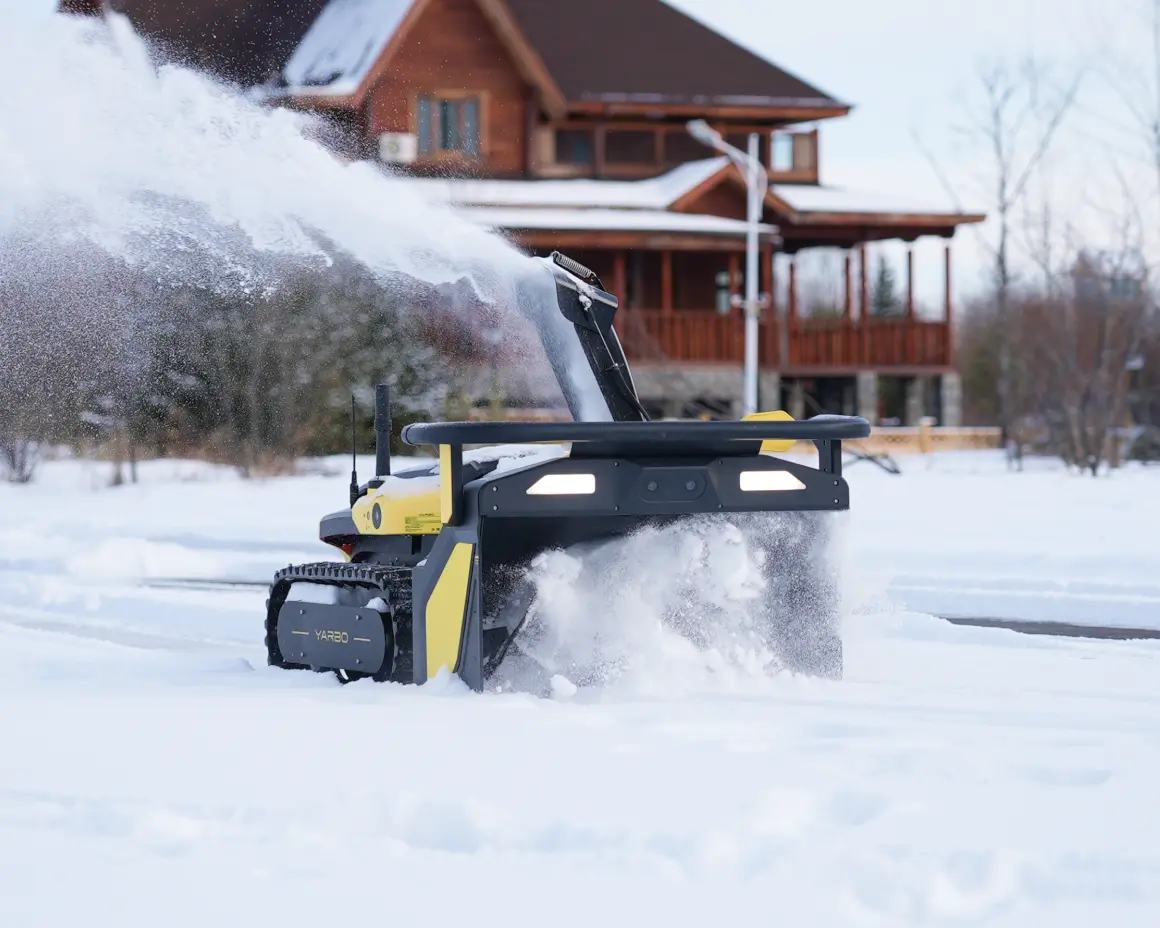
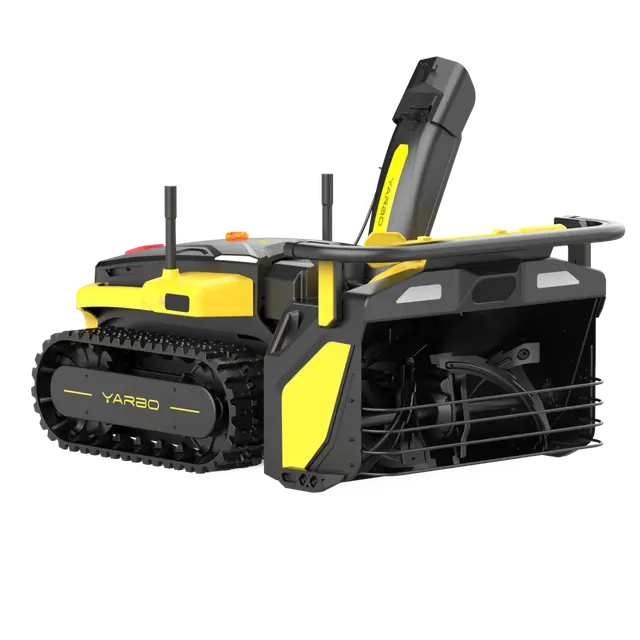
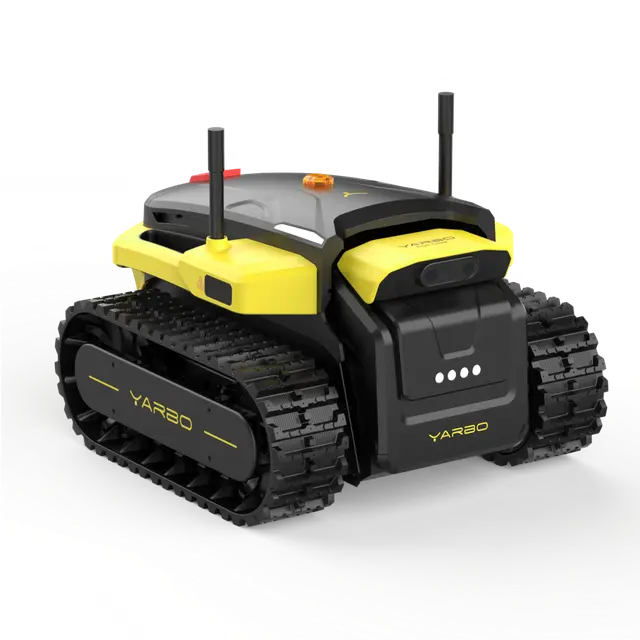
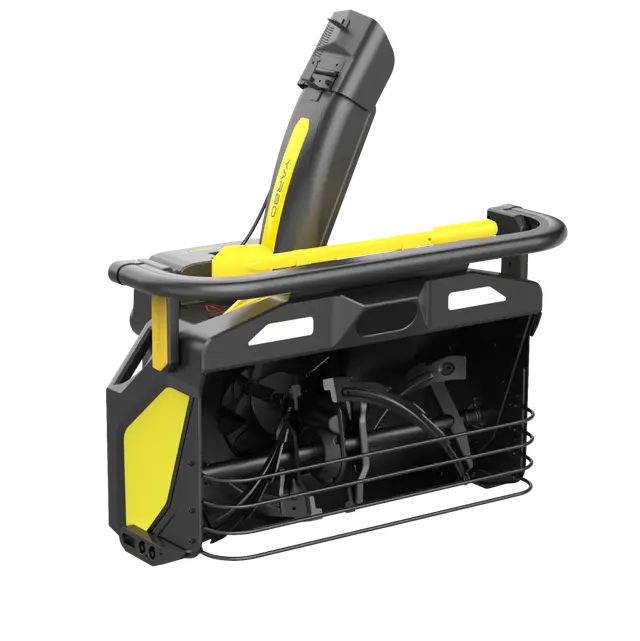
Automatic snow cleaners use sensors, brushless motors, augers, and navigation technology (sometimes even GPS mapping) to remove snow without requiring constant user input. Some models are autonomous; others are semi-automatic and need light supervision.
How They Operate
-
Scoops or blows snow through an auger mechanism
-
Throws snow several feet away to clear paths
-
Runs on electricity or battery power
-
Some robotic units can be controlled via mobile apps
-
Capable of clearing driveways, sidewalks, patios, and walkways
Snow clearing equipment like this eliminates repetitive and strenuous labor, making it ideal for homeowners who experience regular storms.
Pros & Cons of Automatic Snow Clearing Equipment
Pros of Automatic Snow Cleaners
-
Massive time savings during peak winter
-
No physical strain — no back injuries or slips
-
Consistent, high-quality cleaning even after multiple storms
-
Cost-effective long term compared to hiring workers
-
Works well for larger properties
-
Reduced dependency on salt and chemicals
-
Easy to operate compared to manual tools
Cons of Automatic Snow Cleaners
-
Higher upfront cost
-
Some machines require routine maintenance
-
Battery units may struggle in extreme cold
-
Not ideal for steep driveways
-
Needs dedicated storage space during off-season
Still, for homeowners with long winters, heavy snowfall, or large driveways, these machines often pay for themselves within 1–3 seasons.
What Does Manual Snow Removal Really Cost?
Manual snow shoveling appears inexpensive at first glance, but that’s only true if you ignore the hidden costs.
.png?w=1280&h=720)
Physical Strain & Health Impact
Shoveling causes:
-
Back injuries
-
Muscle strain
-
Wrist and shoulder damage
-
Risk of slip-and-fall injuries
-
Heart strain during heavy exertion
According to the American Heart Association, snow shoveling is a high-risk activity for individuals over 45. Medical treatment costs can easily exceed the price of snow clearing equipment.
Time Investment & Opportunity Cost
Manual clearing often requires:
-
30–90 minutes per session
-
10–30 sessions per winter (depending on region)
-
10–40+ hours of labor per season
Imagine the value of 40 hours of your time — especially during holidays, bad weather, or workdays.
Detailed Cost Breakdown: Automatic vs Manual Removal
The following table compares the typical costs and hidden burdens of each method.
| Cost Factor | Manual Snow Removal (Shovel/Hired Labor) | Automatic Snow Cleaner (Electric/Robotic) |
| Initial Equipment Cost | Low (Shovel: $10-$50) | High ($1,200-$3,500+) |
| Annual Operating Costs | Labor Fees (if hiring service) or Zero | Low ($5-$20 for electricity per winter) |
| Time Investment (Labor) | 10-40+ hours per season | Near Zero (Fully autonomous operation) |
| Maintenance/Fuel | None (Shovel); High (Hired Labor) | Low (Battery maintenance, cleaning residue) |
| Health Risks | High (Heart strain, back injuries) | Low (No physical strain required) |
| Long-Term ROI | Negative (High cost in health/time) | Positive (Often pays for itself within 1–3 seasons) |
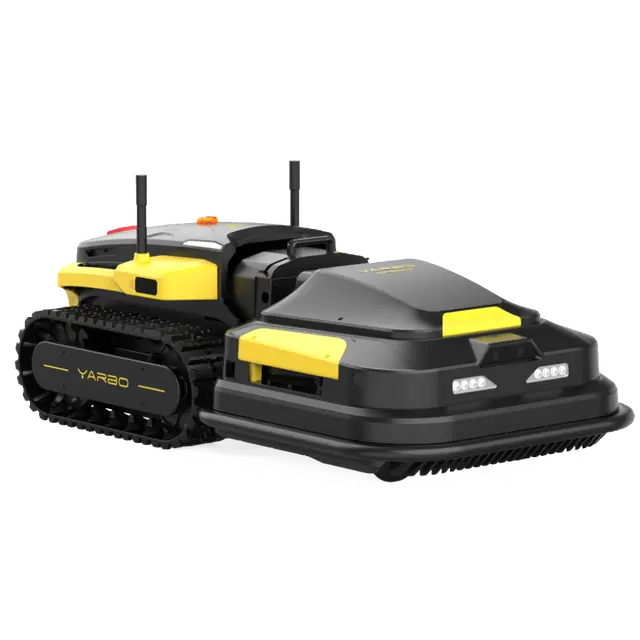
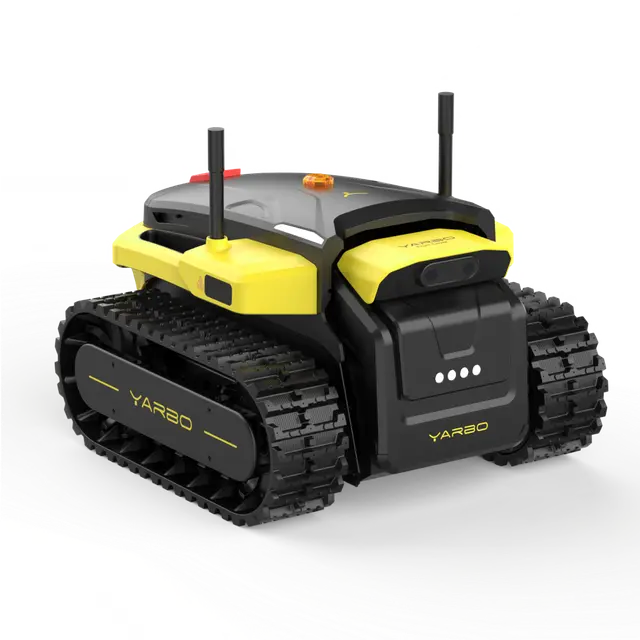
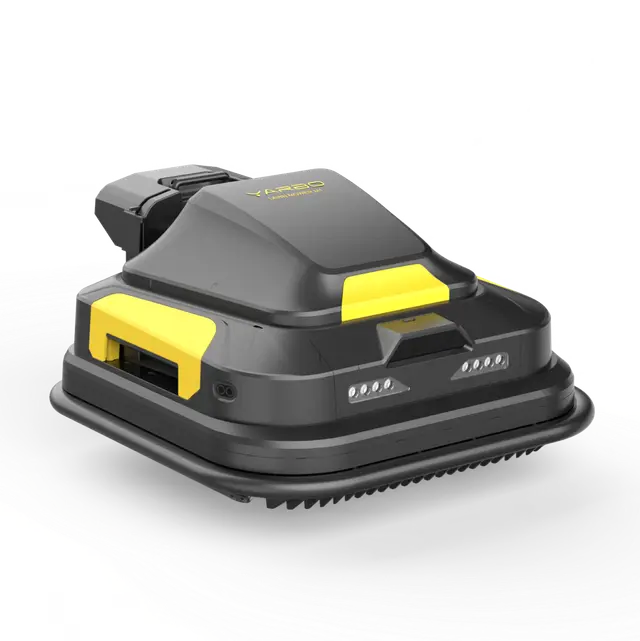
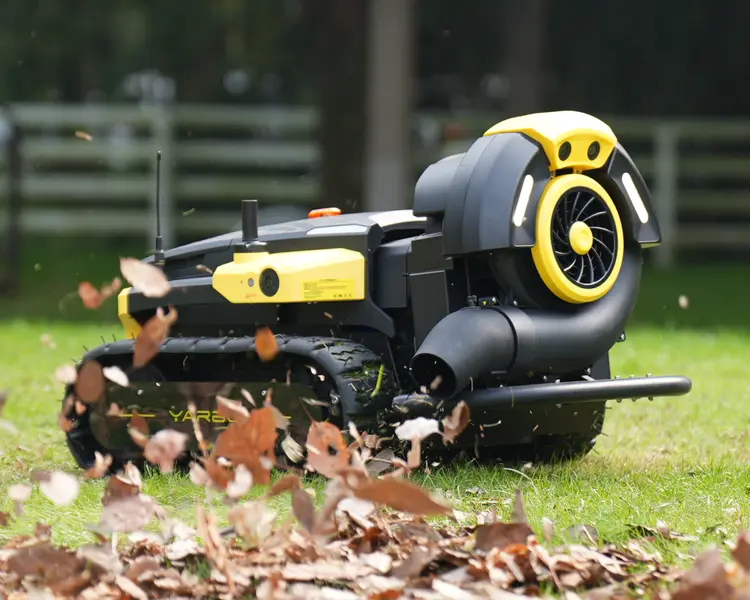
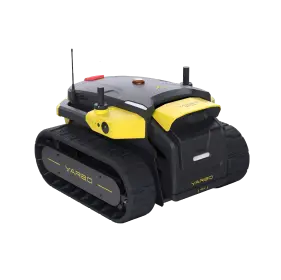
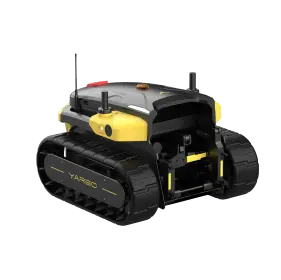
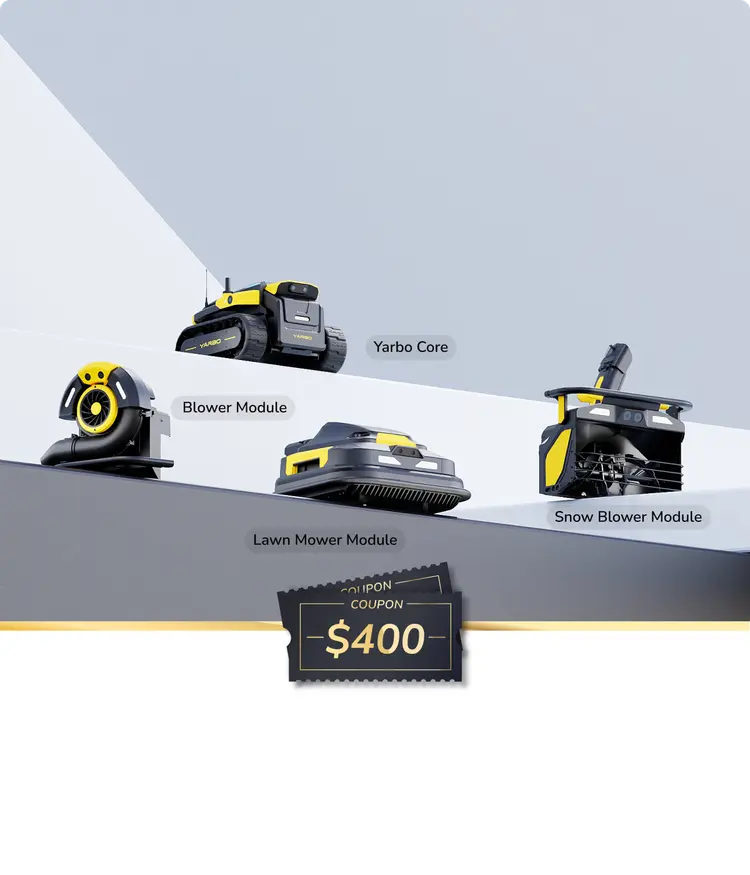
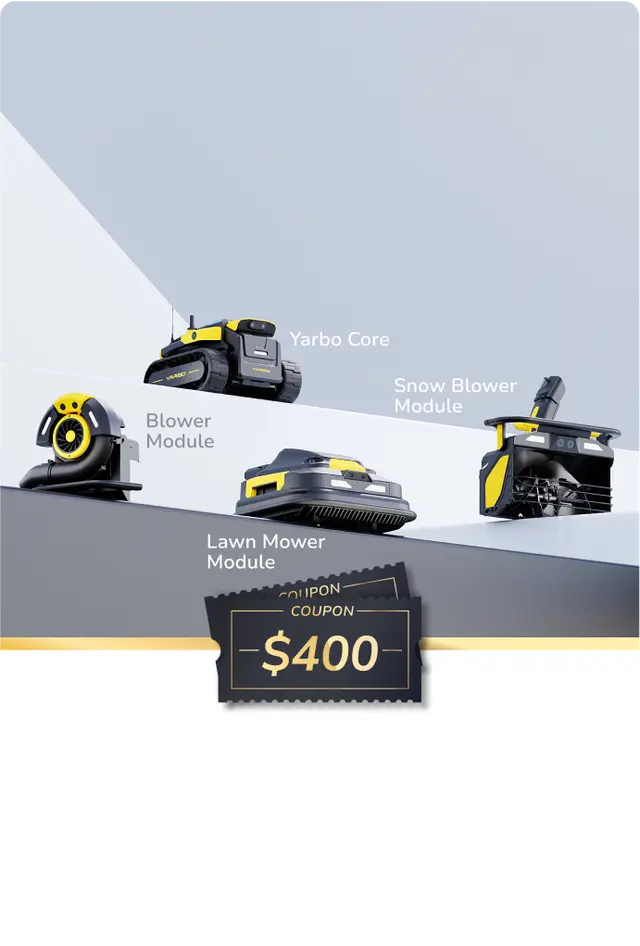
For systems like the modular Yarbo, the economic justification is even stronger, as the avoidance of annual contractor fees and the replacement of multiple seasonal tools can lead to significant 5-year savings.
Upfront Equipment Costs
-
Electric snow blowing machines: $250–$900
-
Gas-powered blowers: $700–$1,800
-
Automatic snow cleaners: $1,200–$3,500+
Long-Term Operating Costs
-
Electricity: $5–$20 per winter
-
Fuel (for gas blowers): $10–$40 per winter
-
Maintenance: occasional oil, belts, or lubrication
Hidden Costs of Manual Snow Removal
-
Doctor visits
-
Chiropractic treatments
-
Missed workdays
-
Injury-related expenses
-
Significant time loss
This makes snow clearing equipment the smarter long-term investment.
Performance Comparison: Which Method Works Best?
Efficiency in Heavy Snow
Automatic machines deliver:
-
Faster clearing
-
More uniform cleaning
-
Better performance in deep snow
-
Stronger snow throwing power
Manual shoveling simply can’t match this — especially through dense or wet snow.
Safety & Accessibility
Automatic equipment reduces:
-
Risk of slipping on ice
-
Backbreaking labor
-
Need to shovel late at night or early morning
-
Painful cold exposure
For older adults or busy homeowners, this is a major benefit.
Why Investing in Snow Clearing Equipment Makes Sense
A single heavy winter can justify the investment.

The machine:
-
Prevents injuries
-
Saves 30–40+ hours per season
-
Boosts property accessibility
-
Works for several winters in a row
-
Adds convenience that manual tools never offer
This is why more homeowners are switching to automatic snow cleaners or a powerful snow blowing machine instead of shovels.
When Manual Snow Removal Is Still Practical
Manual tools can work when:
-
You live in a low-snowfall area
-
You have a small walkway or short driveway
-
You enjoy the physical activity
-
You are on a tight budget
-
Storage space is limited
In all other cases, equipment beats manual removal.
How to Choose the Right Snow Clearing Equipment?
Consider:
-
Snowfall frequency
-
Driveway length
-
Budget
-
Machine weight
-
Terrain
-
Storage space
-
Electric vs gas vs robotic units
For smaller spaces, electric blowers work fine.
For heavy snow regions, a two-stage or robotic unit is ideal.
Tips for Maximizing Your Automatic Snow Cleaner
-
Store indoors during the off-season
-
Clean snow residue after each use
-
Lubricate moving parts before winter
-
Charge batteries properly
-
Avoid overloading the auger
-
Clear obstacles ahead of time
These steps extend the lifespan of your snow clearing equipment.
Conclusion
The final verdict is clear: snow clearing equipment whether an automatic snow cleaner or a snow blowing machine — delivers better long-term value, reduces physical strain, and saves countless hours during winter. While manual snow removal is affordable upfront, it becomes costly over time when factoring in health risks and labor.
Homeowners in moderate to heavy snow regions should strongly consider investing in a machine that offers consistency, safety, and long-term efficiency.
FAQs
1.Is snow clearing equipment worth the investment?
Yes. If you experience more than 5 snowfalls per winter, equipment saves time, reduces health risk, and pays for itself long term.
2.What is the difference between an automatic snow cleaner and a snow blowing machine?
An automatic cleaner can operate without constant supervision, while a snow blowing machine requires manual operation.
3.Does manual snow removal have hidden costs?
Yes — health risks, time loss, and physical strain often outweigh the low upfront cost of a shovel.
4.How long does a snow blower last?
Most snow blowing machines last 8–15 years with proper maintenance.
5.Is electric or gas-powered better?
Electric is low-maintenance; gas is better for deep snow and large driveways.
-7.png?w=1001&h=621)
 Private group · 33.0K members