.png?w=2560&h=1440)
Standing at the edge of your yard, you glance at the tall grass and wonder how long does it take to mow the lawn. Whether you’re a seasoned gardener or a first-time homeowner, knowing approximately how long it takes to mow the lawn can help you plan your weekend and pick the right equipment.
In this article, we’ll explore the key factors that influence mowing time, provide time estimates for different yard sizes, show you how to calculate your own mowing time, and share pro tips including how the Yarbo robotic mower makes mowing the lawn faster and easier.
Key Factors Affecting Time to Mow The Lawn
Mower Type
The type of mower you use is crucial. Push mowers (manual) are great for small yards but take longer on larger areas. Self-propelled mowers reduce physical strain and often mow 3-4 mph. Riding mowers are fastest, covering large lawns quickly.
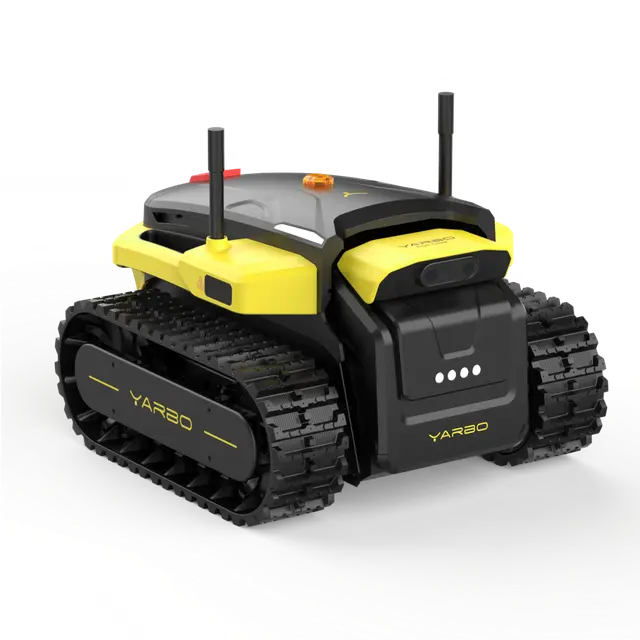
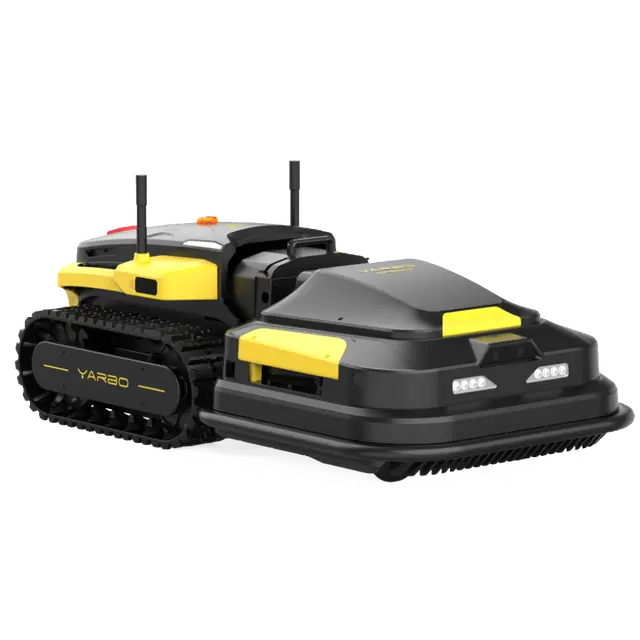
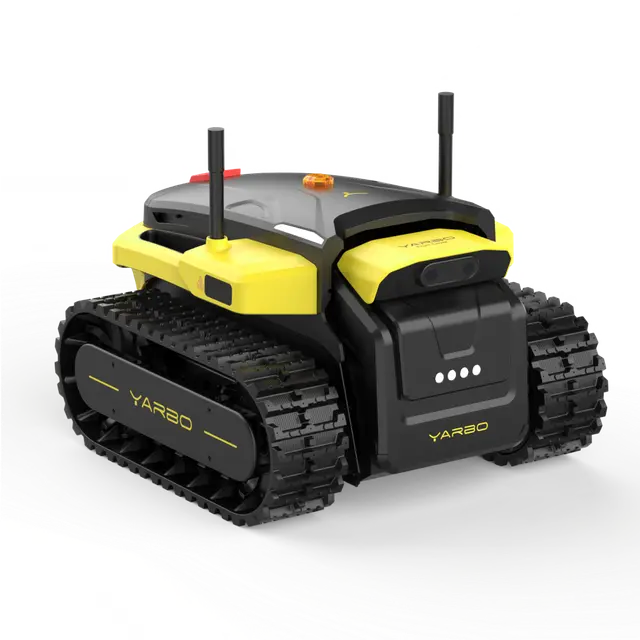
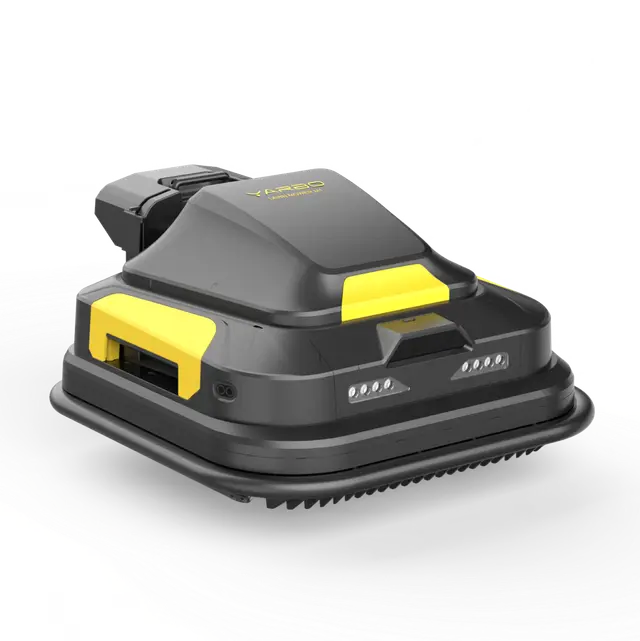
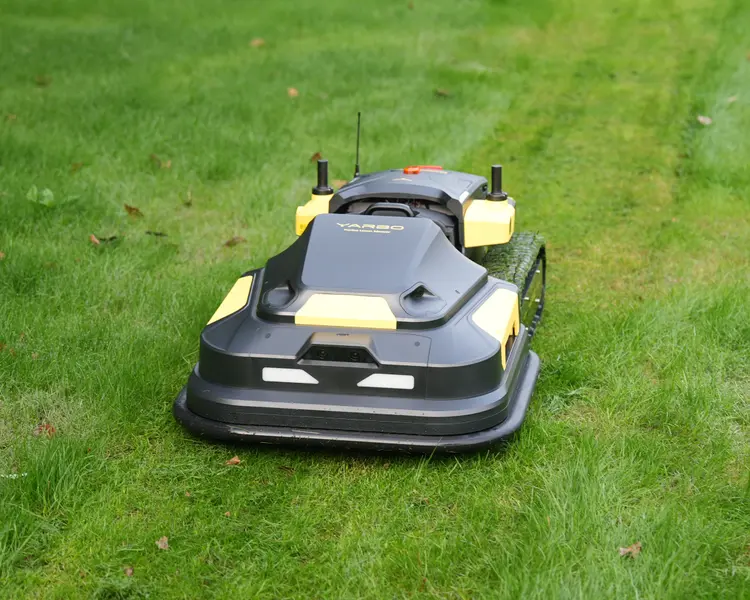
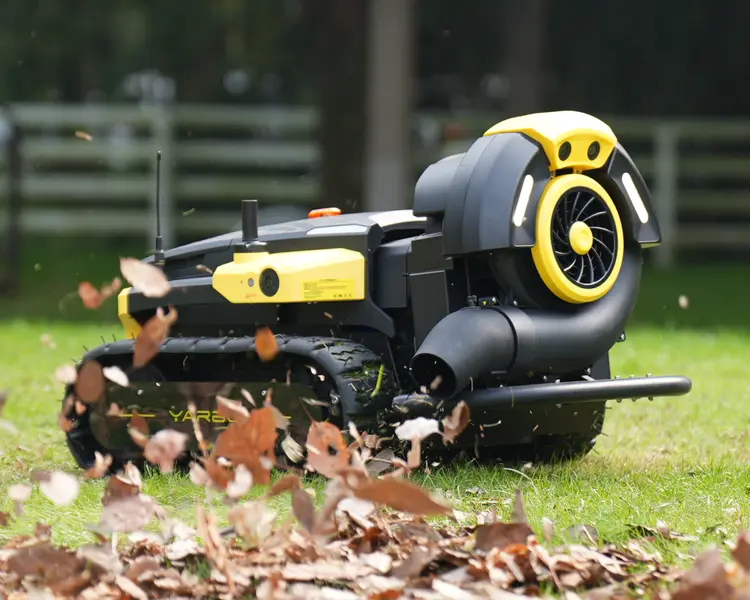
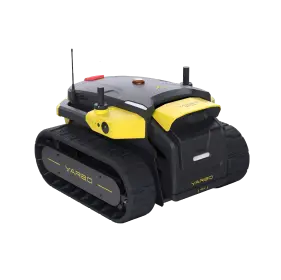
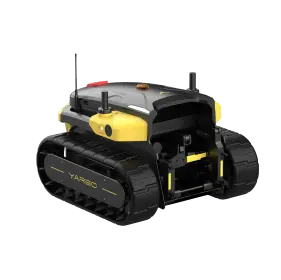
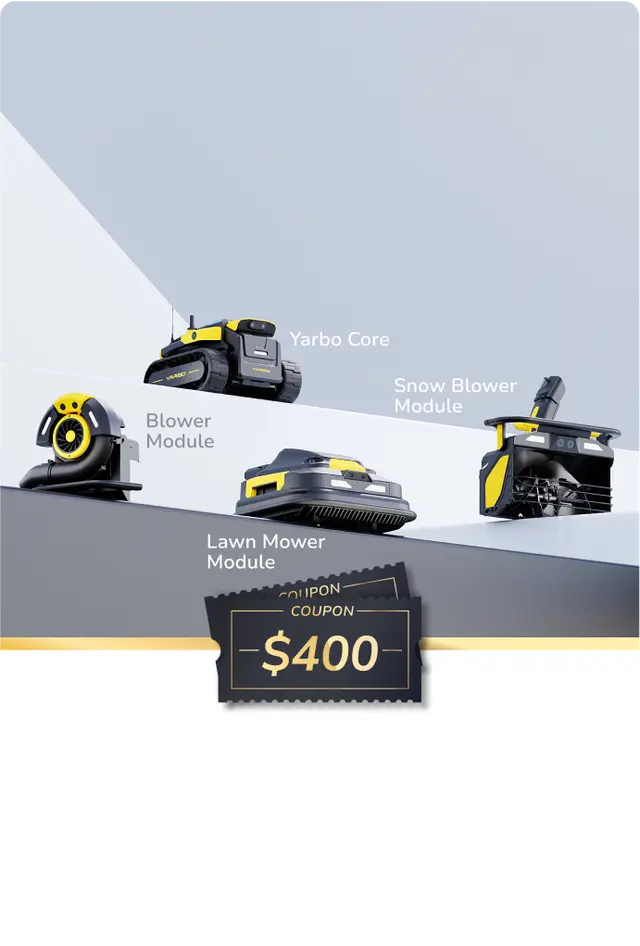
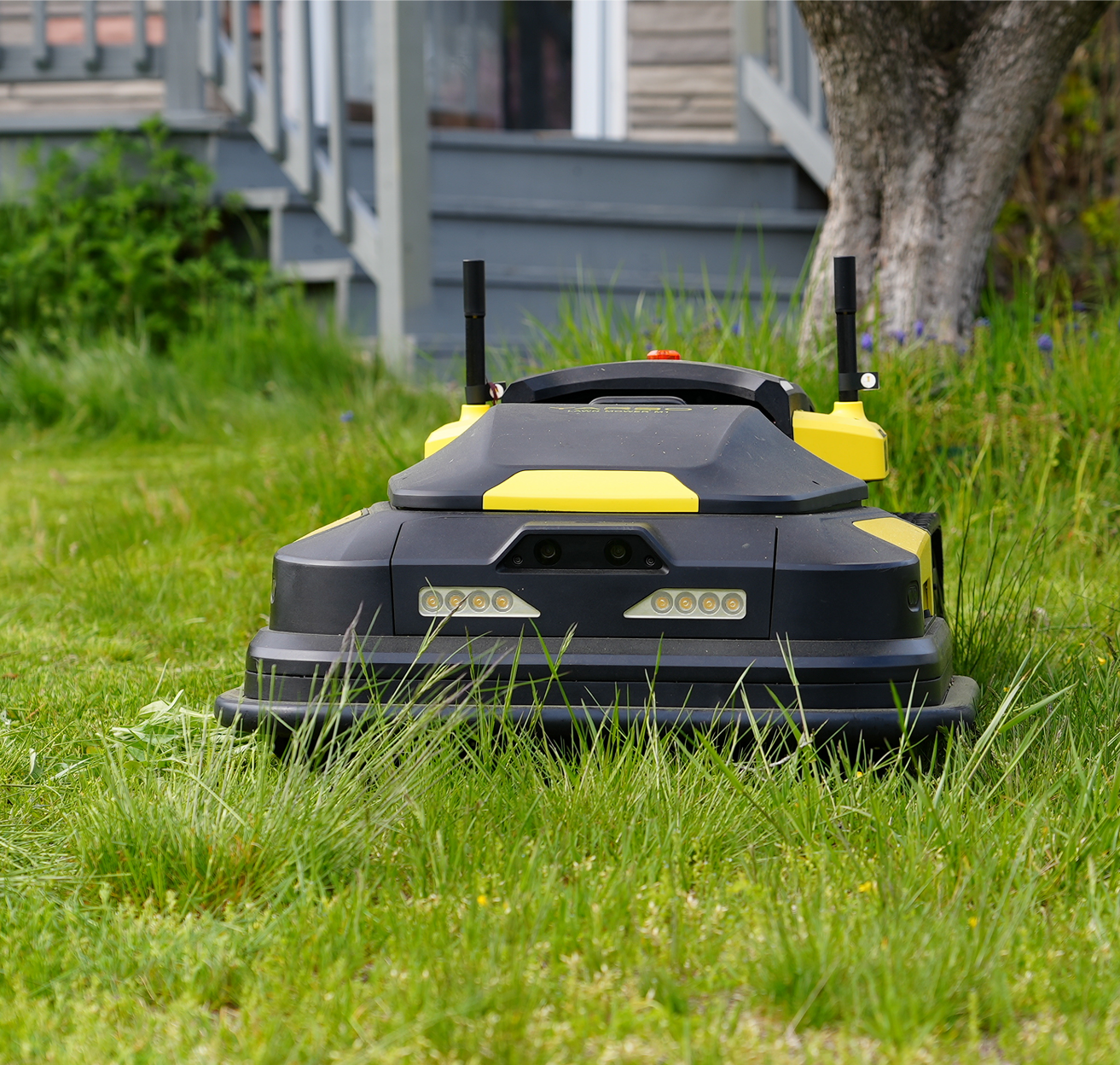
The Yarbo robotic mower uses a tracked base and dual cutting discs, making it a smart choice for large or complex lawns.
Terrain and Landscape Features
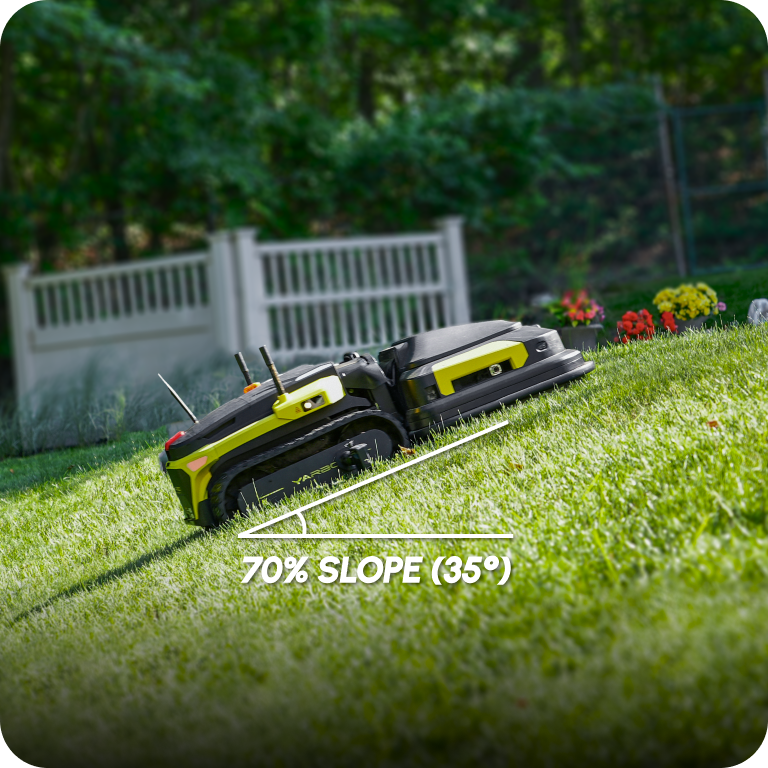
The terrain of your yard plays a crucial role in how long to cut grass. A flat, open lawn is much quicker to mow compared to a yard with slopes, hills, or uneven ground. Mowing on slopes requires more caution and slower speeds to ensure safety and an even cut, which can double or even triple the time needed to mow the lawn.
Additionally, yards with numerous landscape features such as trees, flower beds, shrubs, and garden ornaments require more maneuvering around obstacles.
Each time you have to turn or go around an obstacle, it adds to the overall mowing time. Yarbo’s zero-turn mowers excel here, allowing sharp 360° turns to effortlessly maneuver around obstacles—perfect for yards that demand precision.
Yarbo mowers excel here with 360° smart obstacle avoidance and flexible decks to reduce wasted motion.
Grass Condition
Tall, thick, or wet grass slows mowing and may require multiple passes. Yarbo’s Lawn Mower Pro handles overgrown and wet grass efficiently with optional mulching blades and high power.
How Long Does It Take to Mow The Lawn by Size
These are estimates based on a relatively flat yard with moderate obstacles, mowing regularly maintained grass (not overgrown) with a typical mower for that size. Times include trimming/edging unless specified.
| Lawn Size (Sq Ft) | Lawn Size (Acres) | Push Mower (14-22") | Self-Propelled (19-22") | Riding Mower (42") | Zero-Turn (42-54") | Includes Trimming/Edging? |
| 1,000 | ~0.02 | 20-30 mins | 15-25 mins | N/A | N/A | Yes |
| 5,000 | ~0.11 | 1.5-2 hours | 1-1.5 hours | 30-45 mins | 25-40 mins | Yes |
| 10,000 | ~0.23 | 3-4 hours | 1.75-2.5 hours | 45-70 mins | 35-60 mins | Yes |
| 15,000 | ~0.34 | 4.5-6 hours | 2.5-3.5 hours | 1-1.5 hours | 50-80 mins | Yes |
| 20,000 | ~0.46 | 6-8 hours | 3.5-4.5 hours | 1.25-1.75 hours | 1-1.5 hours | Yes |
| 1 Acre | 1 | 8+ hours (Impractical) | 4.5-6+ hours | 1.5-2 hours | 1-1.75 hours | Yes |
Key Notes on the Table:
- Trimming and edging often take 25-50% of total mowing time.
- Overgrown grass can add 50-100% more time, but [Yarbo reduces passes needed].
- Hilly or obstacle-heavy yards can add 25-50% more time.
- Small yards (<5,000 sq ft) may be better with a self-propelled or robotic mower than a riding mower.
Calculate Your Exact Mowing Time
Use this simplified formula as a starting point:
-
Measure your lawn area in square feet (subtract major obstacles).
-
Estimate mower speed (including trimming):
-
Push mower: 2,500-3,500 sq ft/hr
-
Self-propelled: 4,000-6,000 sq ft/hr
-
Riding mower (42" deck): 10,000-15,000 sq ft/hr
-
Zero-turn mower (42" deck): 12,000-18,000 sq ft/hr
-
[Robotic mower (Yarbo): Up to ~6 acres in good conditions]
-
-
Apply factors for complexity/grass condition:
-
+25% moderate slopes/obstacles
-
+50-100% for overgrown grass
-
+25% for damp or thick grass
-
-
Formula: Estimated Time (hrs) = (Lawn Area ÷ Mower sq ft per hour) × (1 + Complexity + Grass Factor)
Example: 12,000 sq ft lawn, moderate obstacles, self-propelled mower at 5,000 sq ft/hr. Base time = 12,000 ÷ 5,000 = 2.4 hrs. Add 25% for obstacles → total ≈ 3 hrs.
Pro Tips to Mow Faster
Keep your mower in top condition: Sharpen blades monthly, check oil, air filter, and tire pressure.
Choose the right mower for your yard: Large yards benefit from riding, zero-turn, or Yarbo robotic mowers to save time and effort.
Mow in an efficient pattern: Spiral or perimeter-first patterns reduce missed spots and unnecessary turns.
Mow at the right time: Early morning or late afternoon, when grass is dry, is ideal.
Follow proper mowing practices: Don’t cut more than one-third of grass height. Clear debris to avoid stops.
Trim and edge smartly: Use string trimmers and dedicated edging tools.
Consider mulching: Returns grass clippings to the lawn, saves bagging time. Yarbo supports mulching blades for tall or dense grass.
Keep Your Mower in Top Condition
A well-maintained mower is the key to fast and effective mowing. Regularly sharpen the mower blades, as dull blades not only make the mower work harder but also result in a ragged cut, which may require additional passes.
During the peak mowing season, it's recommended to sharpen the blades at least once a month. Additionally, check the air filter, oil level, and tire pressure regularly. A clean air filter ensures optimal engine performance, proper oil levels keep the engine running smoothly, and correct tire pressure helps with maneuverability, all contributing to faster mowing.
Choose the Right Mower for Your Yard
Selecting the appropriate mower for your yard size is crucial. For small yards, a push mower can be a practical choice but still tiring.
However, if you have a large yard, especially one over half an acre, upgrading to a self-propelled mower, or even a riding mower or zero-turn mower, can be a significant time saver. Don't try to use a push mower for a large area, as it will take much longer and tire you out quickly.
Mow in an Efficient Pattern
Mowing in a logical pattern can save a lot of time. For small yards, a simple back-and-forth pattern works well. For larger yards, consider a spiral or concentric pattern, starting from the outside and working your way in. This reduces the chances of missing spots and minimizes unnecessary turns. Another effective approach is to use the "perimeter pass" first around the edges, then mow long strips parallel to the longest edge of the yard. Avoid constant turning, and change the mowing direction each time to prevent the grass from leaning in one direction.
Mow at the Right Time
Avoid mowing during the peak heat of the day. Mowing when it's hot can be tiring for you and can also cause the grass to dry out and turn brown. Instead, aim to mow in the early morning or late afternoon when the temperature is cooler. The grass will also recover better after being cut during these times.
Additionally, always mow when the grass is dry. Mowing wet grass is slow, messy, unhealthy for the lawn, and can clog your mower. Wait until the dew has evaporated in the morning or the grass has dried after rain.
Follow Proper Mowing Practices
Never cut more than one-third of the grass blade height at once. Frequent mowing is faster, easier on your mower, and healthier for the lawn.
A sharp blade cuts cleanly and efficiently, while dull blades tear the grass, slow you down, and can invite diseases. Before you start mowing, clear the area of toys, sticks, hoses, and large debris. This prevents clogs, damage to the mower, and unnecessary stops and starts.
Trim and Edge Smartly
Use a string trimmer after mowing to tidy up the edges. Keep the trimmer lines at the correct length and use the edge of the string, not the tip, for greater efficiency. For crisp borders along driveways and walks, consider using dedicated edging tools.
Consider Mulching
If suitable for your grass type, mulching can be a great time-saving option. Mulching returns the grass clippings to the lawn, nourishing the soil and eliminating the time-consuming task of bagging or raking. Make sure to use a sharp mulching blade for best results. Watch Yarbo Time-Saving Demo!
Conclusion
The time it takes to mow your lawn depends on mower type, terrain, grass condition, and yard size. By understanding these factors and using the right equipment, such as the Yarbo robotic mower with dual motors and modular design, you can estimate your mowing time accurately and finish faster.
Whether you’re a weekend gardener or professional landscaper, choosing the right tool makes mowing less effort and keeps your yard looking great.
FAQ
Q: How long to cut overgrown grass?
A: Yarbo blades can handle overgrown grass in 1.5× normal time.
Q: Does cutting long grass take longer?
A: Yes, overgrown grass can double or triple mowing time. Yarbo mowers reduce passes and effort.
Q: How long after rain can I mow?
A: Wait until the grass is dry (usually 24-48 hrs after rain). Wet grass slows mowing and can damage the lawn.
Q: Can Yarbo mow at night to save time?
A: Yes, with proper precautions and noise awareness. Nighttime mowing can be cooler and efficient.
-7.png?w=1001&h=621)
 Private group · 33.0K members