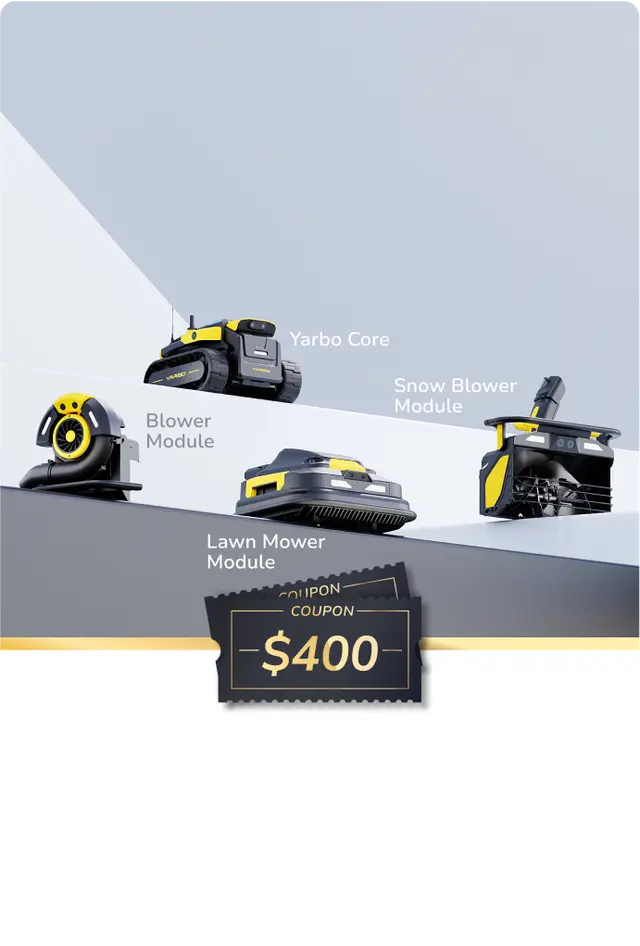
Quick Answer:
To achieve full winter readiness, you must first apply a slow-release fall fertilizer to strengthen your lawn's roots, and subsequently execute a detailed maintenance checklist for your snow management equipment, ensuring it is charged, inspected, and ready for the first snowfall.
As the vibrant colors of fall fade and temperatures drop, many homeowners overlook one of the most critical transitions of the year: preparing your lawn and equipment for winter. Fall fertilizer isn’t just for summer recovery—it plays a major role in winter lawn survival and ensures the spring bounce-back.
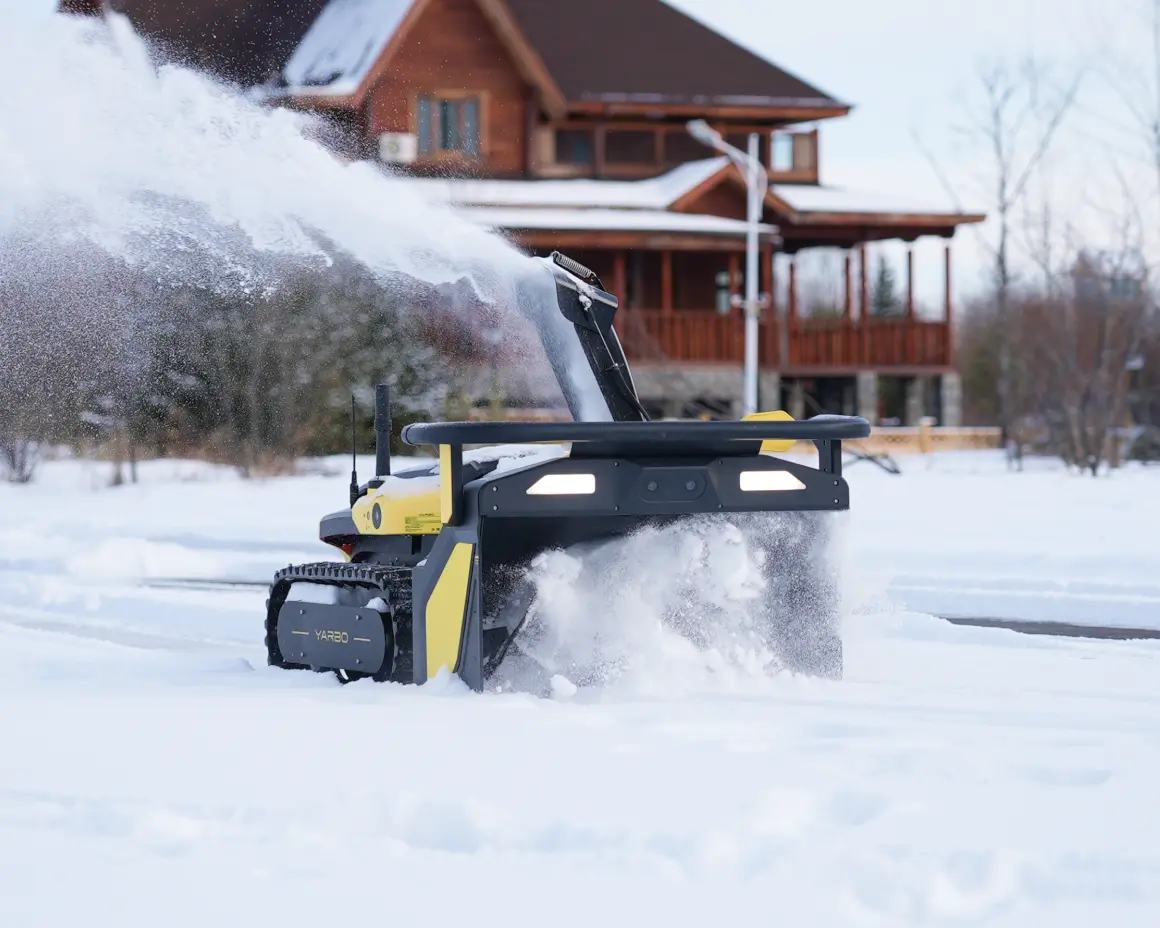
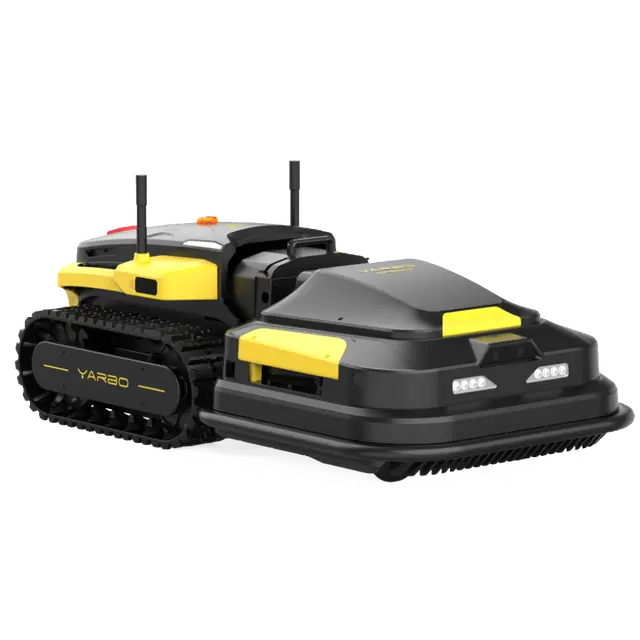
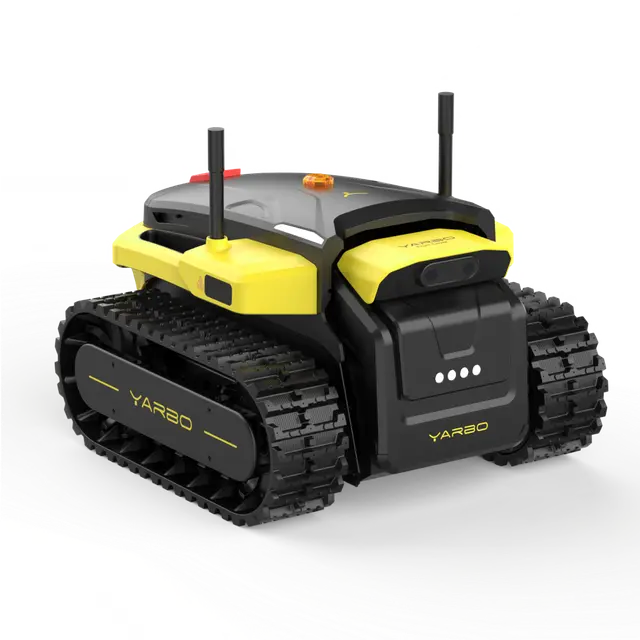
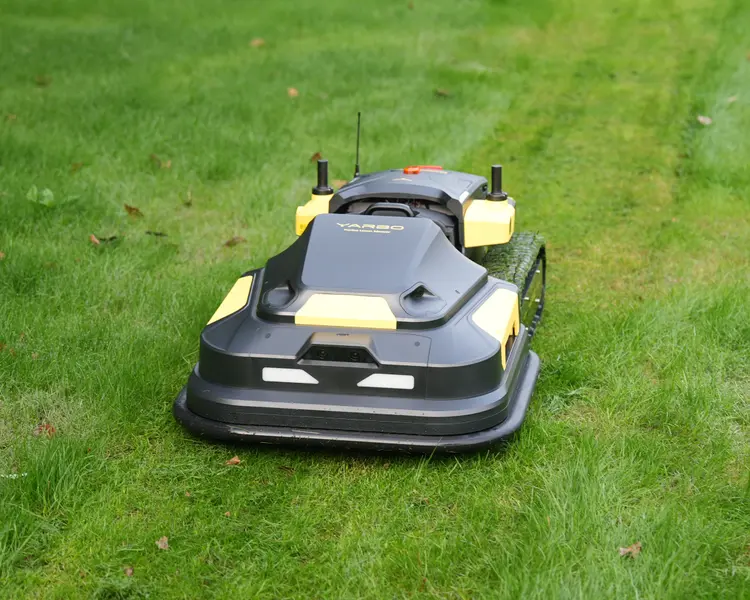
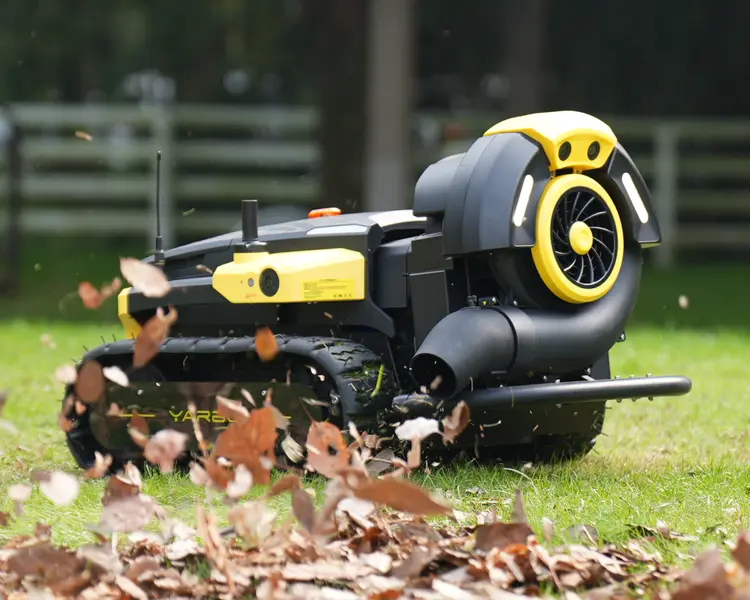
But what comes after that last fertilizer application? Enter the snow season and the need to keep driveways and walkways clear. With Yarbo’s electric snow blower, you can automate snow removal just like you do with mowing. This guide will walk you through the ultimate fall-to-winter yard prep—including fertilizer timing, snow blower maintenance, and why Yarbo’s multi-season yard robot might be your new best friend.
Table of Contents:
Why Fall Fertilizer Is the Key to Winter Lawn Health
Fall fertilizer acts as a survival kit for your lawn, providing the nutrients needed to recover from summer and prepare for freezing temperatures.
Consequences of Skipping Fall Fertilizer:
-
Poor spring growth.
-
Increased winter kill.
-
Weeds and disease spread.
-
Thin, weak grass.
Best Types of Fall Fertilizer for Winter Survival
-
Look for a slow-release, nitrogen-rich fertilizer.
-
The ideal N-P-K ratio should be close to 24-0-10 or similar.
-
Application should happen when the soil is still warm (usually late fall).
-
Ideal soil temperature is 55F (13C) or above.
Best Types of Fall Fertilizer for Winter Survival
Look for a slow-release, nitrogen-rich fertilizer labeled for fall use, also known as a winter lawn fertilizer. Phosphorus is key for root development, while potassium enhances cold hardiness.
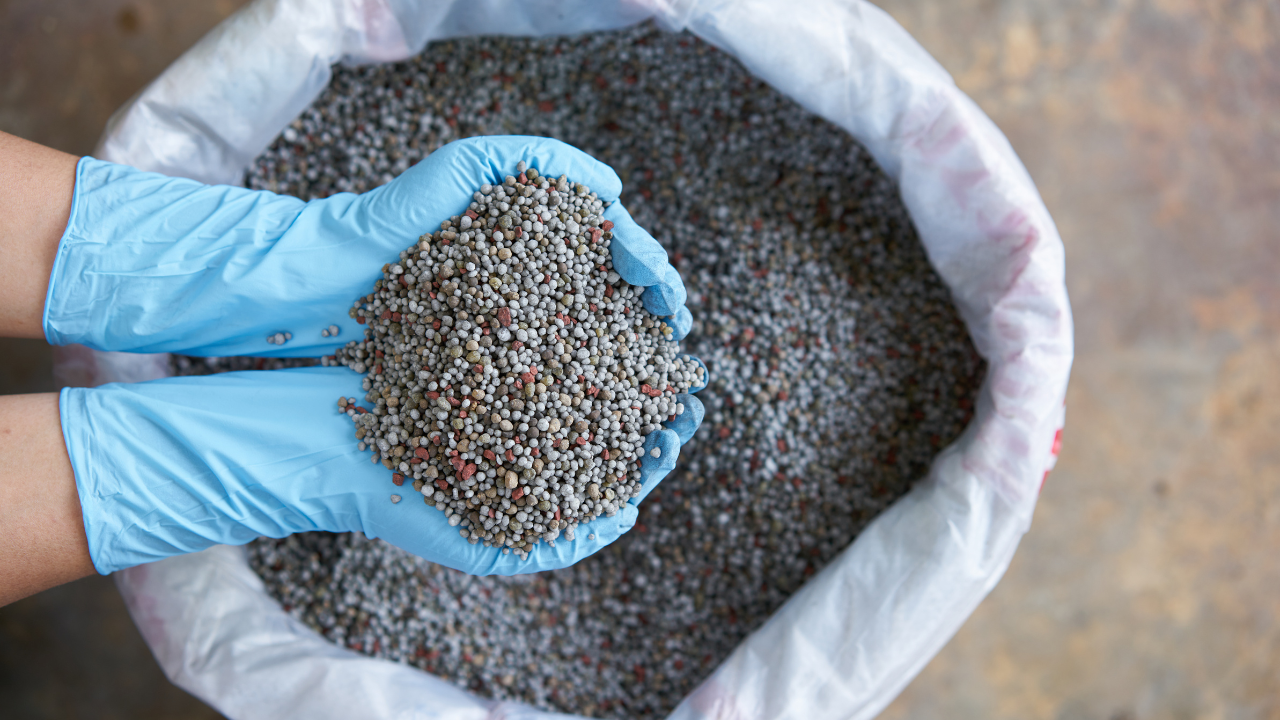
Pro Tip: Aim for an N-P-K ratio close to 24-0-10 or similar. Application should happen when soil is still warm, and lawn growth hasn’t fully stopped (usually late fall).
Step-by-Step Seasonal Lawn Care After Applying Fall Fertilizer
After applying the right fertilizer, your job’s not over. Follow this seasonal timeline:
How to Know Your Lawn Is Ready for Winter
-
Mowing: Keep cutting until growth stops, but don’t scalp it.
-
Raking: Remove leaves and debris to prevent snow mold.
-
Aeration: Highly recommended before fertilizing—especially for compact lawns.
-
Cleanup: Clear tools, store hoses, and winterize sprinkler systems.
What Happens If You Skip Winter Lawn Fertilizer?
Skipping fall fertilizer can lead to:
-
Poor spring growth
-
Increased winter kill
-
Weeds and disease spread
-
Thin, weak grass
Your lawn may look fine now, but without winter lawn fertilizer, it’ll struggle to bounce back—and weeds will take advantage.
Tracking Soil Temperature and Moisture
Use a cheap soil thermometer to make sure your fertilizer gets absorbed before the ground freezes. Ideal soil temp: 55°F (13°C) or above.
Snow Blower Preparation Checklist After Fall Lawn Care
Once your lawn’s set, it’s time to turn your attention to snow management. Whether you’re using a traditional machine or a cutting-edge robot like Yarbo, proper snow blower prep ensures you stay ready for the winter months.
Basics of Snow Blower Maintenance
-
Inspect belts and blades
-
Check fuel or charge batteries
-
Test starting mechanism
-
Replace or sharpen the auger if worn out
-
Apply lubricant where needed
Advanced Tip: Give your snow blower a test run before the first snowfall.
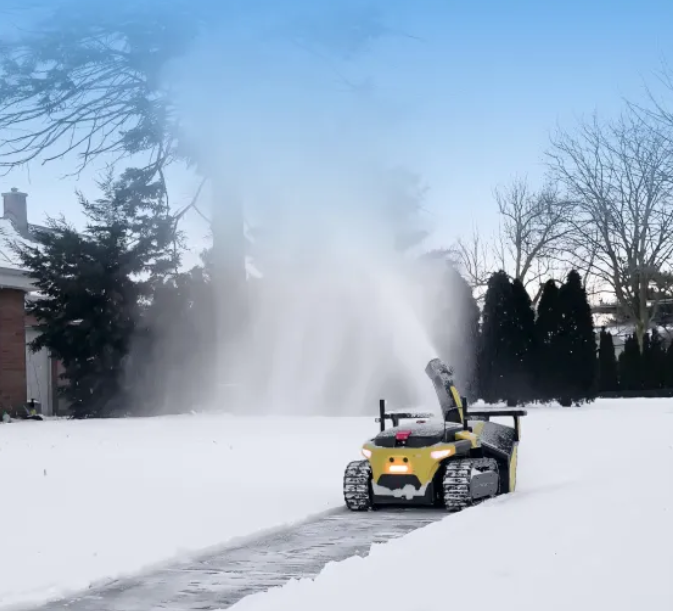
Should You Upgrade to a Robot Snow Blower?
Traditional gas blowers require fuel, maintenance, and manual labor in harsh weather. Enter the future: robot snow blowers.
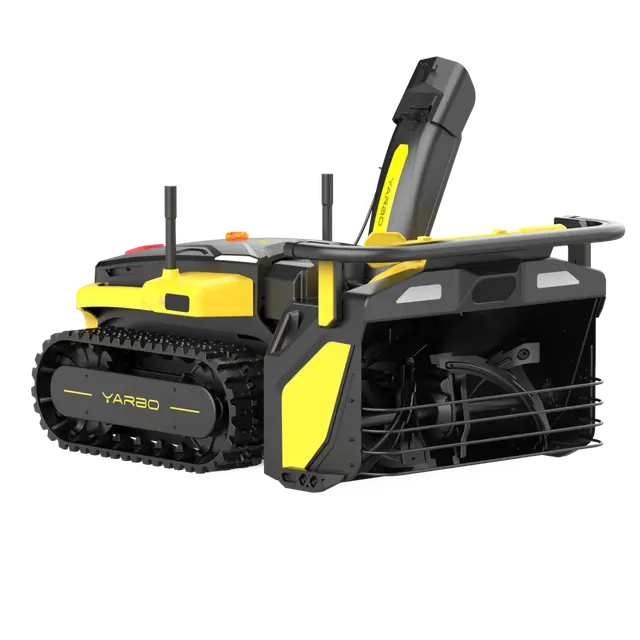
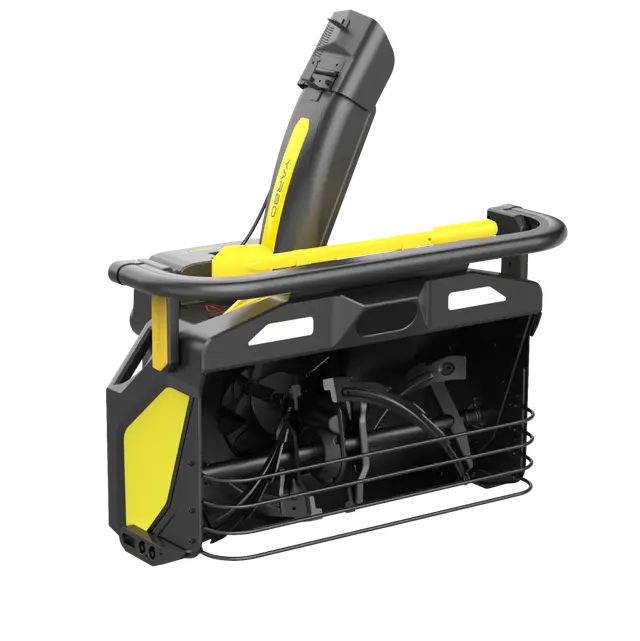
Yarbo’s Snow Blower makes winter prep easy with:
-
Wireless remote control
-
12 in intake height
-
Autonomous snow clearing
-
40 ft throw distance
-
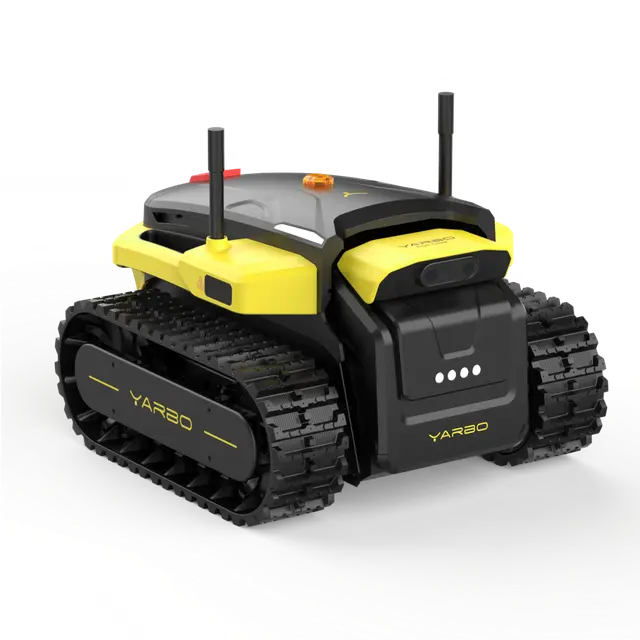
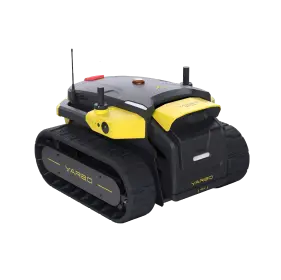
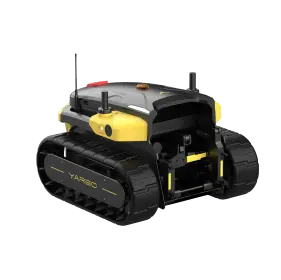
Compatible with Yarbo Multi-Functional Base Unit
Imagine clearing snow without stepping outside.
Why Upgrade to an Autonomous Snow Blower Robot?
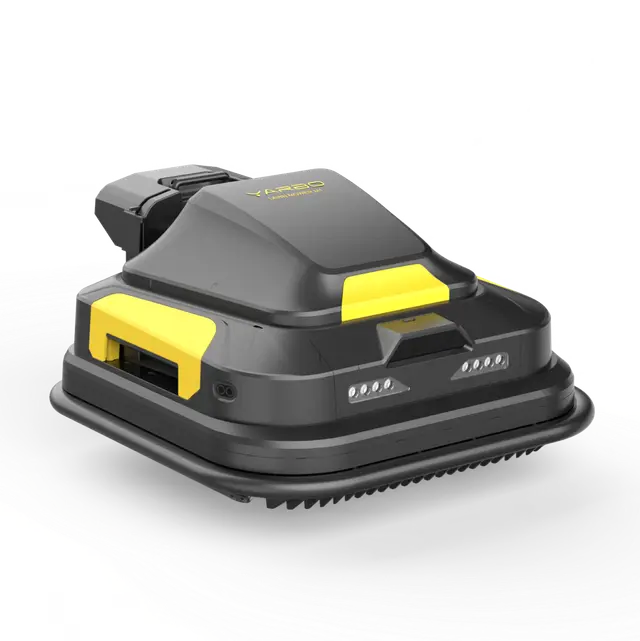
Traditional gas blowers require manual labor, fueling, and high maintenance. Robot snow blowers, such as the Yarbo modular unit, offer a modernized solution.
Yarbo Snow Blower vs. Traditional Gas Blowers
|
Feature
|
Yarbo Snow Blower (Autonomous)
|
Traditional Gas Blowers
|
|
Operation
|
Autonomous Clearing, Remote Teleoperation
|
Manual Push, Continuous Operator Required
|
|
Intake Height
|
12 in
|
Varies; often less autonomous capability
|
|
Throw Distance
|
Up to 40ft
|
Varies; requires manual aiming/control
|
|
Maintenance
|
Software Auto-Updates, Low Annual Effort
|
Engine Tune-ups, Oil/Belt Changes, Higher Complexity
|
|
Modularity
|
Yes (Interchangeable modules for mowing, blowing, plowing)
|
No; single-purpose tool
|
|
Safety
|
Obstacle Detection and Auto-Stop
|
Relies entirely on operator
|
Yarbo is not just a snow blower, but a complete yard assistant that acts as a multi-season investment.
Real UGC: What Users Say About Yarbo
“Yarbo changed the game for me! No more back pain in winter or hours mowing in summer.” – Verified Customer
“Splurged for the module—worth every penny during last winter’s blizzard.” – Community Review
Pro tip: Sign up for Yarbo’s newsletter and follow their official YouTube channel for launch announcements and product demos.
Conclusion: Winter Ready Starts with Fall Fertilizer
Lawn care and snow management are two sides of the same seasonal coin. By applying the right fall fertilizer and prepping your snow blower (or upgrading to Yarbo’s robot), you’ll be ready for winter and ahead of the curve next spring.
Visit Yarbo.com for robot snow blower deals, or use this guide as your seasonal yard checklist. Smart prep now saves hours of frustration later.
FAQs
1.When is the best time to apply fall fertilizer?
Typically when daytime temperatures are between 50–70°F and before soil freezes.
2.Should I use winter fertilizer if I’ve already fertilized in late summer?
Yes, fall fertilizer is formulated for cold weather resilience.
3.Can I use a robot snow blower if I don’t have a smart lawn?
Yes! Yarbo is location-aware via RTK GPS and doesn’t need boundary wires.
4.How much snow can Yarbo handle?
Yarbo’s Snow Blower can clear depth up to 12 inches depending on conditions.
5.Is robotic snow blowing safe?
Completely. Yarbo features obstacle detection and auto-stop features.
6.Can I swap Yarbo attachments mid-season?
Absolutely. The Base Unit supports all modules—just attach and go.
-7.png?w=1001&h=621)
 Private group · 33.0K members