When winter storms hit hard, your driveway, walkway, and yard can quickly become buried under inches—or even feet—of snow. That’s when the snow thrower vs snow blower debate becomes critical.
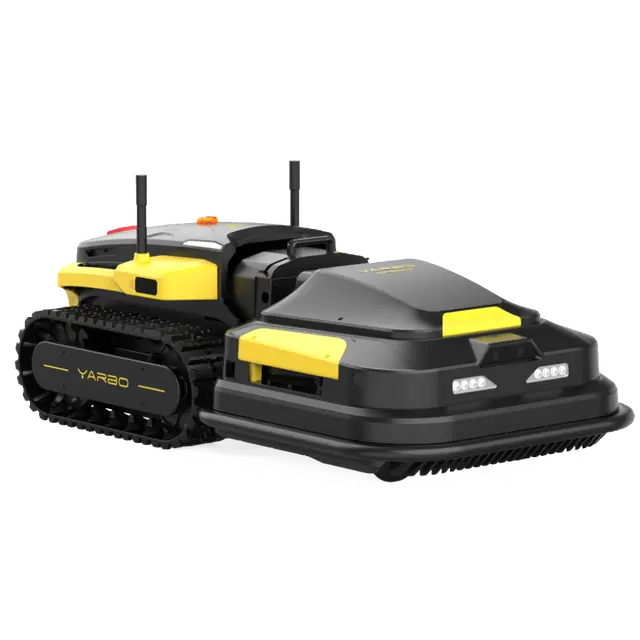
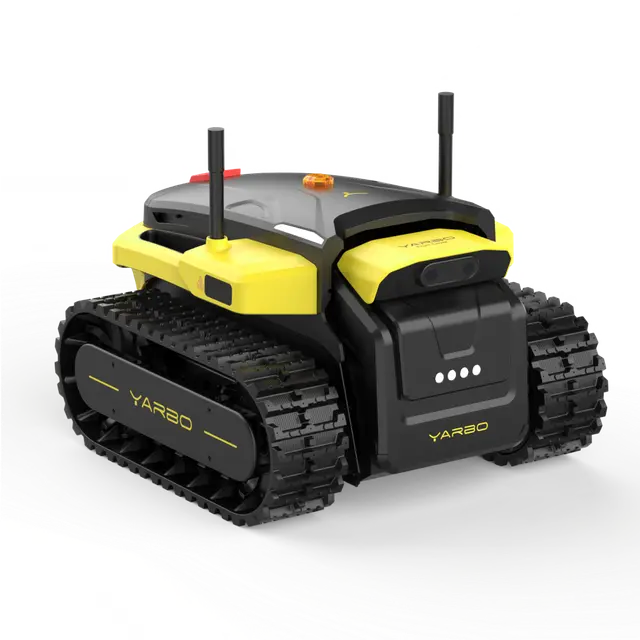
Choosing the right snow blowing machine impacts how fast, efficiently, and safely you can clear snow from your property. With advances in snow removal technology, like Yarbo’s intelligent modular snow blower, there’s now more to consider than ever before.
Whether you’re battling light powder or dense, wet snow, understanding the differences between these machines ensures you get the best tool for your needs — saving you time, money, and back-breaking labor.
Table of Contents:
Understanding the Basics: Snow Thrower or Snow Blower?
What is a Snow Thrower?
A snow thrower, also called a single-stage snow blower, uses an auger to scoop up snow and throw it out through a chute in one motion. It’s lighter, easier to maneuver, and ideal for smaller driveways or light snowfalls (up to about 8 inches).
What is a Snow Blower?
A snow blower typically refers to a two-stage or three-stage machine. In these, the auger collects snow, and then an impeller throws it farther away. They handle deeper snow, heavier loads, and wider clearing paths — perfect for large properties or frequent heavy snowfalls.
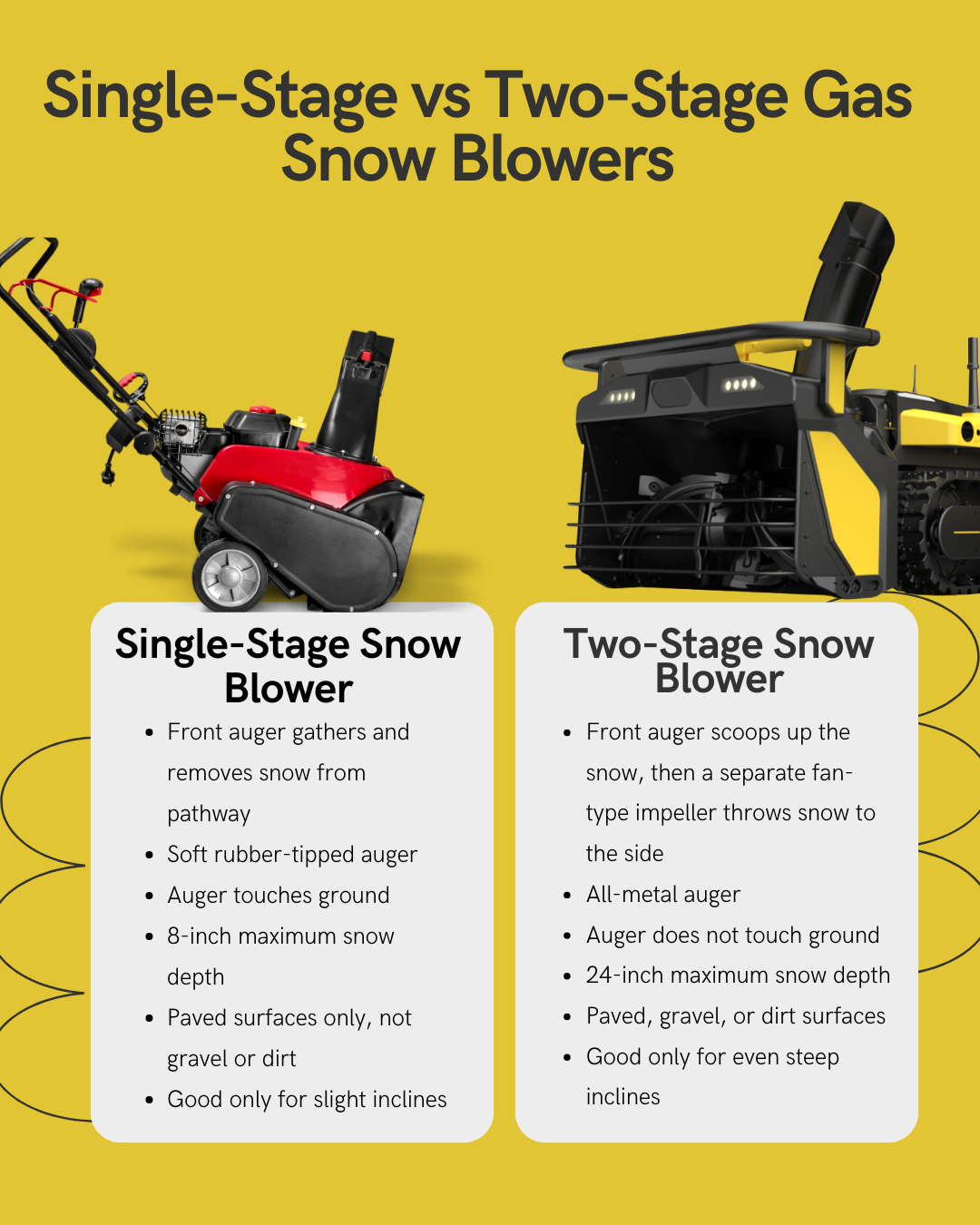
A snow blower typically refers to a two-stage or three-stage machine. In these, the auger collects snow, and then an impeller throws it farther away. They handle deeper snow, heavier loads, and wider clearing paths — perfect for large properties or frequent heavy snowfalls.
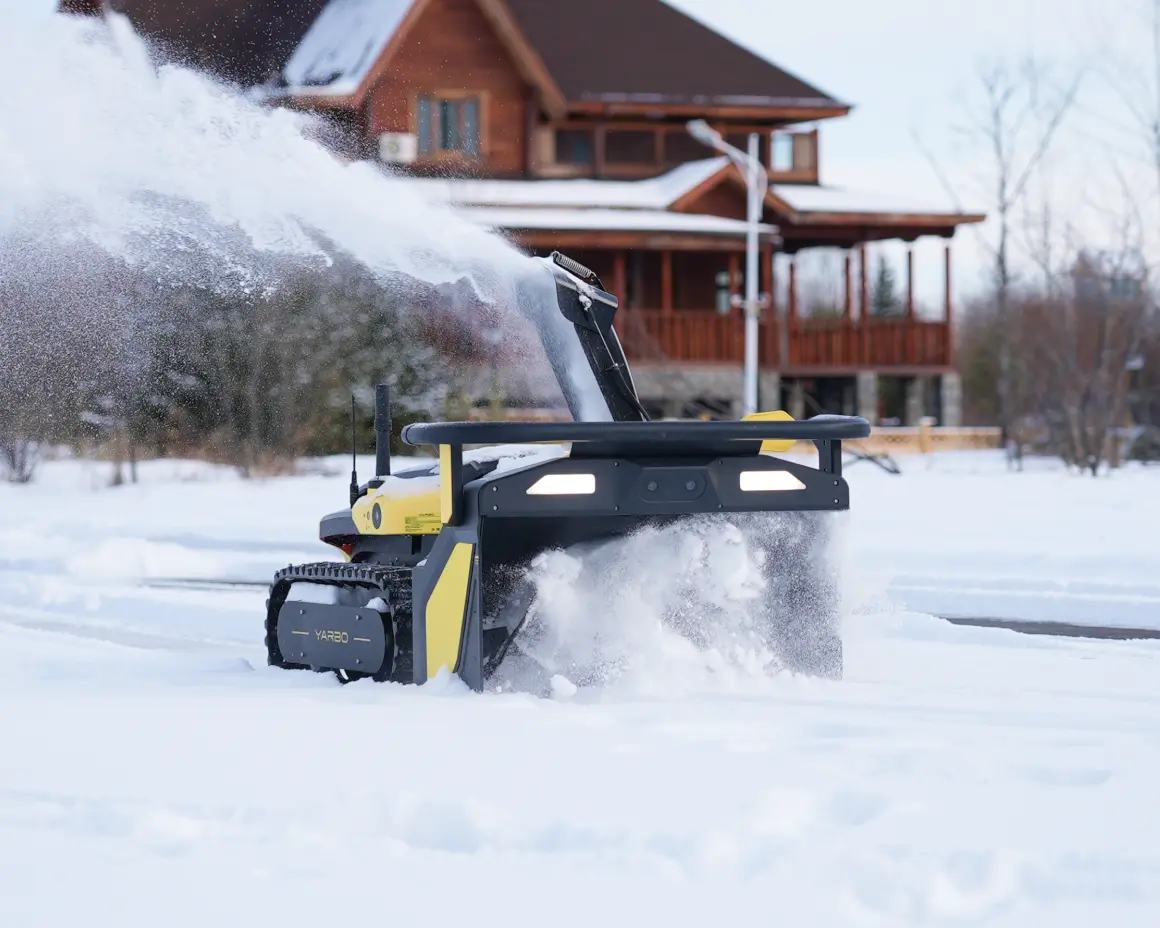
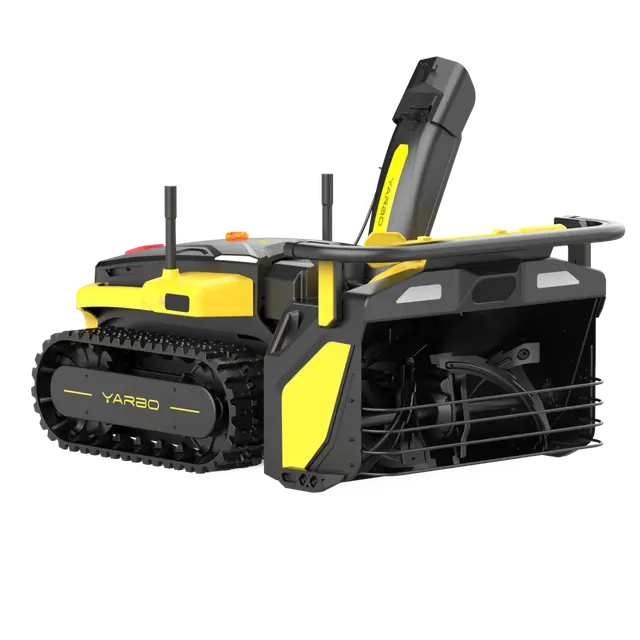
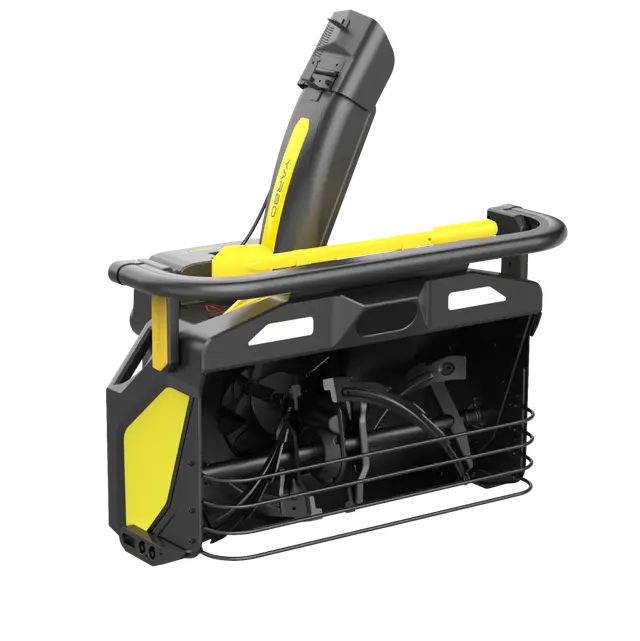
Yarbo’s advanced snow blower module is engineered to handle these heavy-duty tasks with intelligent automation, going beyond traditional blowers to deliver unmatched efficiency for expansive properties.
Key Differences Between Snow Thrower and Snow Blower
Power and Performance
-
Snow Thrower: Powered by smaller electric or gas motors, best for quick cleanups.
-
Snow Blower: Heavy-duty engines capable of moving 50+ tons of snow per hour, like Yarbo’s model.
Clearing Capacity
Snow throwers clear narrower paths (18–21 inches), while snow blowers can handle 24–45 inches in a single pass.
Maneuverability and Ease of Use
Throwers are lighter and more portable, but blowers offer self-propulsion, making them easier to handle over longer sessions.
Maintenance and Durability
Snow blowers have more moving parts and need regular servicing, but they’re built for decades of heavy use.
Pros and Cons of Snow Blower vs Thrower
Snow Throwers
| Pros | Cons |
| Lightweight | Limited to light snow |
| Lower cost | Shorter throwing distance |
| Easy storage |
Struggles with icy buildup |
| Electric options for eco-conscious homeowners |
|
Snow Blowers
| Pros | Cons |
|
Handles deep and wet snow |
More expensive |
|
Longer throwing distance (40+ feet) |
Requires more storage space |
|
Larger clearing width (24" with Yarbo) |
Higher maintenance |
|
Ideal for big driveways, parking lots, and commercial spaces |
|
|
comprehensive safety features |
Which is Better for Different Snow Conditions?
Light Snowfalls Snow throwers are efficient for 2–6 inches of snow on flat, paved surfaces. However, Yarbo's intelligent automation ensures it responds quickly even to light snowfall, planning routes and clearing within minutes to prevent accumulation.Heavy and Wet Snow Snow blowers, especially high-powered two-stage models, plow through thick, wet accumulation without clogging.
Yarbo’s snow blower module is specifically engineered for this, effectively handling fluffy dry snow, heavy wet snow, and even compacted snow, demonstrating persistence through challenging conditions.Large Driveways and Commercial Use Yarbo’s heavy-duty snow blower excels in clearing long driveways, parking lots, and large estates in record time.
Its unique Slope Pattern algorithm and snow track design allow it to easily climb slopes of 36% (21°) for snow removal, far exceeding many competitors. Additionally, for gravel driveways, Yarbo's customizable height (up to 2 inches ground clearance) and durable metal snow chute effectively withstand accidental gravel entry, ensuring continuous operation without damaging the ground.
Cost Comparison: Snow Thrower vs Snow Blower
-
Snow Thrower: $150–$500 for electric, $400–$800 for gas
-
Snow Blower: $800–$3,000+ depending on features and size
Environmental Impact and Energy Efficiency
Electric snow throwers produce no direct emissions, but high-end battery-powered snow blowers like Yarbo’s model combine eco-friendliness with unmatched performance.
Safety Considerations for Both Machines
Always follow manufacturer guidelines, avoid clearing when people or pets are nearby, and wear protective gear to prevent injuries from flying debris.
Yarbo’s Advanced Snow Blower: The Heavy-Duty Choice
Modular Design for Year-Round Use:
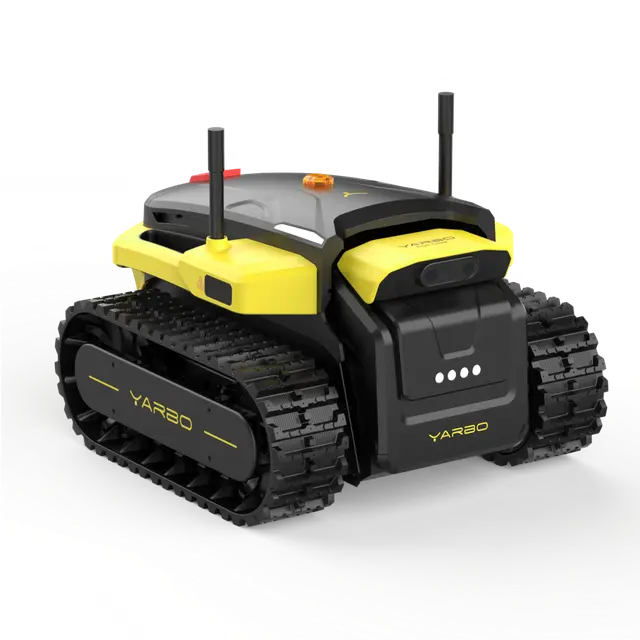
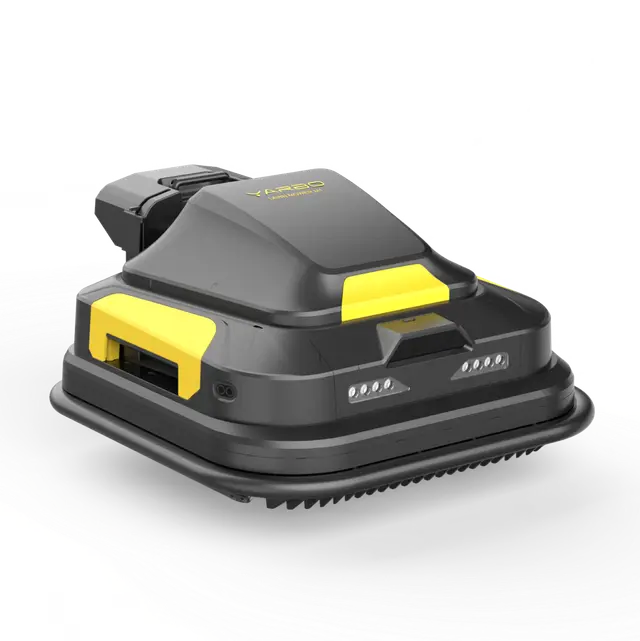
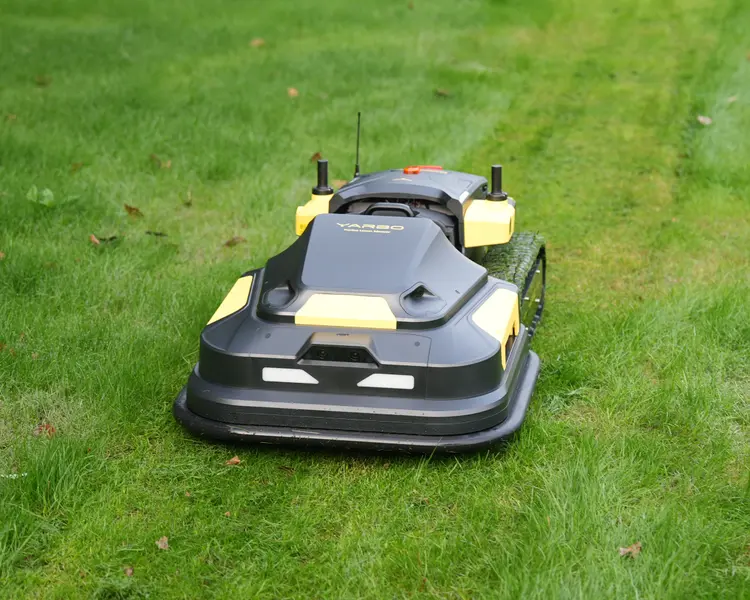
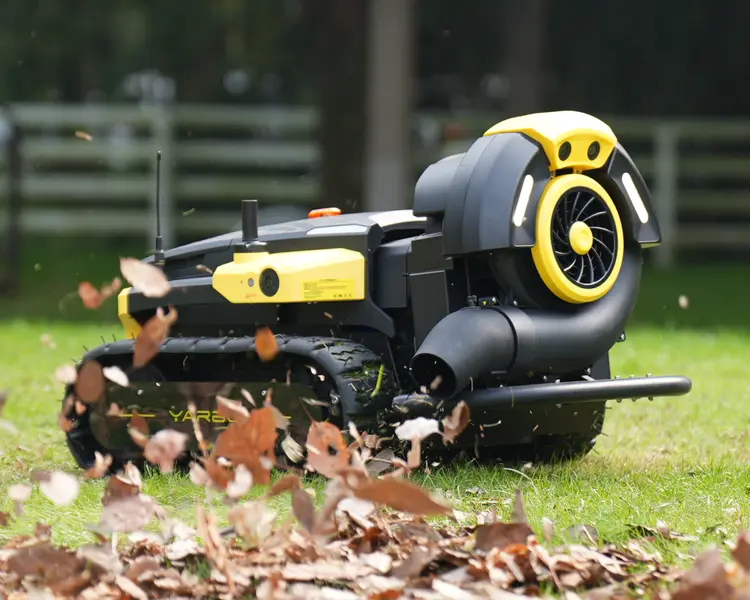
Yarbo's snow blower isn’t just for winter — the same Yarbo Core unit seamlessly switches to lawn mowing, leaf blowing, and future attachments like trimming. This modular approach is a huge differentiator; no mainstream competitor offers full multi-season yard care.
"Why buy three separate expensive devices (or contracts) when one smart robot can handle every season?" It’s one investment, one storage footprint, and one learning curve for complete year-round yard maintenance.
High-Powered Performance for All Snow Types:
With intelligent torque control and high-capacity augers, Yarbo’s model clears light powder or dense, icy snow without slowing down. It can clear up to 12 inches of snowfall in a 24-inch wide path, throwing snow up to 40 feet away.
Users have reported being "pretty happy" with its ability to power through heavy, wet snow and even dense plow piles at the street end.
Excellent Environmental Adaptability & Slope Mastery:
Yarbo is built to operate in extreme temperatures, with its battery rated to -20°C (-4°F) and heating modules enabling operation as low as -40°C when powered on.
This means Yarbo will show up for work even in the deepest midwinter. Relying on its unique Slope Pattern algorithm and patented all-terrain track design, it optimizes angles and enhances traction, enabling it to easily climb slopes of 35° (70% grade) for snow removal, handling terrain where others fail.
For gravel driveways, its customizable height and durable metal snow chute effectively protect against accidental gravel intake.
Smart Features for Hassle-Free, Autonomous Snow Removal:
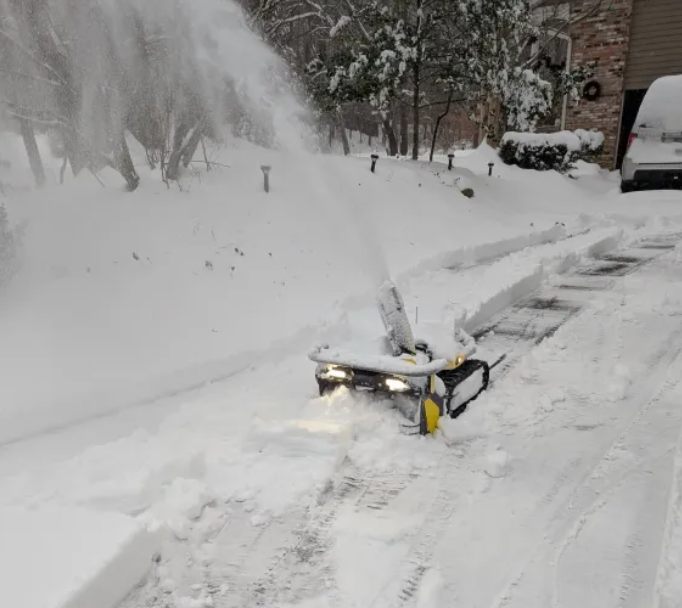
Yarbo is designed as a "hands-free" solution. With real-time weather updates and built-in algorithms, it automatically creates snow-clearing plans. It can start cleaning immediately as snowfall begins, responding quickly to prevent accumulation.
You can schedule it to work anytime – even overnight – and wake up to a clean driveway without ever lifting a shovel. Its advanced navigation (RTK-GPS combined with cameras and ultrasonic sensors) plans efficient routes and avoids obstacles without perimeter wires.
Quiet Operation:
Operating at just 60 dB, Yarbo is much quieter than traditional gas snow blowers, allowing it to work without disturbing you or your neighbors, even during the night.
Hear From Real Users:
As @RCSparks Studio puts it, “The Yarbo Snow Blower doesn't just clear snow - it redefines what's possible. Its advanced design and chilling intelligence are equal parts inspiring and eerie, especially when contrasted against the weathered backdrop of a home that's seen centuries of winters.”
Expert Tips for Choosing Between a Snow Thrower and Snow Blower
Whether you choose a snow blower vs thrower, its about how you use it
-
Measure your driveway and walkway before buying.
-
Consider your local snowfall averages.
-
Factor in storage space and maintenance budget.
-
If you want all-season value, choose a modular system like Yarbo’s.
Conclusion
When weighing snow thrower vs snow blower, think about your property size, snowfall type, and convenience needs. If you want light-duty, affordable snow clearing, a thrower works fine.
But for maximum efficiency, durability, and year-round versatility, Yarbo’s snow blower is the heavy-duty, future-proof choice.
Learn more about Yarbo’s modular snow blower here and get ready for a winter without back-breaking shoveling.
FAQs
-
What’s the difference between a 1-stage and 2-stage snow blower?
A 1-stage uses an auger to both scoop and throw snow. A 2-stage uses an auger plus an impeller, offering more power and throwing distance.
-
Can a snow thrower handle wet snow?
It can, but performance drops. Wet snow is best handled by a two-stage snow blower.
-
Can a snow thrower handle wet snow?
It can, but performance drops. Wet snow is best handled by a two-stage snow blower. Yarbo excels in handling heavy wet snow and compacted snow, leveraging its robust design and powerful augers to prevent clogging.
-
Is Yarbo’s snow blower suitable for steep driveways?
Yes, absolutely. Thanks to its unique Slope Pattern algorithm, patented all-terrain track design, and advanced traction system, Yarbo easily handles slopes up to 36° (70% grade) for snow removal, optimizing angles and reducing slippage.
-
Which is safer for beginners — a snow thrower or blower?
Snow throwers are lighter and simpler. However, Yarbo’s extensive safety features—including 360° obstacle detection with 6 cameras and 4 ultrasonic sensors, app notifications, emergency stop buttons, and voice alerts—make its blower exceptionally beginner-friendly and safe for family use.
-
What about the long-term cost and value of Yarbo?
While Yarbo is a premium investment, its modular design means it replaces at least three major machines (mower, snow blower, leaf blower). Many owners find that Yarbo pays for itself within approximately 2-3 years by eliminating the costs of hired lawn care or snow removal services, then provides essentially free service thereafter. This offers significant long-term savings and provides tangible value and freedom from yard chores.
-7.png?w=1001&h=621)
 Private group · 33.0K members