An electric snow blower is quickly becoming the top choice for homeowners who want a quieter, cleaner, and easier way to clear snow.
While gas-powered models have long been the go-to for power and endurance, modern battery-powered and
corded electric snow blowers now deliver impressive performance without the fumes, noise, and maintenance headaches.
In this guide, we’ll compare electric vs gas snow blowers in depth so you can choose the right machine for your snow removal needs this winter.
Table Of Contents:
What Is a Snow Blower?
A snow blower (also called a snow thrower) is a machine designed to clear snow from walkways, driveways, sidewalks, and roads. It works by collecting snow through an auger or impeller and tossing it aside via a chute.
There are three different types of snow blowers:
-
Single-stage: Light-duty, ideal for sidewalks.
-
Two-stage: Powerful, handles deep/heavy snow.
-
Three-stage: Commercial-grade, ultra-high output.
Both electric and gas snow blowers come in these types — but with key differences in mechanics, maintenance, and performance.
How Does Gas or Snow Blower Work?
Gas Snow Blower
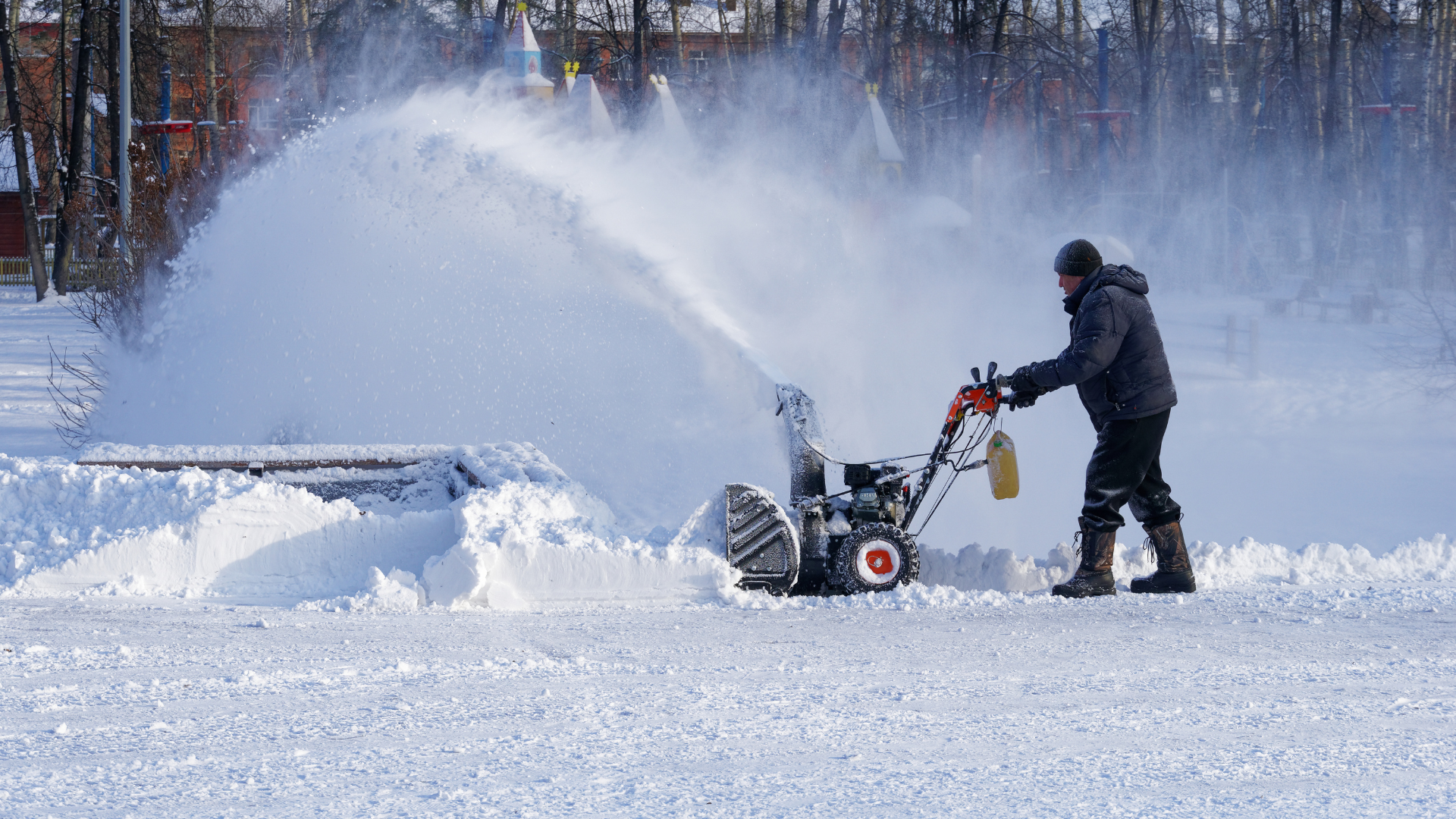
A gas snow blower uses a combustion engine powered by gasoline, sometimes mixed with oil (2-stroke). It burns fuel to power the auger and impeller, making it suitable for:
-
Deep snow
-
Heavy, wet snow
-
Wide driveways or steep inclines
However, it requires:
-
Regular engine maintenance
-
Fuel/oil refills
-
Manual pull start (or electric start on high-end models)
Gas snow blowers shine in extreme conditions but are heavier, louder, and higher-maintenance.
Electric Snow Blower:
Electric snow blowers come in two formats: Corded and Battery-powered. These use a quiet electric motor to drive the auger, requiring far less maintenance.
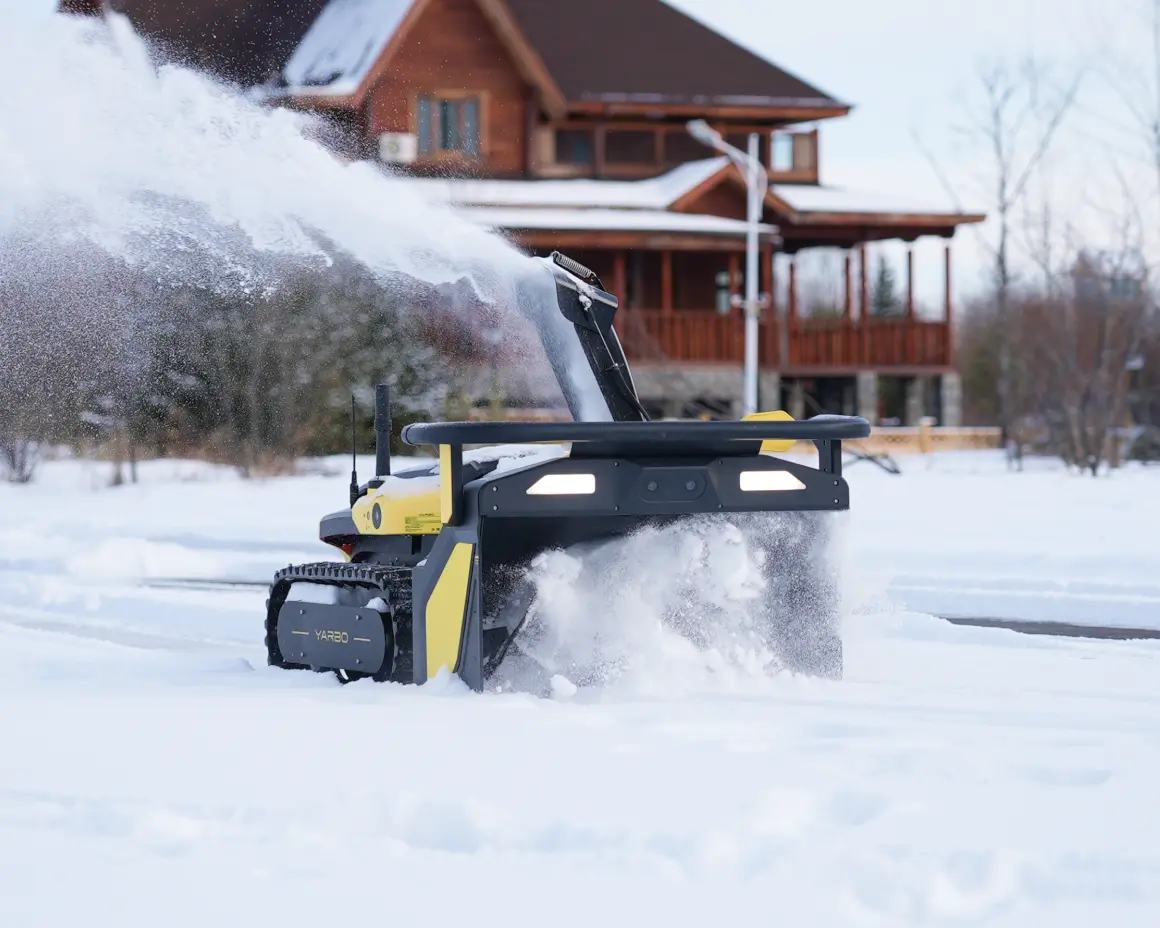
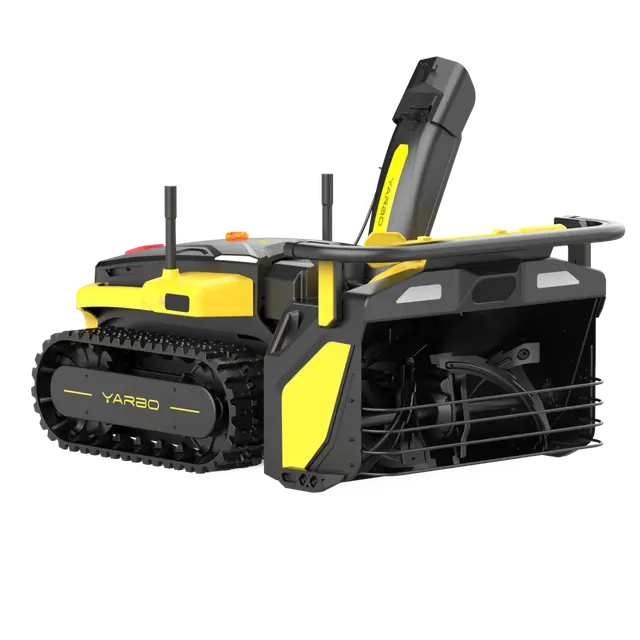
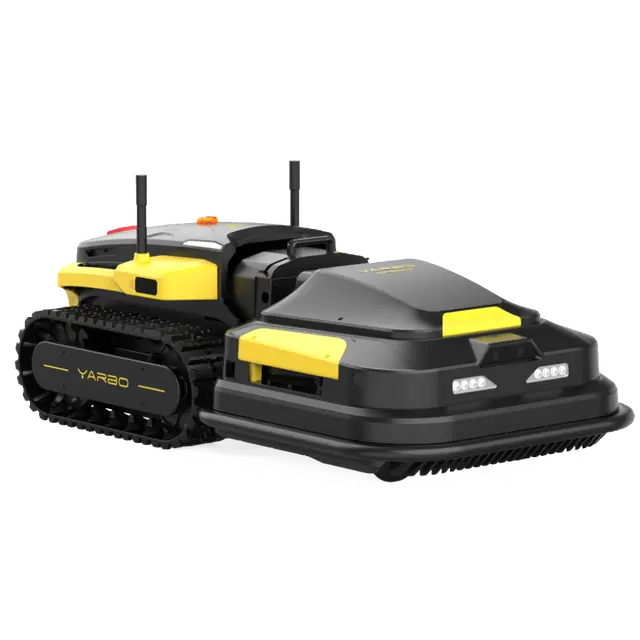
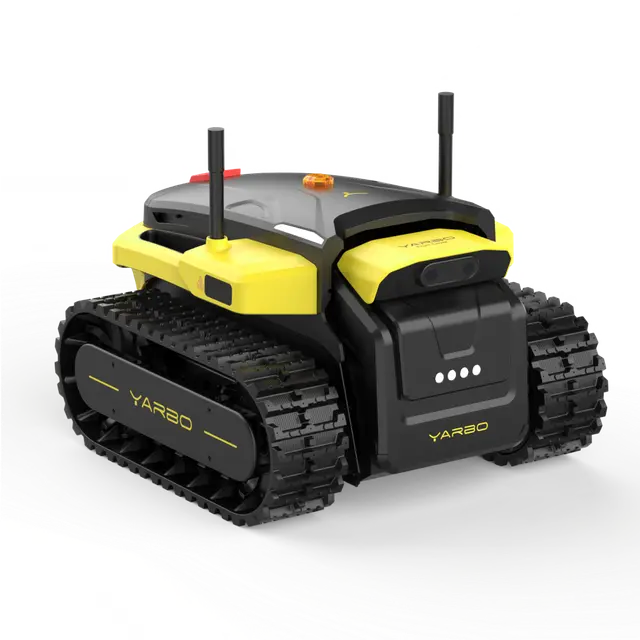
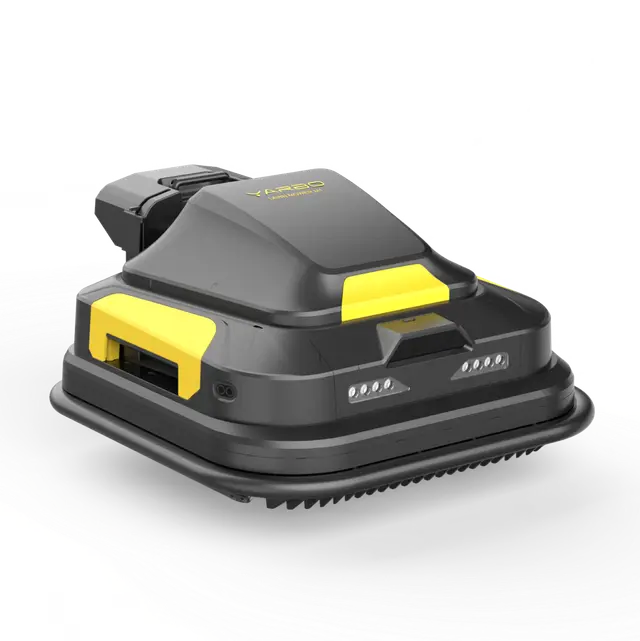
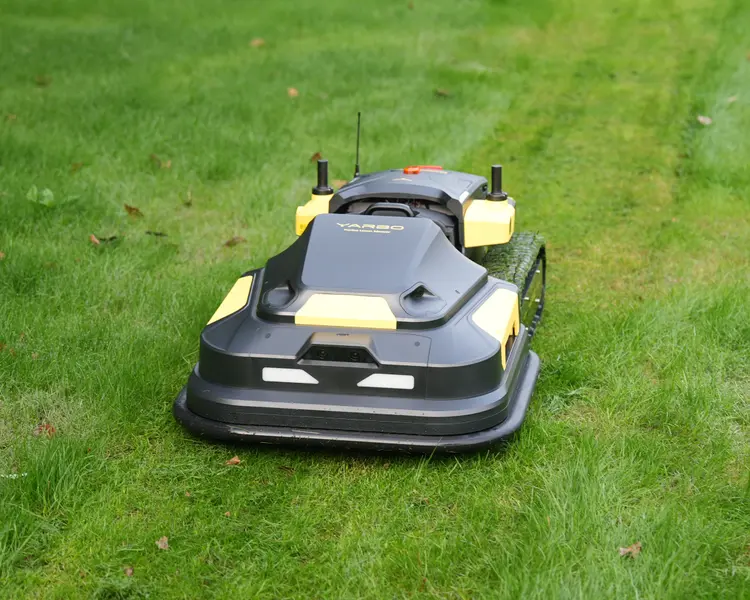
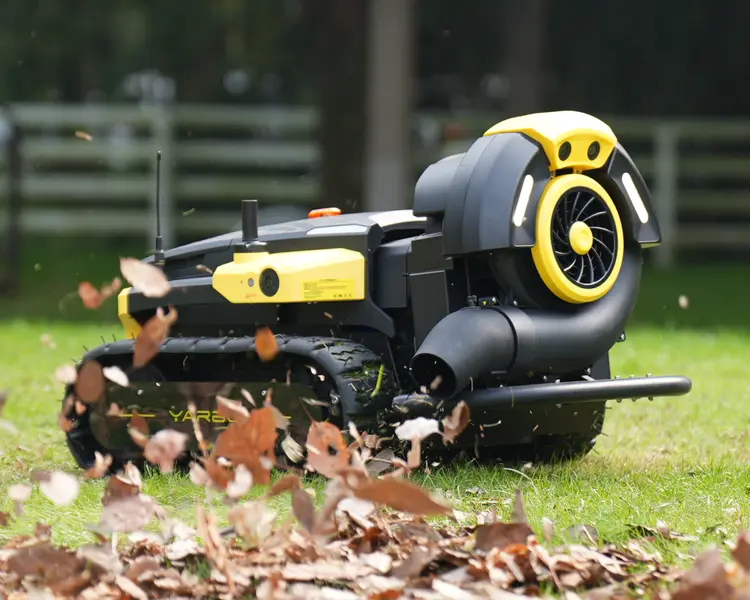
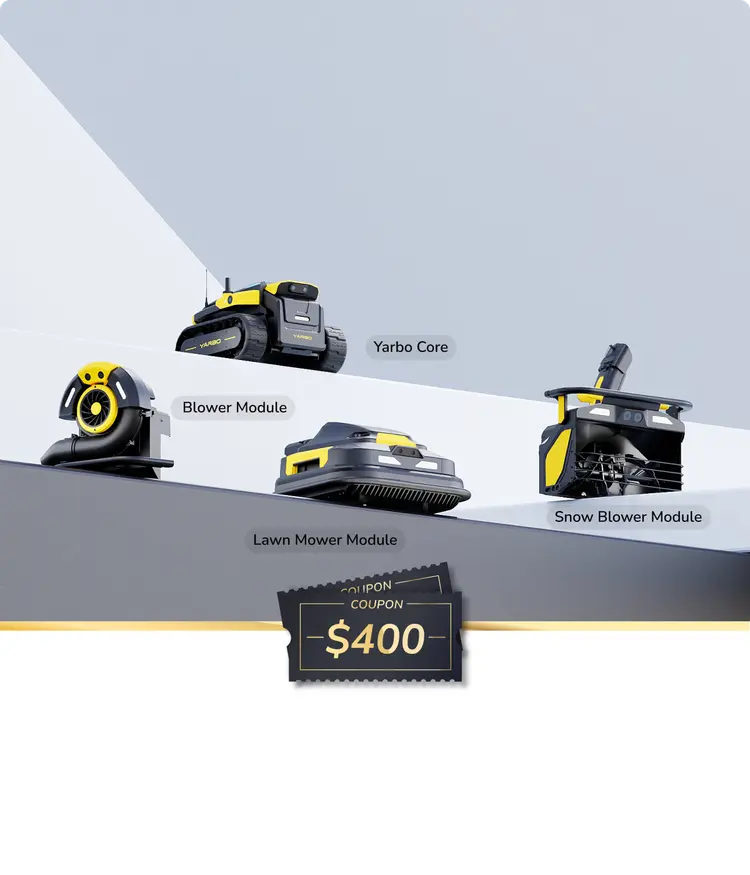
Today's high-capacity lithium-ion models, exemplified by the Yarbo Snow Blower, offer strong performance without the hassle of gas.
They are perfect for small to mid-sized properties and light to moderate snowfall, but premium models like Yarbo extend this capability to much larger and more complex areas, demonstrating that battery power can now rival gas in many demanding scenarios.
-
Small to mid-sized properties
-
Light to moderate snowfall
-
Noise-restricted areas
Today's high-capacity lithium-ion snow blower battery models offer strong performance without the hassle of gas.
Comparison Gas or Electric Snow Blowers
-
Power and Performance Comparison
Gas blowers still lead in raw power. But premium electric snow blowers like Yarbo can now rival and even surpass gas models in specific scenarios, thanks to intelligent 2-stage augers and high-voltage batteries.
| Feature | Gas Snow Blower | Electric Snow Blower |
| Torque | High | Moderate |
| Snow Depth | Up to 18"+ | Typically 6–12" |
| Ice Handling | Excellent | Good (top-tier only) |
| Inclines | Strong | Limited |
| Runtime | Unlimited (refuel) | Battery-limited |
If you frequently battle wet, slushy, or packed snow, a gas snow blower is typically more reliable. However, modern electric units with steel augers and dual-stage systems — such as the Yarbo Snow Blower — perform impressively in these conditions, even tackling heavy, wet snow and dense plow piles at the street end with persistence.
They detect snow density, adjust torque automatically, and feature clog-resistant chutes. Its patented all-terrain tracks provide superior traction in snow and on slopes up to 36% (21°), allowing it to chew through plow berms without skidding.
Unless you're clearing wet snow from an exceptionally steep 200-ft driveway that no robot could touch, a top-tier battery-operated snow blower like Yarbo can get the job done reliably
-
Clearing Width and Depth
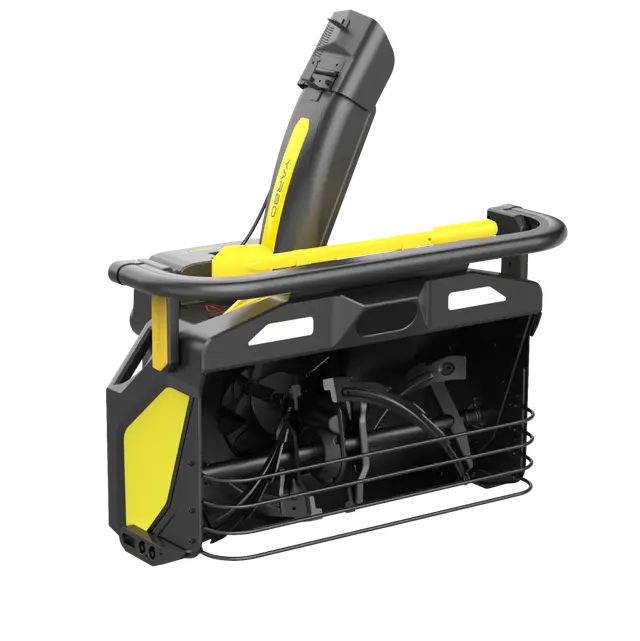
For big driveways or blizzards, gas has traditionally been the go-to. However, the Yarbo Snow Blower module is a powerful two-stage snow thrower that can clear up to 12 inches of snowfall in a wide 24-inch path, throwing snow up to 40 feet away.
| Model Type | Clearing Width | Clearing Depth |
| Corded Electric | 18–21 inches | Up to 10 inches |
| Battery Electric | 20–26 inches | Up to 12 inches |
| Gas (Single Stage) | 21–24 inches | Up to 12 inches |
| Gas (Two Stage) | 24–30+ inches | Up to 18+ inches |
This capacity means it can efficiently handle large residential properties and significant snow events, offering a powerful electric alternative where previously only gas would suffice.
-
Noise Levels: Which Is Quieter?
This one's easy: Electric snow blowers are significantly quieter. In fact, in certain states, gas-powered blowers can't be operated during early mornings or late evenings due to local noise ordinances.
Electric blowers:
-
Run around 65–75 dB
-
Sound like a vacuum cleaner
-
Won’t disturb neighbors or sleep schedules
Gas models can hit 90+ dB — that’s leaf blower territory.
-
Maintenance Needs for Gas or Electric Snow Blower
Electric snow blowers are practically maintenance-free. Gas snow blowers often require a frustrating pull-cord start in cold weather.
Yarbo, as an advanced electric model, offers one-button push start, is lightweight and maneuverable via app control, and requires no priming or choking.
| Task | Gas Snow Blower | Electric Snow Blower |
| Oil changes | ✅ | ❌ |
| Spark plug replacement | ✅ | ❌ |
| Fuel stabilizer | ✅ | ❌ |
| Engine tune-ups | ✅ | ❌ |
| Battery charging | ❌ | ✅ |
| Chute clearing | ✅ | ✅ |
Furthermore, its wireless automatic charging system avoids direct contact, reducing risks and enhancing safety. Yarbo can automatically return to its dock to recharge, then resume precisely where it left off, ensuring truly hands-free operation for large areas.
Starting System and Ease of Use
Gas snow blowers often require a pull-cord to start — which can be frustrating in cold weather.
Electric models?
-
One-button push start
-
Lightweight and maneuverable
-
No priming or choking needed
For convenience and user-friendliness, electric snow blowers win hands-down.
Environmental Impact of Gas or Electric Snow Blower
Gas snow blowers emit:
-
Carbon monoxide
-
Particulates
-
Unburned hydrocarbons
Electric models, especially those powered by solar-charged batteries, produce zero emissions during operation.
They're not only better for your lungs, but for the planet.
Cost Comparison: Purchase + Operating
| Cost Factor | Gas | Electric |
| Initial Cost | $500–$2,000 | $200–$1,000 |
| Fuel Cost (Season) | $30–$80 | Negligible |
| Maintenance Cost (Yearly) | $50–$150 | $0–$20 |
| Lifespan | 8–15 years | 5–10 years (battery dependent) |
Electric models save money over time — especially with rising gas prices.
Storage and Portability
Electric units:
-
Weigh less
-
Fold down compactly
-
Require no fuel drain for off-season storage
Gas units are bulkier and must be winterized properly to prevent carburetor gumming or tank corrosion.
Ideal Use Cases: Which Is Right for You?
| Use Case | Best Choice |
| Small patios, decks | Electric |
| Townhomes/urban driveways | Electric |
| Large rural driveways | Gas |
| Heavy snowfall regions | Gas |
| Seniors or beginners | Electric |
| Eco-conscious homeowners | Electric |
Best for Heavy Wet Snow: Gas or Electric Snow Blower?
If you frequently battle wet, slushy, or packed snow, a gas snow blower is typically more reliable. The higher engine torque powers through dense buildup without clogging.
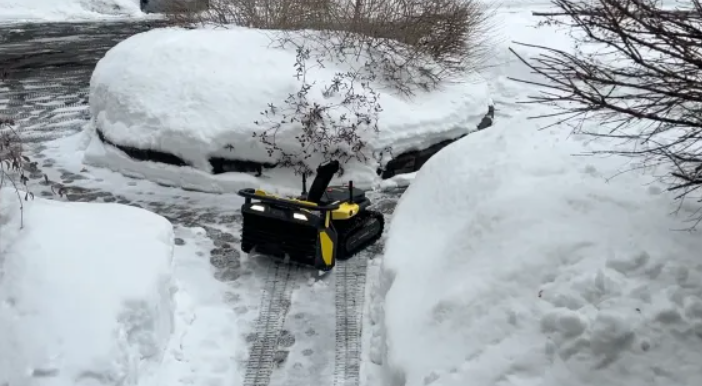
However, modern electric units with steel augers and dual-stage systems — such as the Yarbo Snow Blower — also perform impressively in these conditions. They:
-
Detect snow density
-
Adjust torque automatically
-
Feature clog-resistant chutes
Unless you're clearing wet snow from a steep 200-ft driveway, a top-tier battery operated snow blower can get the job done.
Verdict: Electric or Gas Snow Blower
Both types have their place:
Choose electric snow blowers if you value:
-
Quiet, clean operation
-
Low maintenance
-
Easy start and handling
-
Budget and storage savings
Go with gas snow blowers if you need:
-
Raw power
-
Long runtimes
-
Deep snow or long driveways
Or — go next-gen...
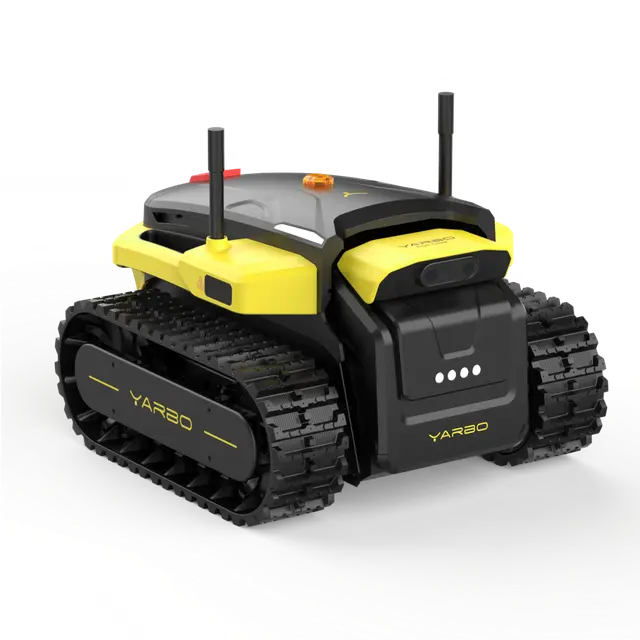
If you’re looking for next-level convenience and unparalleled performance for your extensive, challenging property, meet Yarbo: a truly autonomous, modular yard robot designed as a 'Heavy-Duty Specialist'.
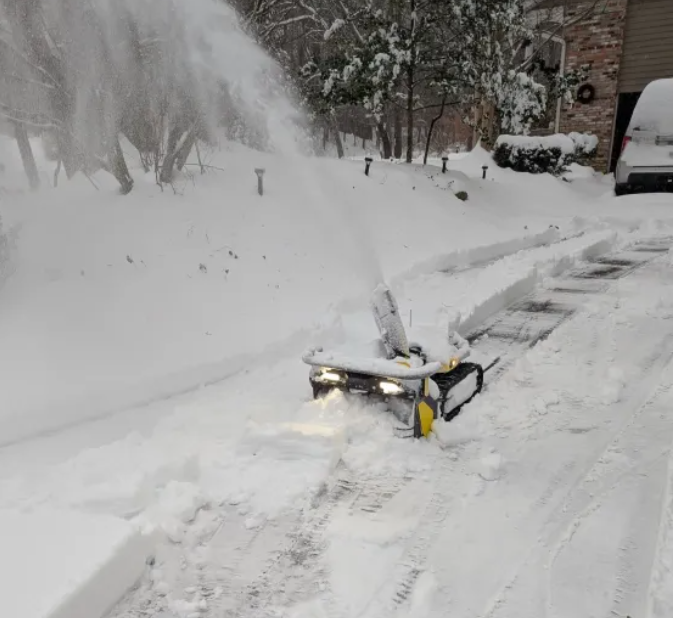
Yarbo isn’t just a snow blower — it’s an entire smart yard ecosystem, addressing virtually every pain point for homeowners with significant yard duties.
Conclusion
An electric snow blower is the best choice for most homeowners who want an eco-friendly, low-maintenance, and easy-to-handle snow removal solution.
It’s ideal for small to medium driveways, noise-sensitive neighborhoods, and anyone who values quick push-button starting over dealing with fuel and oil.
Gas snow blowers still have their place for heavy-duty, rural, or deep-snow conditions, but the latest electric models — especially advanced ones like Yarbo’s modular snow blower — prove that you don’t need gas power to get serious results.
FAQs
-
Is an electric snow blower powerful enough for heavy snow?
Yes, especially 2-stage battery models with steel augers and high-capacity batteries. Premium units like the Yarbo Snow Blower are specifically designed to power through heavy wet snow and tackle up to 12 inches of snowfall, even handling challenging plow berms and operating reliably in sub-zero temperatures.
-
Can I use a gas snow blower in residential areas?
Yes, but check local regulations. Some restrict early or late use due to noise levels.
-
How long does a battery snow blower last?
For Most snow blower batteries opertation time is 1.5 hours per charge. Other, more heavy-duty snow blowers have a longer battery run time, but it also depends on the terrain and depth of snow its handling.
-
Are gas snow blowers being banned?
Not yet, but many cities are pushing for cleaner, electric alternatives.
-
What's the lifespan of an electric snow blower?
With proper battery care, expect 5–10 years of use.
-
Do I need a two-stage snow blower?
If you deal with 12"+ of snow regularly, yes — two-stage is recommended.
-7.png?w=1001&h=621)
 Private group · 33.0K members