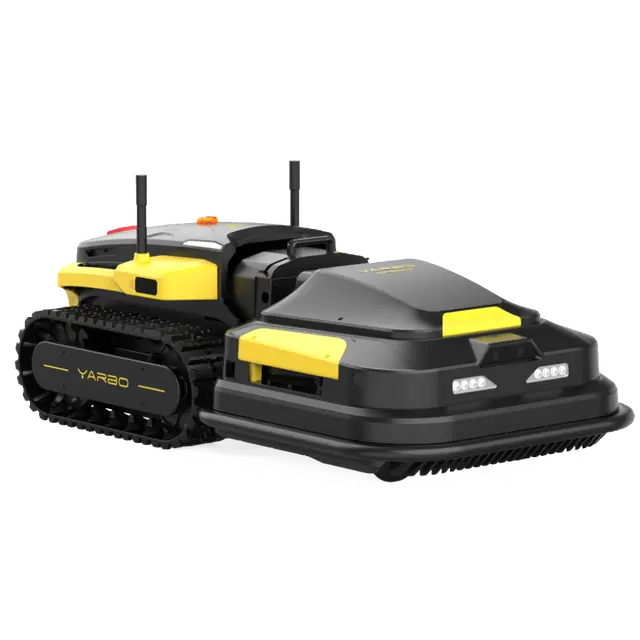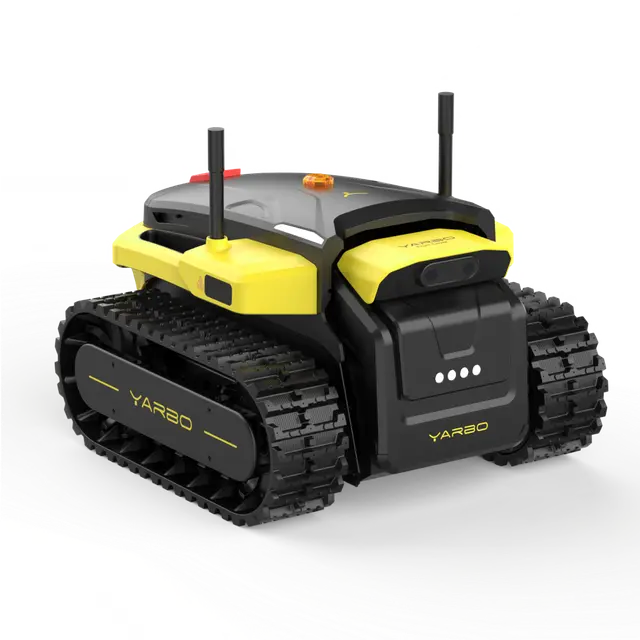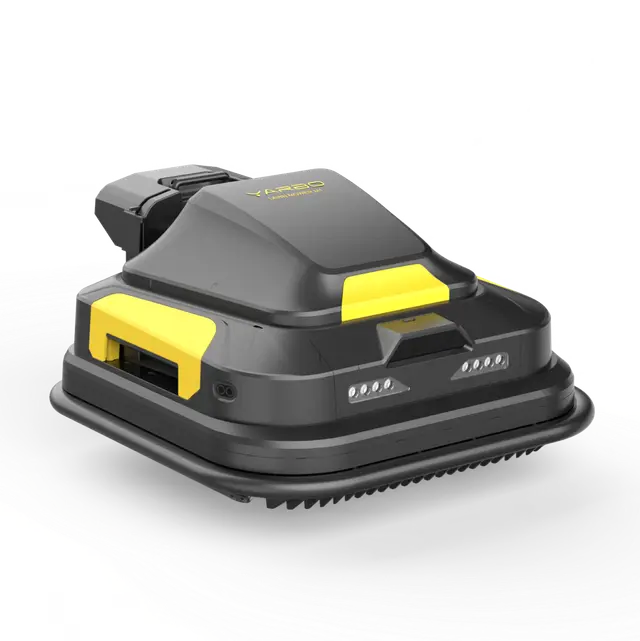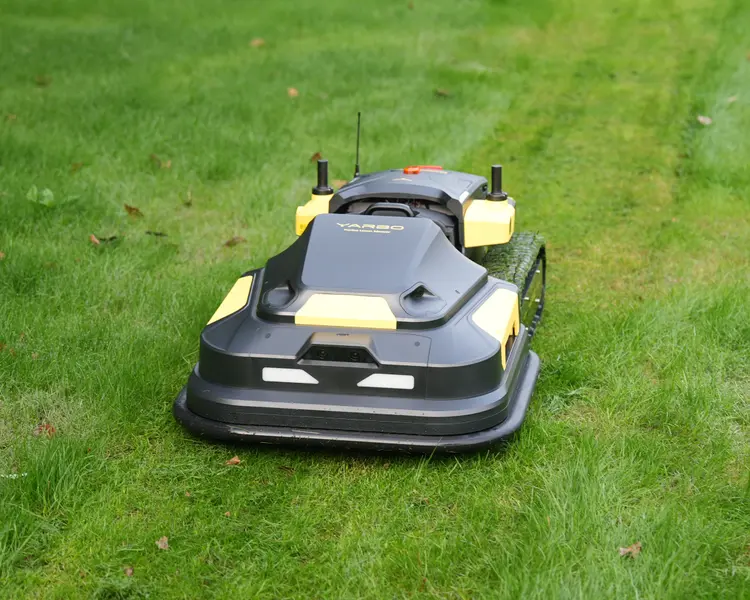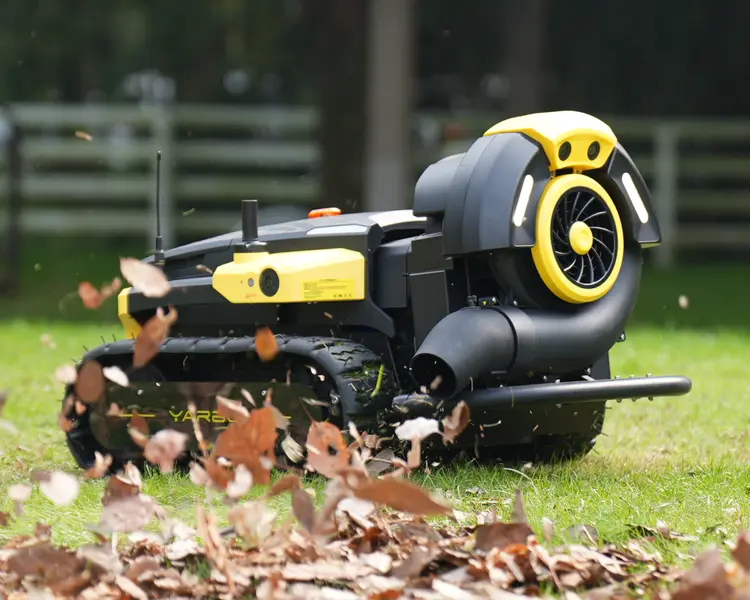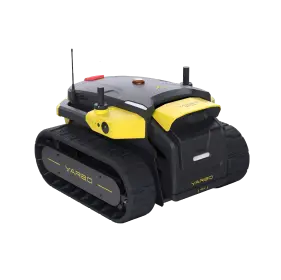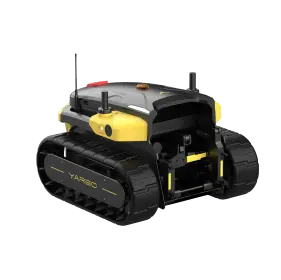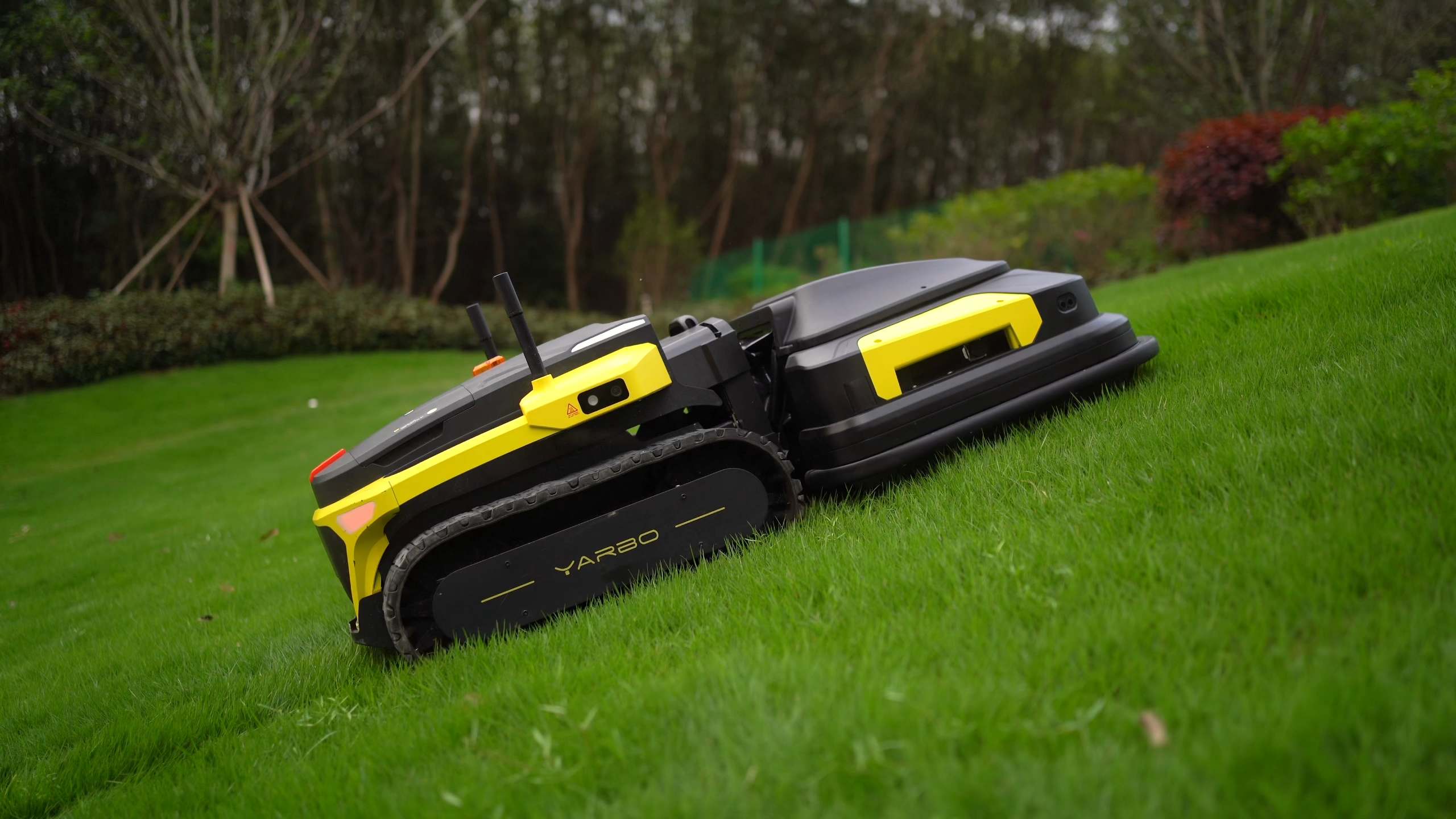
Robotic lawn mowers deliver effortless lawn maintenance—but which is best robot grass mower for uphill mowing? The answer depends on traction, motor strength, and smart navigation. This guide explores hillside performance, setup tips, and why Yarbo stands out on sloped terrain.
Understanding Robot Mower Slope Capabilities
Robotic lawn mowers operate autonomously, navigating lawns using boundary wires, GPS, or sensor-based systems. Equipped with rechargeable batteries, they trim grass within defined areas, returning to their charging stations as needed. Key features include programmable schedules, rain sensors, and safety mechanisms to avoid obstacles.
Modern robotic mowers handle moderate slopes, typically up to 25–30%. Advanced models, like the Husqvarna Automower 435X AWD, reach up to 70%. But few match Yarbo’s rugged engineering designed for steep, uneven ground.
While these mowers excel on flat terrains, their performance on slopes depends on various factors such as wheel design, motor power, and traction control. Understanding these elements is crucial when considering a robotic mower for a sloped.
Can Robot Mowers Do Hills?
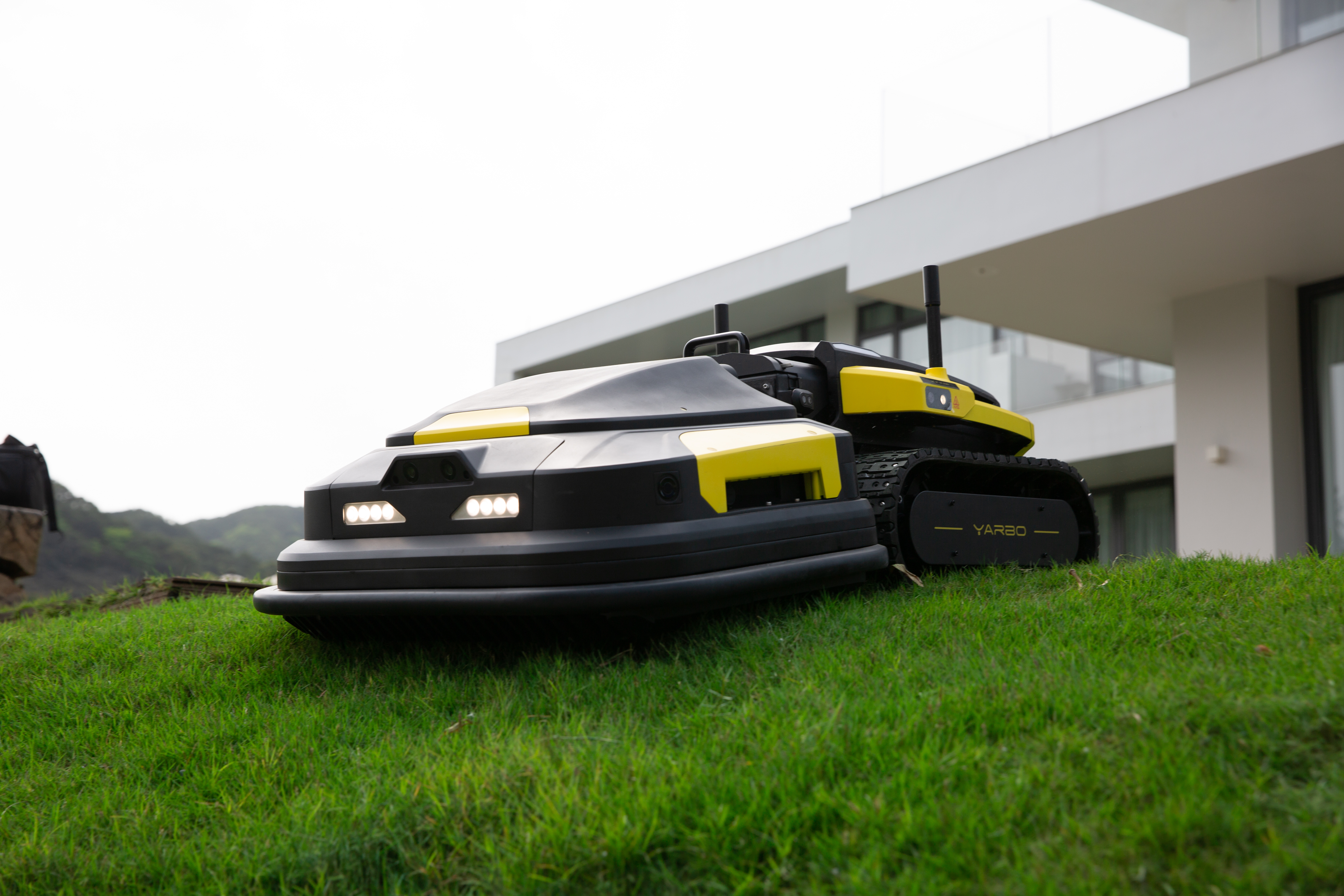
The ability of a robot lawn mower to ascend slopes varies by model. Standard models typically handle inclines up to 25-30%, while advanced versions can manage steeper gradients. For instance, the Husqvarna Automower 435X AWD can tackle slopes up to 70% (approximately 35 degrees). Where as Yarbo’s defining features is its large, heavy-duty pneumatic tires with deep treads.
.png?w=1164&h=574)
These tires aren’t just for show—they are expertly crafted to handle a wide variety of challenging surfaces including:
-
Wet or muddy lawns
-
Rocky inclines
-
Sloped hills up to 70% gradient
-
Loose gravel or soil patches
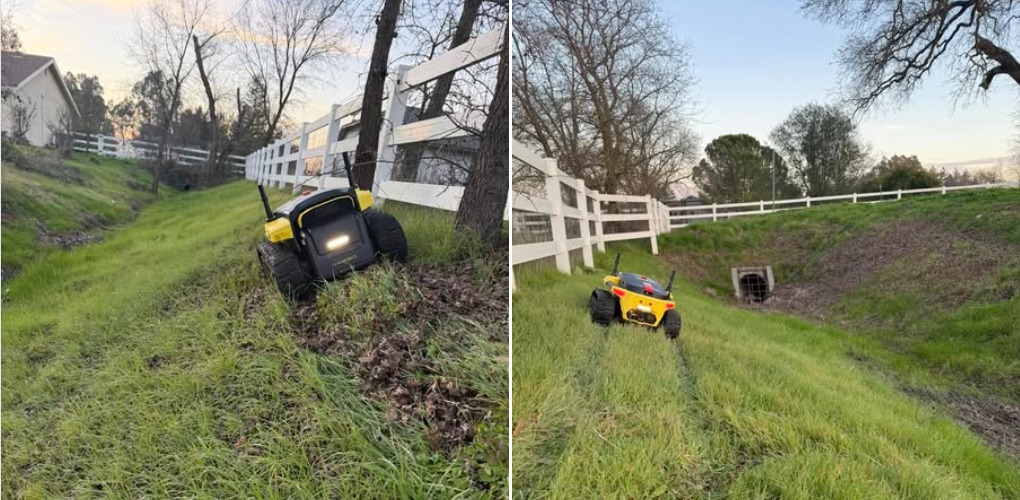
Factors influencing uphill performance in robotic lawn mowers include:
-
Wheel Traction: Larger wheels with deep treads provide better grip on slopes.
-
Motor Power: Stronger motors ensure consistent movement uphill.
-
Weight Distribution: Balanced weight prevents tipping and enhances stability.
-
Sensor Technology: Inclination sensors help mowers adjust speed and direction on
It's essential to match the mower's capabilities with your lawn's specific incline to ensure optimal performance.
Why Yarbo Wins on Slopes?
| Feature | Yarbo Advantage |
| Tire Design | Deep-tread, pneumatic tires provide superior grip across wet, rocky, or sloped terrain—up to a 70% gradient. |
| Drive System | Dual-track mechanism enhances balance and traction, ensuring stability on steep inclines. |
| Navigation | Hybrid RTK GPS, vision, and AI terrain recognition keeps navigation precise and adaptive. |
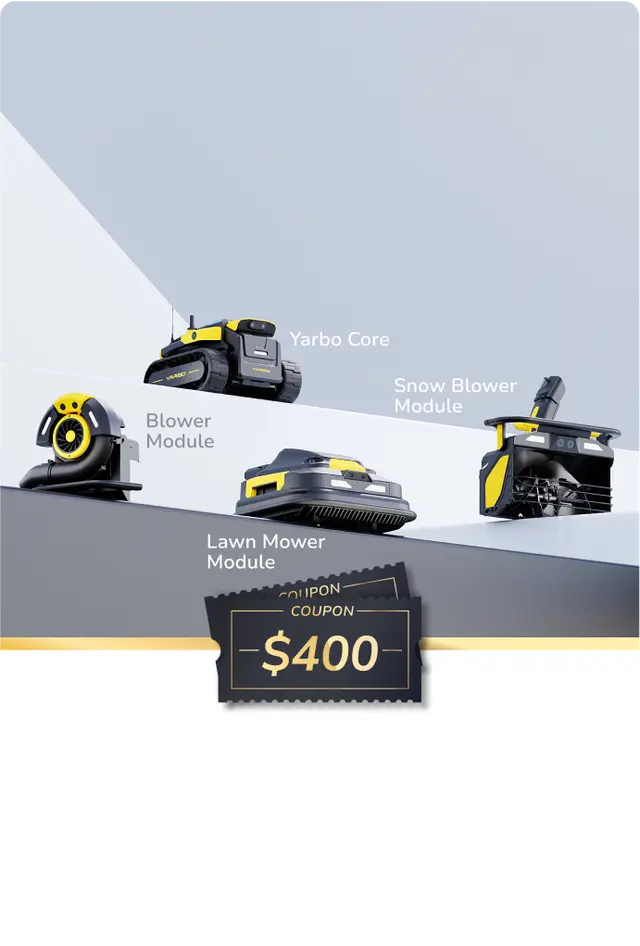
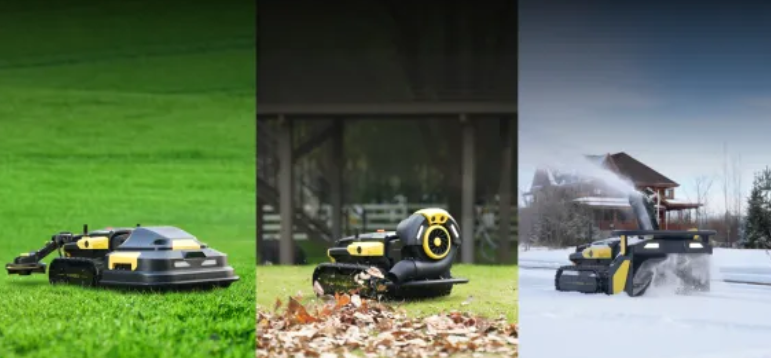
| Modularity | Switch between lawn care, snow blowing, or sweeping seamlessly—all on the same heavy-duty platform. |
| Build Quality | Rugged, low center-of-gravity build with torsion-flex frame ensures clean cuts and stability on rough ground. |
Yarbo Product Highlights
-
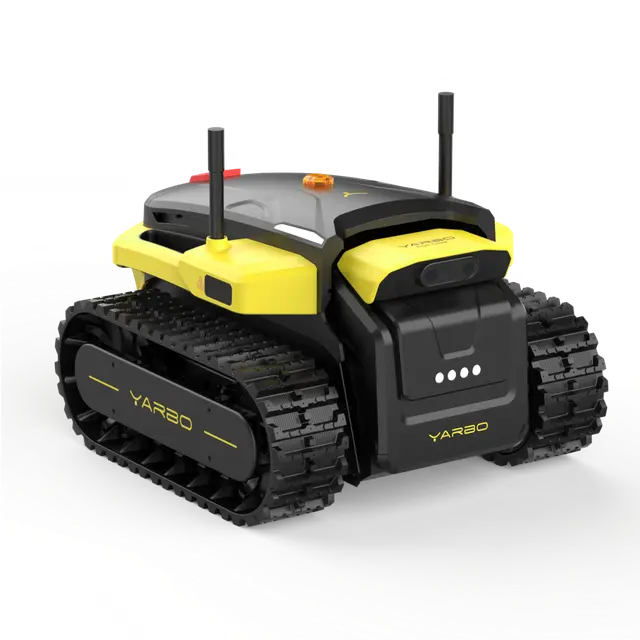
Yarbo Core + Lawn Mower Module: Covers up to 6 acres, climbs slopes up to 35°, features wide 20-inch cutting width, and offers adjustable cutting heights from 1.2–4 inches. Equipped with multi-sensory navigation (RTK GPS, vision, IMU, ODOM) and obstacle avoidance via binocular camera, ultrasonic radar, and bumpers.
-
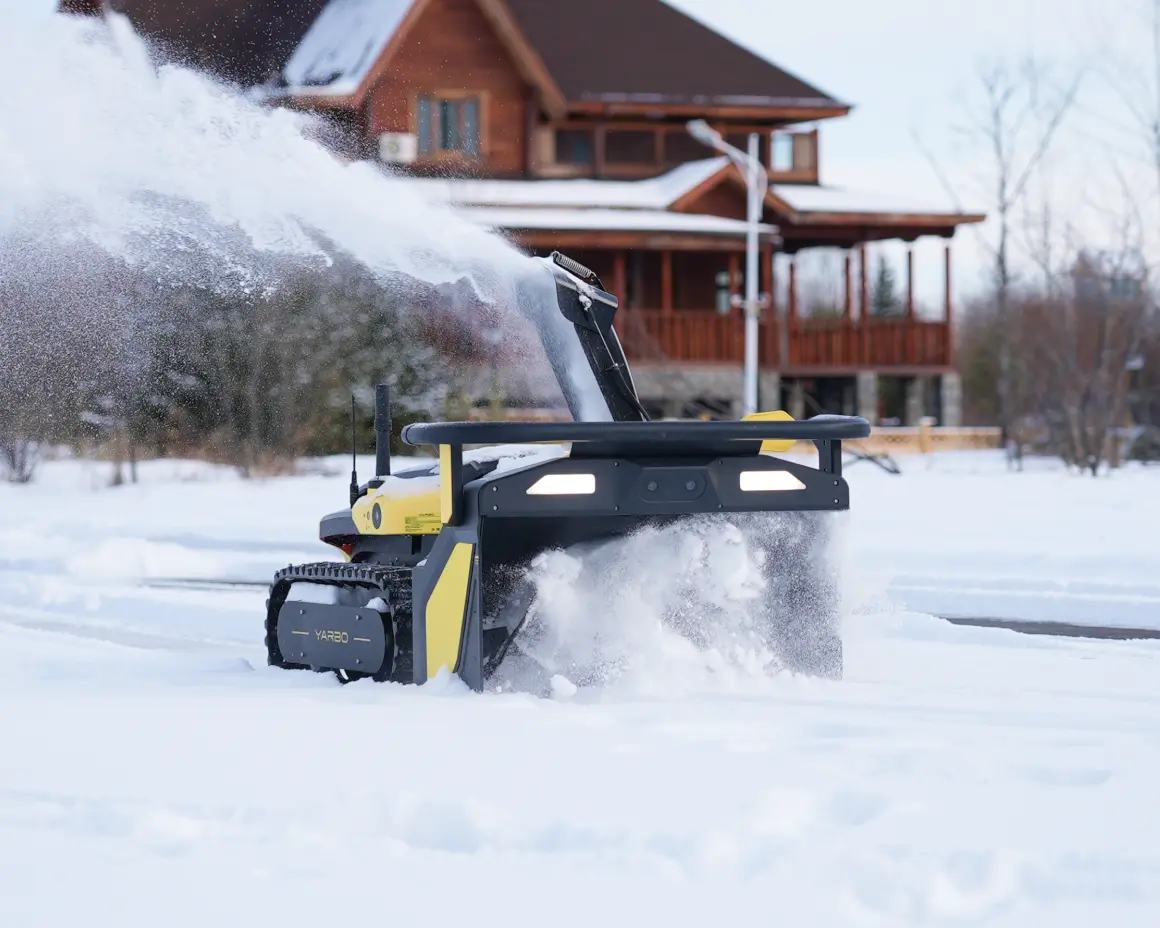
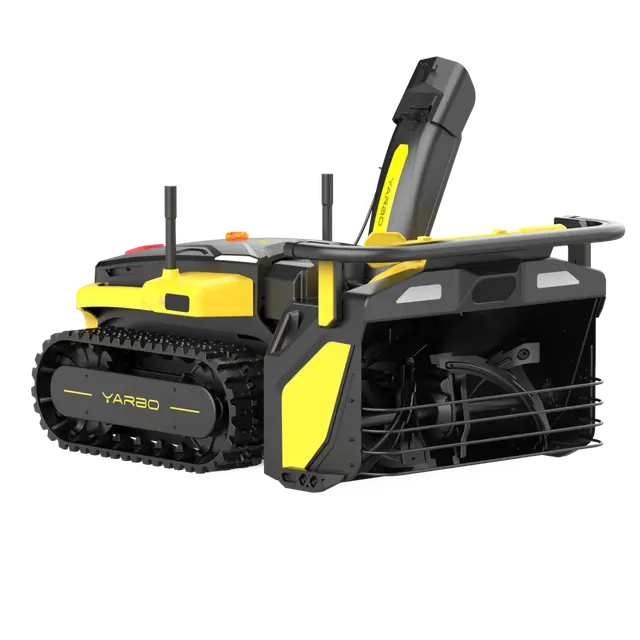
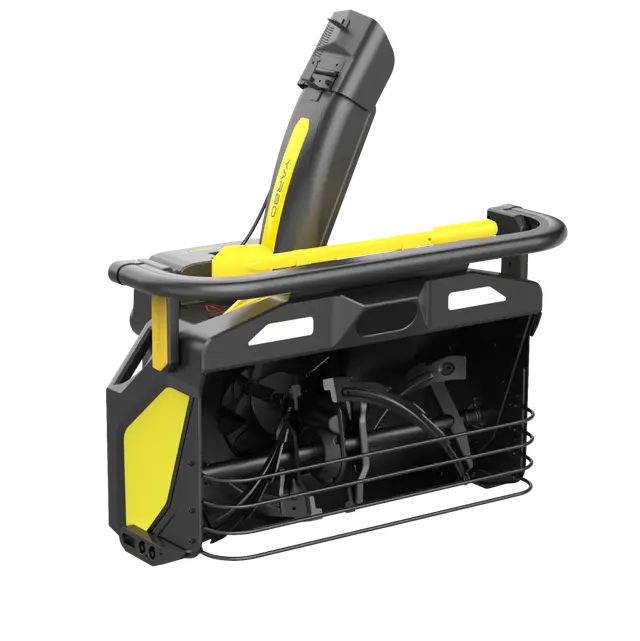
Modular Attachments: Expand function beyond mowing—use snow blower and trimmer/edger modules for year-round yard maintenance.
-
Eco-Conscious Design: Incorporates Animal-Friendly Mode with AI-powered detection to stop for pets and wildlife, low-compaction tires, waterproofing (IPX5), efficient charging, and long lifespan for sustainability
Best Robot Grass Mower for Slopes
Several robotic mowers are designed specifically for hilly terrains:
-
Why Yarbo Is the Best Robot Grass Mower for Sloped Lawns?
If your property has challenging elevation or terrain that deters traditional robotic mowers, Yarbo is an ideal choice.
-
Husqvarna Automower 435X AWD: All-wheel drive model capable of handling 70% slopes, equipped with GPS navigation and weather resistance .
-
Ambrogio L85 Elite: Designed for complex gardens, it manages slopes up to 55%, featuring advanced navigation systems.
-
Honda Miimo HRM520: Handles slopes up to 58%, with smooth turning and efficient mowing patterns.
-
EcoFlow Blade: Manages slopes up to 27 degrees, offering GPS navigation and obstacle avoidance.
When selecting a mower with the question can robot mowers do hills, consider the maximum slope of your lawn and choose a model that exceeds this gradient for reliable operation.
Cost vs. Benefit Analysis
Investing in a robotic mower for a sloped lawn involves weighing costs against benefits:
-
Initial Investment: High-performance models suitable for slopes are more expensive.
-
Labor Savings: Reduces the need for manual mowing, saving time and effort.
-
Lawn Health: Regular mowing promotes healthier grass growth.
-
Safety: Minimizes the risk associated with manual mowing on steep slopes.
While the upfront cost is higher, the long-term benefits often justify the investment for homeowners with challenging terrains investing in the best robot grass mower is essential.
Installation Tips for Sloped Lawns
When it comes to maximizing the performance of a robot lawn mower on sloped terrain, proper installation is non-negotiable.
Slopes add complexity to mowing patterns, traction, and maneuverability, which is why thoughtful setup is critical. Below are the essential best practices to ensure your robotic mower—especially slope-capable models like Yarbo—functions optimally and safely on hills.
Boundary Wires: Anchor Before the Ascent
The most common pitfall when installing a robotic mower on a slope is improper boundary wire placement. To avoid the risk of your mower overshooting or getting stuck at the edge of an incline, always lay the boundary wire on flat ground before the slope begins.
This buffer zone ensures that the mower detects the boundary in time to stop or turn around, especially when descending. For steep slopes, extending the flat buffer space can further enhance safety.
Guide Wires: Diagonal Placement Enhances Control
Guide wires act like a GPS shortcut for your mower, helping it navigate more efficiently to and from the charging station and through complex yard sections. On sloped lawns, these should be installed diagonally across the slope, not vertically or horizontally. This strategic positioning does two things:
-
It reduces turf wear caused by repeated vertical climbs or descents.
-
It aids the mower in following a more natural, curved path, improving grip and reducing mechanical strain on the wheels or tracks.
Charging Station Placement: Keep It Level
Even the most advanced robotic mowers—including the Yarbo, with its RTK-GPS navigation—require a level surface to dock correctly.
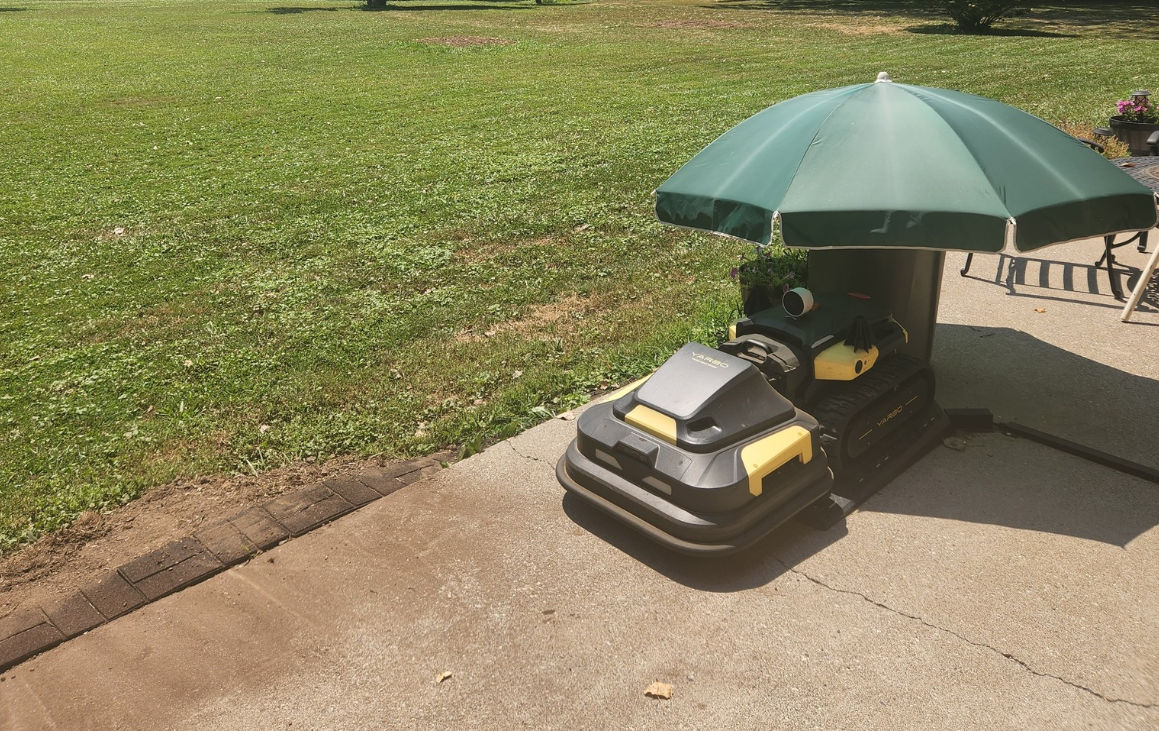
The charging station should always be placed on flat, stable ground, preferably in an area with easy access to both the base and the main mowing zone. If the docking station is even slightly tilted, the mower may struggle to connect properly, leading to inconsistent charging and unnecessary wear on the docking mechanism.
Obstacle Management: Clear the Path
Before letting your mower tackle a slope, walk the terrain and inspect it for potential hazards. Even small rocks, branches, or divots can cause robotic mowers to lose traction or become unbalanced. On hills, the margin for error is smaller, so a clear and obstacle-free path is even more crucial than on flat lawns. This not only ensures smooth movement but also protects both your lawn and the mower’s undercarriage.
Additionally, if your yard includes permanent features like trees or statues, use physical barriers or software-defined "no-go zones" (a feature available in models like Yarbo) to prevent unintended collisions or erratic movement.
Following manufacturer guidelines during installation enhances the mower's performance and longevity.
Maintenance for Optimal Performance
Regular maintenance ensures your robotic mower operates efficiently on slopes:
-
Wheel Cleaning: Remove grass clippings and debris to maintain traction .
-
Blade Inspection: Check and replace blades as needed for consistent cutting.
-
Software Updates: Keep the mower's firmware up to date for improved navigation and performance.
-
Battery Care: Monitor battery health and replace when necessary to maintain power on inclines.
Adhering to a maintenance schedule prevents issues and extends the mower's service life.
Safety Considerations
Operating robotic mowers on slopes requires attention to safety:
-
Avoid Wet Conditions: Mowing on wet grass increases the risk of slipping and turf damage.
-
Monitor Performance: Observe the mower during initial runs to ensure it handles the slope without issues.
-
Use Terrain Kits: Equip mowers with terrain kits for better grip on steep inclines .
-
Install Bumpers: Add bumpers or guards to prevent the mower from overrunning boundaries on downhill paths.
Implementing these measures promotes safe and effective mowing on hilly terrains.
Conclusion
If your lawn includes hills, rough terrain, or requires large-area coverage, you are wondering do robot mowers work on hills? Yarbo delivers unmatched strength, safety, and performance and is one of the best best robot grass mowers available in the market.

Its rugged, modular design—combined with smart AI and eco-friendly sensibility—makes it the top choice for challenging landscapes and conscious gardeners.
FAQs
Q1: Why does Yarbo perform better on hills?
Its heavy-duty tires, dual-track drive system, and smart navigation (RTK-GPS + ultrasound cameras + vision) ensure excellent traction, balance, and adaptability.
Its heavy-duty tires, dual-track drive system, and smart navigation (RTK-GPS + ultrasound cameras + vision) ensure excellent traction, balance, and adaptability.
Q2: What is the maximum slope a robot lawn mower can handle?
Most models handle 25–30%, but some lean toward 60–70%. Yarbo handles up to 70% gradient—nearly 34°.
Most models handle 25–30%, but some lean toward 60–70%. Yarbo handles up to 70% gradient—nearly 34°.
Q3: Can Yarbo multitask beyond mowing?
Yes—Yarbo is more than just a mower. Its modular design allows it to transform into a snow blower, leaf blower, or trimmer/edger, making it a true year-round yard assistant.
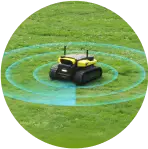
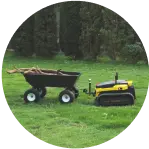
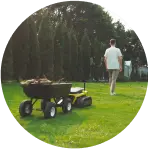
Even without swapping modules, the Yarbo Core itself comes packed with built-in functions, including:
-
Tow Mode – haul carts, trailers, or lawn tools with ease.
-
Trailer Moving Mode – effortlessly move trailers loaded with heavy items.
-
Follow Me Mode – autonomously follow you to carry tools or supplies.
-
Patrol Mode – provide 24/7 yard monitoring for added security.
-
Teleoperation Mode – remote control with live safety alerts.
-
Voice Interaction – enjoy hands-free operation using simple voice commands.
In short, Yarbo isn’t just about cutting grass—it’s a versatile, intelligent yard companion built to handle multiple tasks across all seasons.
Q4: Is Yarbo safe around animals?
Absolutely. Its Animal-Friendly Mode detects pets, wildlife, and even kids, pausing operation to prevent accidents.
Absolutely. Its Animal-Friendly Mode detects pets, wildlife, and even kids, pausing operation to prevent accidents.
Q5: What yard size is Yarbo built for?
Thanks to its long battery life and performance, Yarbo expertly handles lawns up to 6 acres.
Thanks to its long battery life and performance, Yarbo expertly handles lawns up to 6 acres.
-7.png?w=1001&h=621)
 Private group · 33.0K members