.png?w=1280&h=720)
When it comes to lawn care, the awd lawn mower or lawn mower awd stands out as a premium choice for homeowners who want performance and reliability. Unlike traditional front-wheel drive (FWD) or rear-wheel drive (RWD) mowers, an AWD lawn mower powers all four wheels simultaneously. This makes it ideal for uneven yards, hilly landscapes, or damp ground where traction is often an issue.
Think of it like comparing a two-wheel drive car to a four-wheel drive SUV. While both can get you from point A to B, the AWD option gives you greater control, especially on rough or unpredictable terrain. For homeowners who want a clean, professional-looking lawn without constant effort, an AWD mower can be the ultimate solution.
Table of Contents:
Why Choose an AWD Lawn Mower Over Other Types?
The decision to invest in an AWD mower depends on your yard’s challenges. While FWD and RWD models work well for small, flat lawns, they can struggle when conditions become demanding. AWD mowers, on the other hand, shine in situations where grip and control are critical.
Who Needs an AWD Lawn Mower?
If your yard matches any of the following conditions, you’ll benefit from an AWD mower:
-
You have hills or slopes in your yard
-
Your lawn often stays wet or muddy
-
You mow a large area and need efficiency
-
You want stable traction for safety and consistency
AWD mowers are ideal for homeowners with large properties, landscapers, and those living in hilly or rainy regions.
AWD vs FWD vs RWD Lawn Mowers
-
FWD (Front-Wheel Drive): Best for small, flat yards. Lightweight and affordable, but lacks traction on slopes.
-
RWD (Rear-Wheel Drive): Handles better on uneven terrain than FWD, especially when using a bagging attachment. However, it can slip on wet or steep grass.
-
AWD (All-Wheel Drive): Provides consistent traction by powering all wheels. Perfect for large, sloped, or mixed-terrain lawns where other models may struggle.
If your yard combines hills, dips, and heavy grass growth, an AWD mower saves you energy and frustration.
| Feature | AWD | FWD | RWD |
| Traction | Excellent | Limited on slopes | Better than FWD, less than AWD |
| Terrain Suitability | Hilly, uneven, wet | Flat surfaces only | Moderate slopes |
| Price | Higher | Lower | Moderate |
| Mower Control | Best overall | Easiest to maneuver | Moderate |
Key Advantages of All Wheel Drive Systems
-
Superior Traction: Handles slopes, wet areas, and thick patches of grass effortlessly.
-
Reduced Effort: Less physical pushing needed—ideal for homeowners who want easier mowing.
-
Versatility: Works well across flat, sloped, and rugged lawns.
-
Cleaner Cuts: Consistent traction keeps blades running evenly across the surface.
-
Long-Term Durability: Designed to withstand demanding conditions, making it a long-term investment.
How Does an All Wheel Drive Lawn Mower Work?
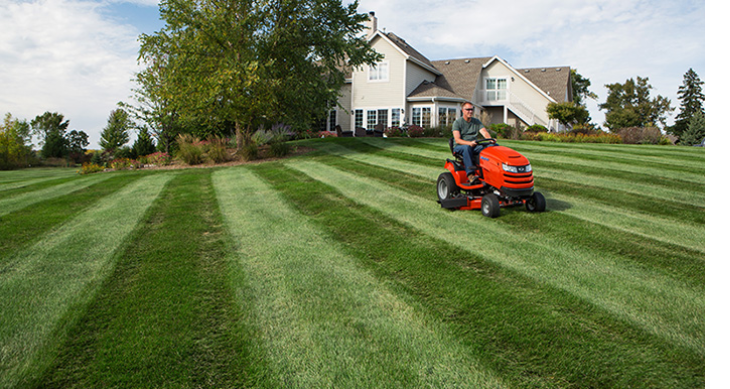
AWD mowers use an advanced power distribution system that directs torque to all four wheels simultaneously. Unlike traditional drive systems, which rely only on front or rear wheels, AWD ensures balanced movement across the mower.
The Role of Power Distribution
-
Power is split evenly among all wheels.
-
Reduces slippage when climbing or descending slopes.
-
Enhances maneuverability when turning in tight spaces.
Features to Look for in an AWD Lawn Mower
Choosing the right lawn mower awd isn’t just about picking the first model you see in a store. Like any long-term investment, you need to evaluate specific features that determine performance, comfort, and durability.
Engine Power and Cutting Width
A powerful engine paired with an adequate cutting width ensures efficiency. For medium lawns, a 21-inch cutting deck is standard, but for large yards, wider decks (up to 30 inches) save time. The engine should deliver smooth torque, especially when powering all four wheels simultaneously.
Adjustable Cutting Heights
Grass grows differently depending on season, soil type, and maintenance. An AWD mower with multiple height adjustments (usually 1–4 inches) lets you fine-tune cutting to avoid scalping your lawn while still achieving a clean look.
Mulching, Bagging, and Side Discharge Options
Versatility in clipping management is a must. Mulching returns nutrients to the soil, bagging keeps lawns tidy, and side discharge is ideal for fast mowing when you don’t have time to collect clippings. A premium AWD mower should offer all three functions.
Best Situations to Use an AWD Lawn Mower
While any lawn can benefit from AWD, certain conditions make these machines invaluable.
Slopes and Uneven Yards
If your property has rolling hills or steep sections, an AWD mower prevents slipping and gives you full control.
Wet or Muddy Lawns
After rainfall, pushing a standard mower can be exhausting. AWD keeps you moving without bogging down.
Large Yards with Mixed Terrain
For yards that combine flat areas, dips, and slopes, AWD provides the versatility to handle everything in one go.
Popular AWD Lawn Mower Brands and Models
Several brands lead the market in AWD lawn mower technology, each offering unique benefits.
Husqvarna
Husqvarna AWD mowers are known for their rugged design and powerful engines. They handle slopes with ease and often come with advanced features like ergonomic handles and adjustable speed.
-
Self-leveling AWD system
-
Designed for extreme slopes and wet areas
-
GPS-assisted navigation
Drawback: Limited to robotic setup; more suitable for tech-savvy users.
Mammotion LUBA AWD
Fully robotic with AI-powered navigation
-
Handles slopes up to 80%
-
No perimeter wire needed
-
Quiet operation and app control
Drawback: Higher learning curve and price tag.
Toro
Toro’s AWD lawn mowers are user-friendly and designed for precision. Many models include personal pace technology, which adapts to your walking speed for maximum comfort.
-
Durable gas-powered mowers with AWD
-
Personal pace system for better user control
-
Ideal for rugged lawn conditions
Drawback: Less automation than robotic models.
Honda
Honda AWD mowers are built for efficiency and longevity. Their twin-blade cutting system delivers a finer cut, while their engines are recognized for smooth starts and low emissions.
Whether you’re a homeowner with a sloped backyard or a landscaper managing multiple lawns, AWD lawn mowers powerful enough to make your mowing such lawns and properties easier for you.
-
Higher Price Point: Honda AWD models are generally more expensive than competitors in the same category.
-
Heavier Build: Their robust construction makes them slightly heavier, which may reduce maneuverability for some users.
-
Limited Availability: Fewer AWD options compared to brands like Husqvarna or Toro, which may limit choices for buyers.
-
Maintenance Costs: Replacement parts and servicing can be more expensive due to Honda’s premium branding.
Comparing AWD Lawn Mowers with Professional Lawn Services
Here’s where many homeowners hesitate—should you buy an AWD mower or simply pay for professional lawn care services?
-
Cost Over Time: Hiring a professional may cost $40–$60 per session. Over a season, that adds up to hundreds of dollars. In contrast, a one-time AWD mower purchase (typically $600–$1,200) pays for itself in just a few seasons.
-
Convenience: Professionals save you time, but owning an AWD mower means independence. You decide when and how to mow without scheduling delays.
-
Customization: AWD mowers allow you to mulch, bag, or discharge clippings exactly how you want, something lawn services may not prioritize.
-
Investment: A quality AWD mower can last 8–12 years with proper care, while professional services require ongoing payments forever.
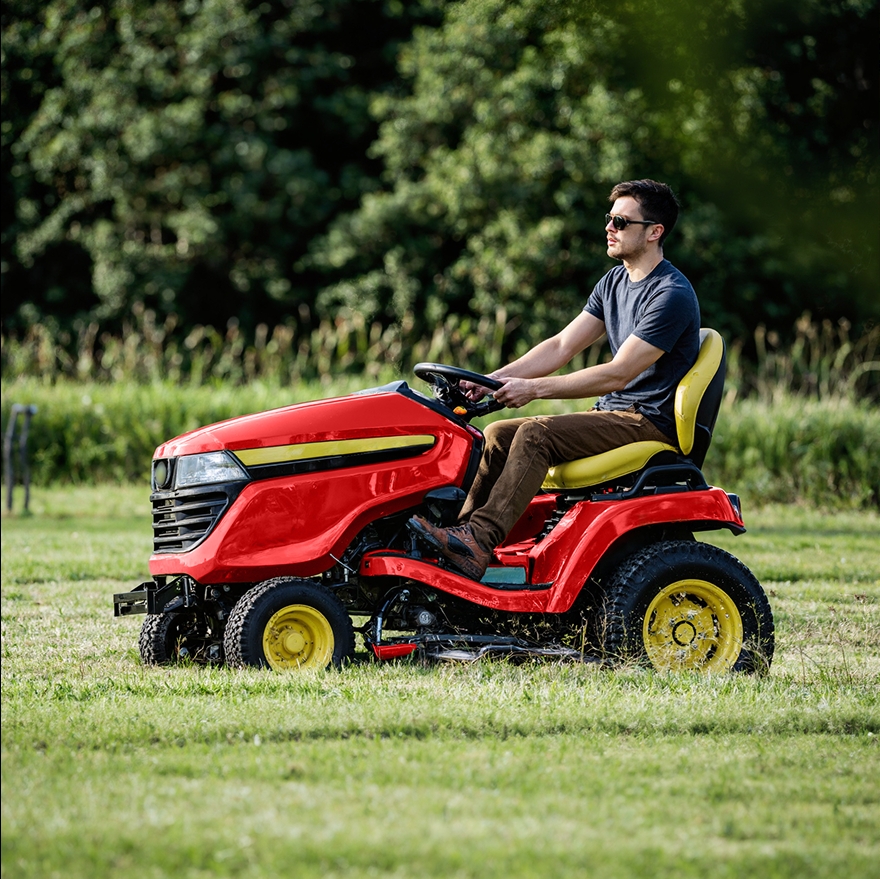
For homeowners with challenging yards, an AWD mower offers better long-term value while still providing professional-looking results.
Maintenance Tips for AWD Lawn Mowers
Like any powerful machine, an all wheel drive lawn mower requires routine maintenance to keep it running smoothly. Proper care not only extends the mower’s life but also ensures that it consistently delivers the performance you expect.
Blade Sharpening
A dull blade tears grass rather than slicing it cleanly. This leads to brown tips, increased vulnerability to disease, and a rough-looking lawn. Sharpen blades every 20–25 hours of use, or at least once per mowing season.
-
Pro Tip: Always balance the blade after sharpening to prevent vibration and uneven cuts.
Oil Changes and Air Filters
The engine is the heart of your AWD mower. Dirty oil and clogged air filters can drastically reduce performance.
-
Change the oil every 25 hours of operation or once per season.
-
Replace or clean the air filter regularly to maintain smooth airflow and efficient combustion.
Winter Storage
When the mowing season ends, prepare your AWD mower for storage. Drain the fuel tank or add a stabilizer, clean the deck to prevent rust, and store it in a dry, sheltered place. Covering it helps protect sensitive components from dust and moisture.
By following these practices, you’ll reduce repair costs and maximize the mower’s lifespan.
Cost of All Wheel Drive Lawn Mowers
The price of an AWD lawn mower varies depending on brand, size, and features, but it’s essential to think beyond just the initial purchase.
Initial Investment
Most AWD mowers fall within the $600–$1,200 range, though premium models with advanced features may cost more. While this is higher than standard FWD or RWD mowers, the added versatility justifies the expense.
Long-Term Value
Here’s why AWD mowers make financial sense:
-
Reduced Lawn Service Costs: Owning an AWD mower can save $1,000+ annually compared to professional lawn care.
-
Durability: With proper maintenance, AWD models last over a decade.
-
Efficiency Gains: Less time spent mowing means more free weekends—an underrated value.
In the long run, AWD lawn mowers pay for themselves by combining cost savings, performance, and durability.
Conclusion
An all wheel drive lawn mower is more than just another yard tool—it’s a long-term investment in efficiency, performance, and convenience. From handling slopes and wet patches to delivering professional-level cuts, AWD mowers simplify lawn care for homeowners with challenging landscapes.
While the upfront cost may be higher, the durability, savings on professional services, and versatility of AWD technology make it an intelligent choice. If your lawn presents obstacles that standard mowers can’t handle, stepping up to an AWD model could transform mowing from a chore into a smooth, reliable experience.
For buyers seeking reliability and control, brands like Husqvarna, Craftsman, Toro, and Honda offer some of the best AWD lawn mowers available today.
FAQs
1. What is the main benefit of an AWD lawn mower?
The biggest advantage is traction and control. AWD mowers excel on slopes, uneven terrain, and wet grass where other models struggle.
2. Are AWD lawn mowers worth the extra cost?
Yes—if you have a hilly, large, or challenging yard. For flat, small lawns, an FWD or RWD mower may be sufficient.
3. Do AWD lawn mowers require more maintenance?
Not necessarily. Maintenance is similar to other gas-powered mowers—blade sharpening, oil changes, and storage preparation. The AWD system itself is designed to be durable.
4. Can AWD mowers handle very steep hills?
Yes, they are built to climb and descend slopes safely. However, for extremely steep terrain, riding mowers or specialized slope mowers may be safer.
5. Are AWD mowers available in electric models?
Currently, most AWD lawn mowers are gas-powered due to the power required to drive all four wheels. Some brands are introducing battery options, but they’re still limited.
6. How heavy are AWD lawn mowers compared to others?
They are slightly heavier than FWD or RWD models, but self-propulsion and traction balance this out, making them easier to maneuver than you’d expect.
-7.png?w=1001&h=621)
 Private group · 33.0K members