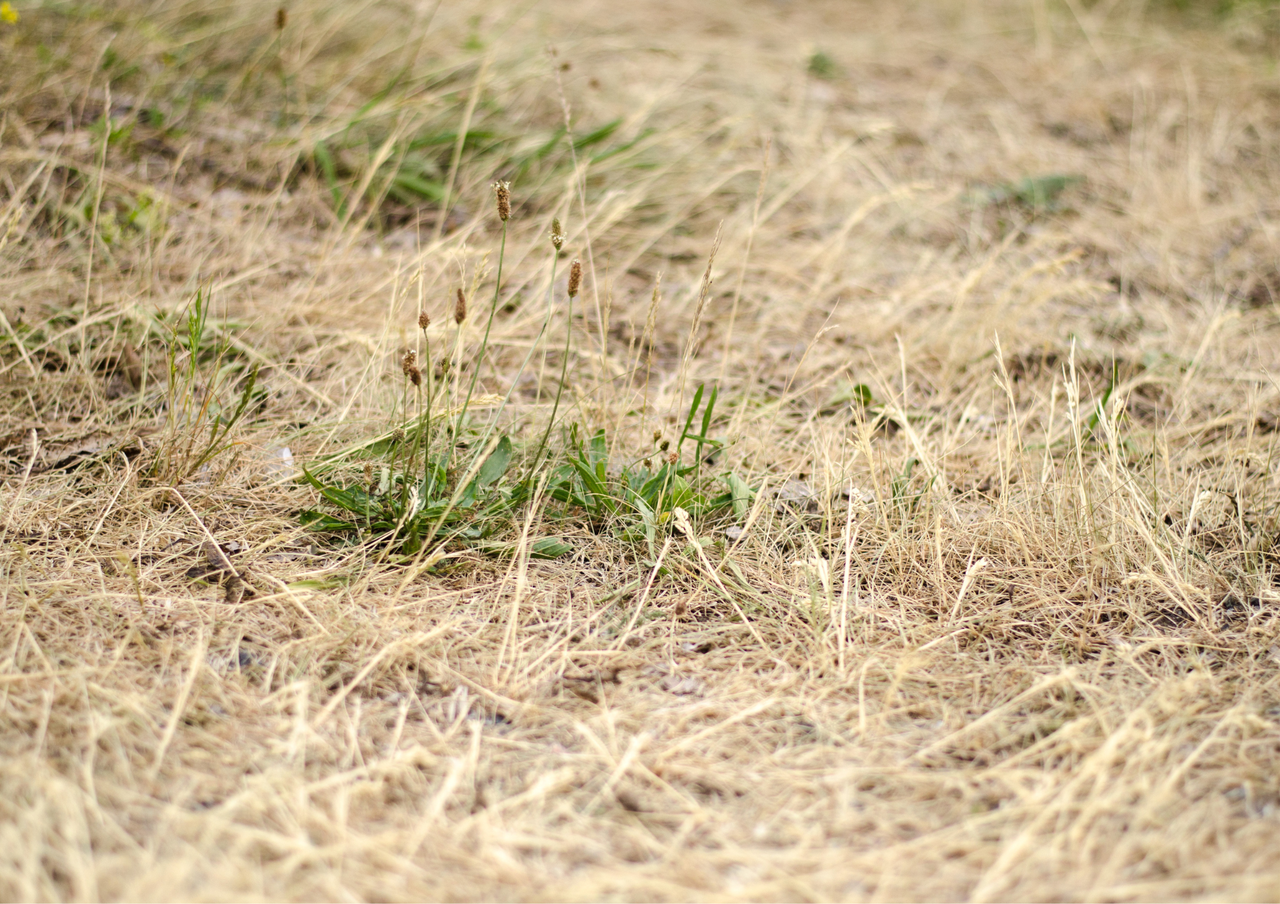
Nothing kills your pride as a homeowner like a lawn that was once green, now pockmarked with brown patches and brittle, dead grass blades. You may have tried watering more, mowing less, or fertilizing indiscriminately — but the results stayed stubborn. In this definitive guide, you’ll learn exactly how to remove dead grass and revive your lawn using proven steps, so your yard can look vibrant again.
By the end of this guide, you’ll know how to diagnose your turf, treat it properly, and maintain it for long-term success — not just a temporary green patch.
Why Grass Dies: Dormant vs. Dead?
Before you start tearing up your lawn, it’s critical to know whether the grass is truly dead or just in dormancy. Many lawns look brown when they are stressed or dormant, not permanently gone. According to LawnStarter, the “tug test” is a simple but powerful diagnostic: if the blades resist pull, roots may still be alive — it’s dormant; if it lifts easily, it may be dead.
Dormant Grass
-
Semi-brown, but roots intact
-
Crowns (near soil surface) look firm and whitish
-
Will green back when conditions improve
Dead Grass
-
Brown, dry, brittle
-
Roots shriveled or nonexistent
-
No potential for regrowth — must reseed or sod
Many lawns that appear lifeless are just in dormancy and can recover if treated correctly.
What Causes Dead Grass in Lawns?
Understanding why your grass died helps you prevent recurrence. Below are frequent causes:
-
Soil Compaction & Thatch — When soil is dense or layered with dead organic buildup, roots can’t breathe.
-
Diseases & Fungi — Diseases like necrotic ring spot or dollar spot attack grass crowns and roots.
-
Pests & Grubs — White grubs eat roots underground, causing patches that peel up like carpet.
-
Drought & Heat Stress — Extended dry spells strip moisture faster than your lawn can recover.
-
Mowing Mistakes — Scalping (cutting too short) or dull mower blades stress and kill grass.
-
Soil Nutrient Imbalance / pH Issues — If your soil is too acidic/alkaline, nutrients can’t absorb properly.
By identifying the root cause(s), you not only revive what's lost but also prevent future damage.
When & Why to Remove Dead Grass?
Leaving dead grass (thatch, debris, old roots) in place blocks soil-to-root contact, chokes new growth, and invites pests or disease. Before reseeding, removal ensures:
-
Better seed-to-soil contact
-
Improved air & water flow
-
Faster rooting for new grass
-
Clear view of soil problems
In short: you must remove the dead layer for new life to take hold.
Tools & Materials You’ll Need
Here’s a smart checklist:
| Purpose | Tool / Material | Notes |
| Remove dead turf/thatch | Dethatching rake, power dethatcher, sod cutter | Use manual for small yards, mechanical for large |
| Loosen soil | Core aerator, spike aerator, tiller | Core preferred vs. simple spiking |
| Amend soil | Compost, topsoil, gypsum, lime | Based on soil test |
| Seed / Sod | High-quality grass seed, patch mix, fresh sod | Match to climate / region |
| Fertilizer | Starter fertilizer, slow-release blend | Balanced N-P-K, micronutrients |
| Watering | Sprinklers, hose, irrigation controller | Follow a schedule for watering or use a smart irrigation system to water your lawn. |
| Measuring | Tape, soil probe, pH meter | For area, depth, consistency |
Having the right tools saves time and improves results.
How to Remove Dead Grass from Lawn Manually?
Step 1: Remove the Dead Grass (Raking, Dethatching, Sod Removal)
Raking / Dethatching
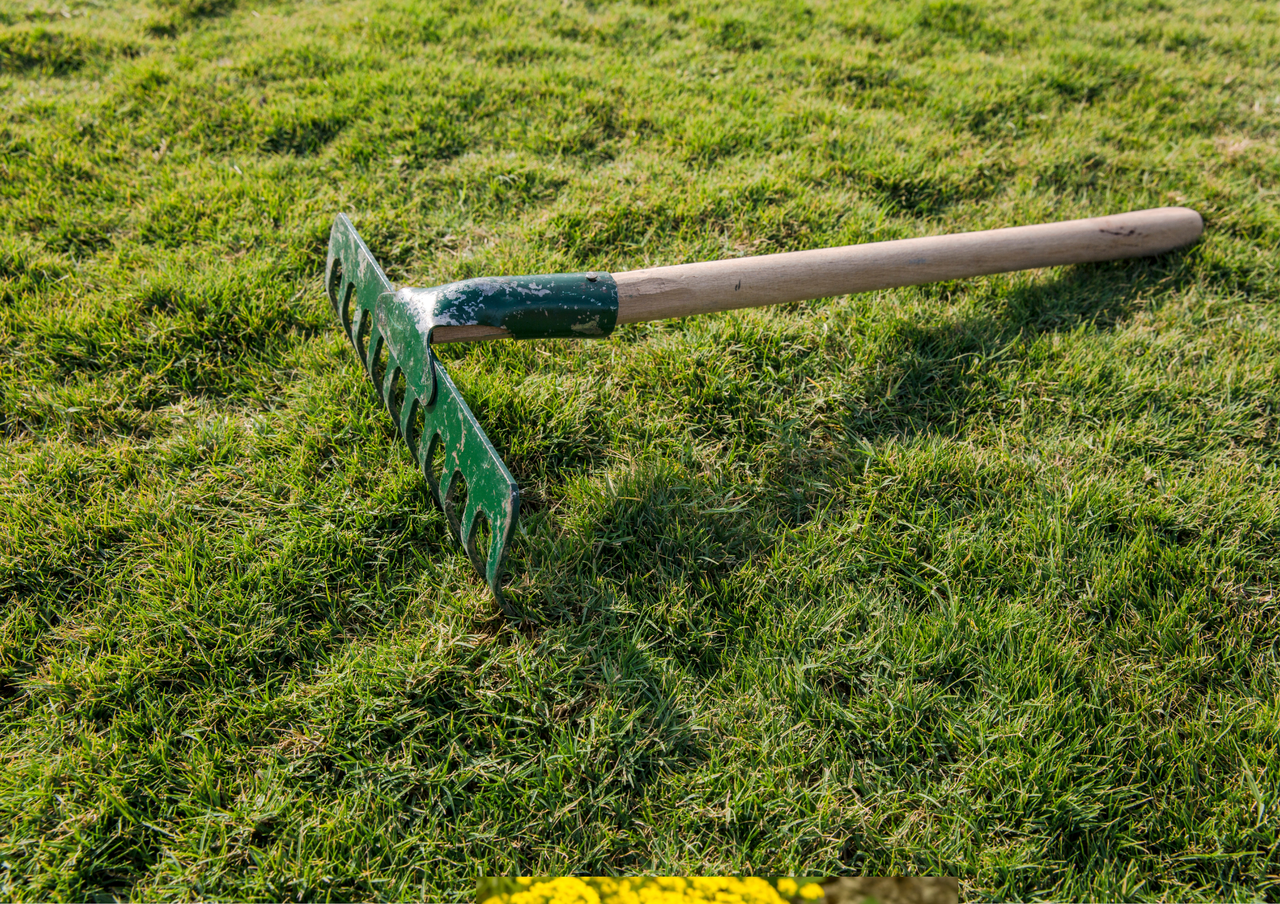
Begin by raking out dead blades and debris using a dethatching rake. For lawns with thick thatch (over ½ inch), use a vertical mower or power dethatcher to pull up the mat.
Sod Removal (for severely damaged areas)
Where patches are completely lifeless, cut the turf with a sod cutter (or by hand) and remove it. The goal is a clean bed down to bare soil. This method is recommended by This Old House when large sections must be replaced rather than repaired.
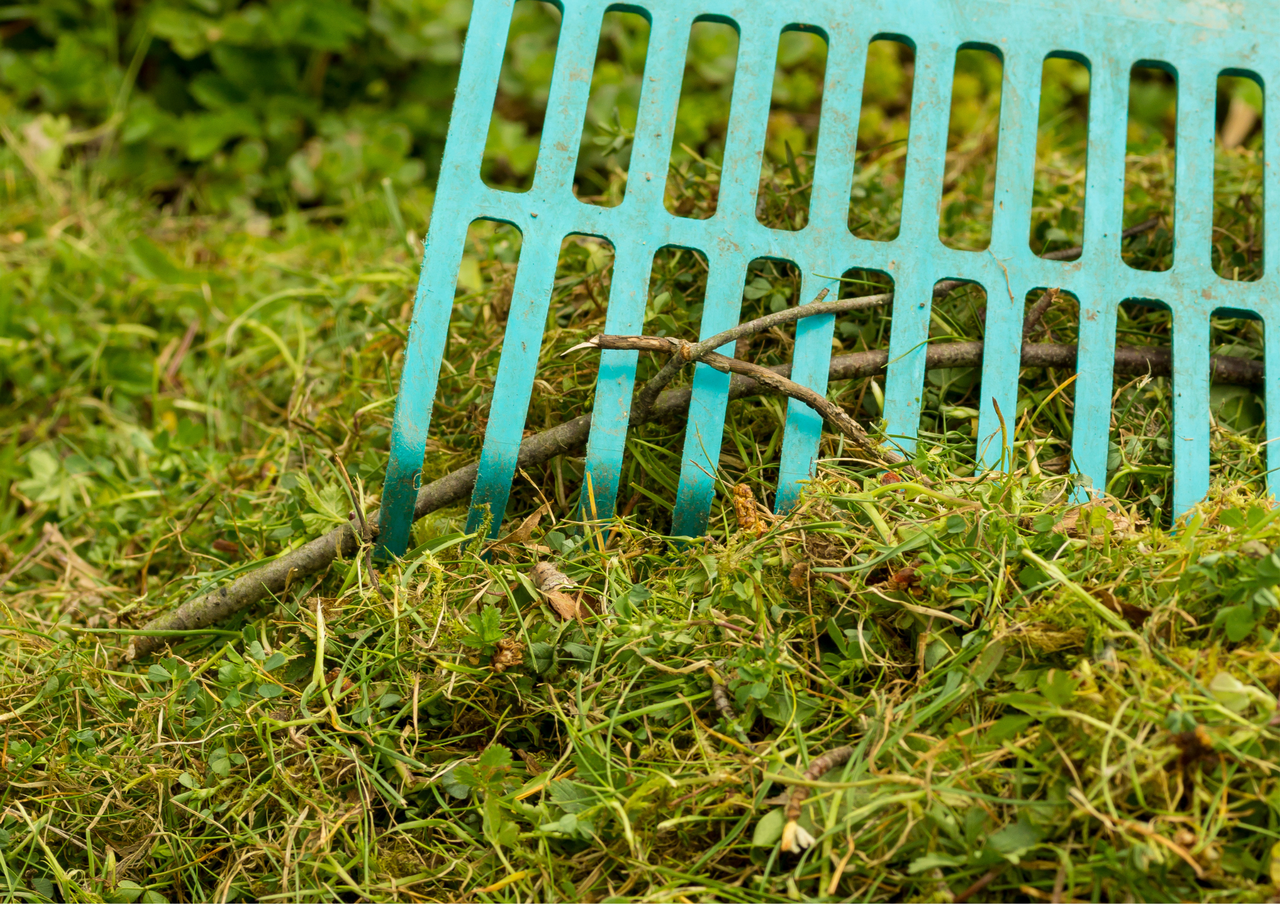
After removal, bag or compost the waste. Avoid dumping on the lawn; keep the soil surface clean.
Step 2: Soil Loosening & Aeration
Dead grass is often a symptom of compaction. Loosen compacted soil to help new roots push downward.
-
Core aeration: Remove small plugs about 2–3″ deep.
-
Spike or tine aerators: Simpler, but less effective in compacted zones.
-
Tilling (for extreme cases): Rotate the top 2–4 inches, especially when establishing sod. This is recommended by This Old House in serious rejuvenation tasks.
Combine loosening with dethatching for vertical and horizontal relief.
Step 3: Soil Test & Amendments
A healthy lawn begins with healthy soil. Use a soil test kit or send samples to a lab. Test for:
-
pH (acidic or alkaline)
-
Nutrient levels (N, P, K, micronutrients)
-
Organic matter content
Based on results, amend soil:
-
Lime or sulfur to adjust pH
-
Compost / topsoil to improve structure
-
Gypsum (for clay soils) to reduce compaction
Topdress the area with a thin layer (¼–½ inch) of compost or loamy soil to enrich the seed bed.
Step 4: Seeding or Sod
Once the soil is ready:
Choosing Seed or Sod
-
Seed is cheaper and effective for smaller patches
-
Sod gives instant cover and uniform results
-
Use a patch mix matched to your grass type
-
For large dead zones, full sod replacement may be more effective
Seeding Tips
-
Lightly rake seed into soil
-
Use recommended seed rates (e.g. 4–6 lbs per 1,000 sq ft)
-
Cover with a fine layer (¼ inch) of soil or compost
Sod Installation
-
Lay sod in a brick-like, staggered pattern
-
Butt edges tightly
-
Press lightly into soil to eliminate air gaps
Ensure seed or sod matches your climate (cool-season or warm-season grasses).
Step 5: Watering & Initial Care
This is critical for germination and early survival.
-
Water lightly and frequently to keep topsoil moist (but not soggy)
-
After 10–14 days, reduce frequency but increase depth
-
Avoid watering midday to minimize evaporation
Delay first mowing until grass reaches ~3 inches, and then mow no more than the top third.
Step 6: Fertilize & Feed
Once grass is established enough (usually after 3–4 mowings):
-
Apply a starter fertilizer with phosphorus to support root growth
-
Then switch to a balanced or slow-release fertilizer schedule
Avoid overfertilization, especially nitrogen spikes that stress young grass.
Step 7: Prevent Future Die-Off
Preventing recurrence is as important as recovery. Key maintenance:
-
Mow at proper height, never more than one-third of blade
-
Aerate annually (core preferred)
-
Dethatch if buildup over ½ inch
-
Monitor pests, grubs, and fungal diseases
-
Overseed thin spots yearly
-
Apply pre-emergent weed control (at safe times)
Quick Recovery Timeline & What to Expect
| Week | What You’ll See / Do | Notes |
| Week 1 | Seed germinates, surface looks rough | Be patient; avoid foot traffic |
| Week 2–3 | Grass blades appear, cover ~30–50% | Continue light watering |
| Week 4–6 | Thicker coverage, mow first time | Use sharp blade, mow high |
| Month 2–3 | Fuller turf, deeper roots | Begin regular maintenance |
| Month 4+ | Lawn approaching full recovery | Monitor, feed, prevent stress |
Best Way to Revive Dead Grass
Once the dead material is removed, it’s time to revive your lawn. Here's a proven strategy:
-
Reseed bald spots using quality grass seed.
-
Topdress with compost or loamy soil to enrich the area.
-
Water deeply but not too frequently — roots need oxygen too!
-
Apply a starter fertilizer to boost early growth.
The best way to revive dead grass is by combining good soil prep, regular watering, and smart fertilization.
Can a Lawn Mower Remove Dead Grass?
This is a popular question — and the answer is: partially, yes.
A lawn mower, especially one with a mulching blade or dethatching attachment, can help remove the top layer of dead grass, also known as thatch.
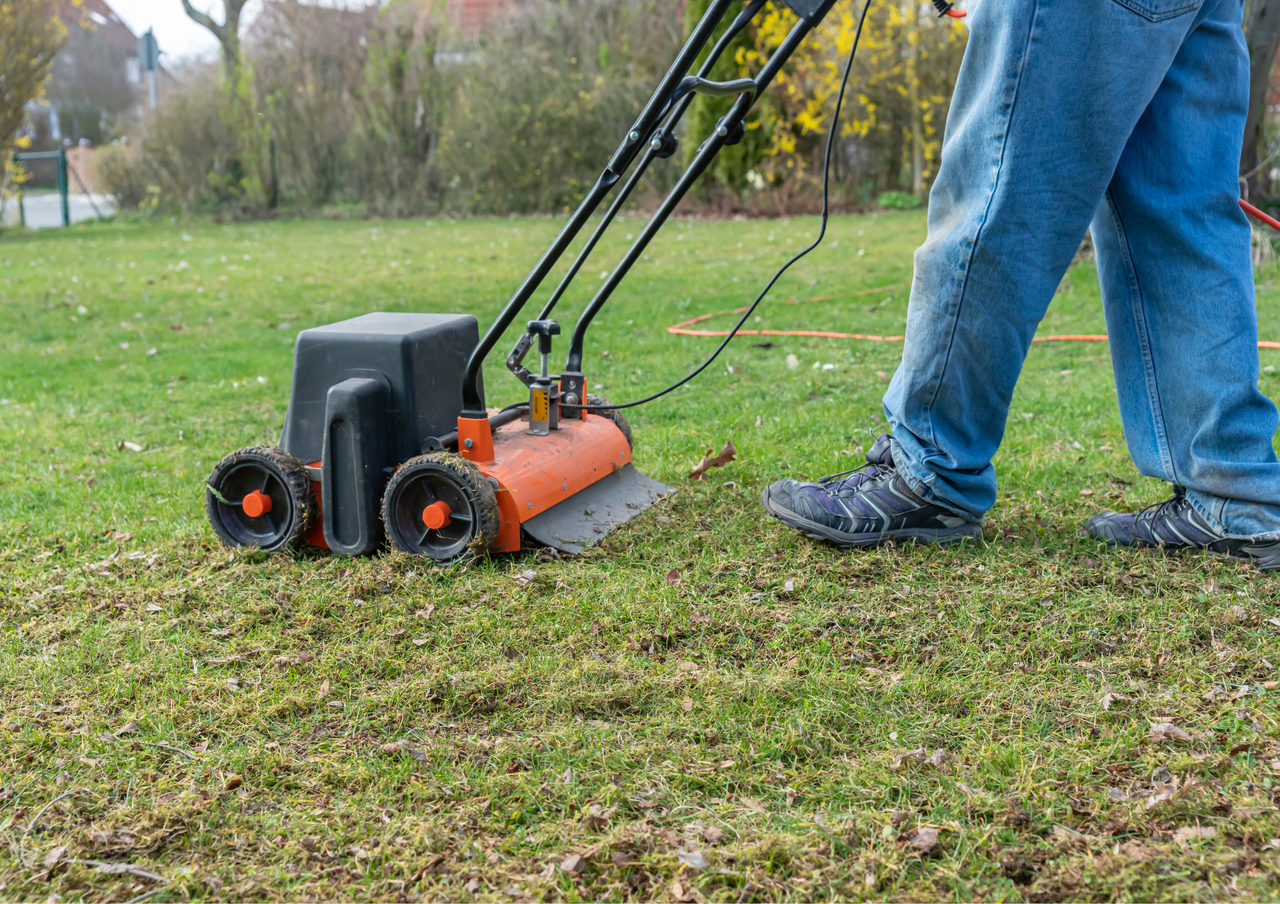
However, it won’t remove deep-rooted dead patches. For light cleanup, mowing helps. For deep treatment, you’ll need more effort.
When Is the Best Time to Treat Dead Grass?
Timing matters. The best seasons are:
-
Spring: Ideal for cool-season grasses.
-
Early Fall: Best for reseeding and root development.
Avoid summer revivals unless you’re prepared to water consistently, as heat stress can kill new seedlings.
DIY Remedies to Bring Grass Back to Life
Nature has your back. Try these:
-
Epsom salts: Sprinkle lightly to restore magnesium content in the soil, which is crucial for chlorophyll production and greener, more vibrant grass. It also helps strengthen the grassroots and improves overall nutrient absorption.
-
Compost tea: Soak compost in water and spray on grass, which helps boost beneficial microbes, improving soil structure, and enhancing nutrient availability to promote healthy grass growth.
-
Molasses: A light coat can feed soil microbes and boost microbial activity, leading to better soil fertility and stronger grass development over time.
They may not work miracles alone, but when paired with proper seeding, watering, and soil care, these natural remedies can give your lawn a gentle yet effective push toward recovery.
Tips to Prevent Grass from Dying Again
Now that your lawn is on the mend, keep it that way:
-
Avoid mowing too short (scalping)
-
Fertilize at the right time of year
-
Water early in the morning
-
Lawn Aerate once or twice a year
Healthy lawns are less prone to disease, pests, and drought.
Common Mistakes to Avoid During Lawn Repair
Even with the best intentions, it’s easy to mess up:
-
Using cheap or the wrong type of seed
-
Overwatering or underwatering
-
Fertilizing during heatwaves
-
Mowing too soon after seeding
Learn from others’ mistakes — not your own!
How Long Does It Take to Revive Dead Grass?
Patience is key. Most lawns take:
-
2-4 weeks for visible improvement
-
6-8 weeks for full coverage
-
2-3 months for deep root development
The worse the damage, the longer the recovery. Stay consistent and don’t skip watering.
Final Thoughts
A dead, patchy lawn doesn’t mean all hope is lost. With the structured approach above — diagnosing your situation, removing dead grass, amending soil, reseeding or laying sod, and maintaining properly — you can revive your yard into a thriving green space again.
Whether you’re relying on manual effort, exploring if your lawn mower can remove dead grass, or searching for the best way to revive dead grass, remember: a healthy lawn takes patience and a little love.
Give your lawn the care it deserves, and you’ll be rewarded with a green paradise right outside your door.
FAQs
1. Can I skip removing the dead grass and seed directly?
No — leftover dead matter blocks seed contact, water, and nutrients. Always remove or dethatch first.
2. How do I know if grass is dormant or dead?
Use the “tug test” — if roots hold soil, likely dormant. Also inspect the crown: firm and whitish suggests life.
3.When is the best time to repair a lawn?
Early fall or spring for cool-season grasses; late spring to early summer for warm-season. Avoid extreme heat or cold.
4.How much will this cost me?
Depends on yard size and materials. Manual tools are cheaper; hiring professionals or using full sod will raise cost.
5.How long until I see a lush lawn again?
Expect 2–4 weeks for visible growth, 6–8 weeks for coverage, and 3+ months for deep roots.
6.What if pests or disease return?
Use spot treatment, improve soil health, ensure drainage, and incorporate Yarbo’s alert features to catch early signs.
-7.png?w=1001&h=621)
 Private group · 33.0K members